

Principle and Working Scene Characteristics of Resin Powder Conveying System Equipment
Resin powder conveying systems are essential in industrial settings where the efficient and safe transport of resin powders is critical. These systems are designed to handle the unique challenges associated with resin powders, such as their fine particle size, potential for static electricity, and the need for precise control during transport. Understanding the underlying principles and typical working scenarios of these systems is vital for optimizing operations and ensuring compliance with safety standards.
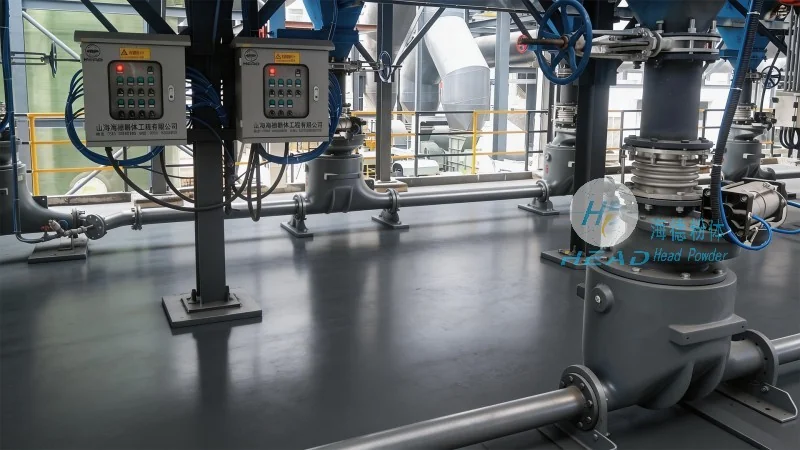
Core Principles of Resin Powder Conveying Systems
The fundamental principle of resin powder conveying systems revolves around the use of mechanical or pneumatic methods to move resin powders from one location to another. Mechanical systems often employ screw conveyors, belt conveyors, or vibratory conveyors, which rely on physical force to transport the material. Pneumatic systems, on the other hand, utilize compressed air to create a flow of resin powder through a pipeline. Both approaches aim to maintain the integrity of the resin powder, prevent clogging, and minimize dust generation—a critical factor in maintaining a safe working environment.
A key aspect of these systems is the management of static electricity. Resin powders are often prone to generating static charges, which can lead to material buildup on surfaces or even cause sparks in the presence of ignition sources. To mitigate this risk, many conveying systems incorporate anti-static measures, such as grounding components or the use of conductive materials in the conveyor design. This ensures that the resin powder remains electrically neutral throughout the transport process, reducing the likelihood of hazardous situations.
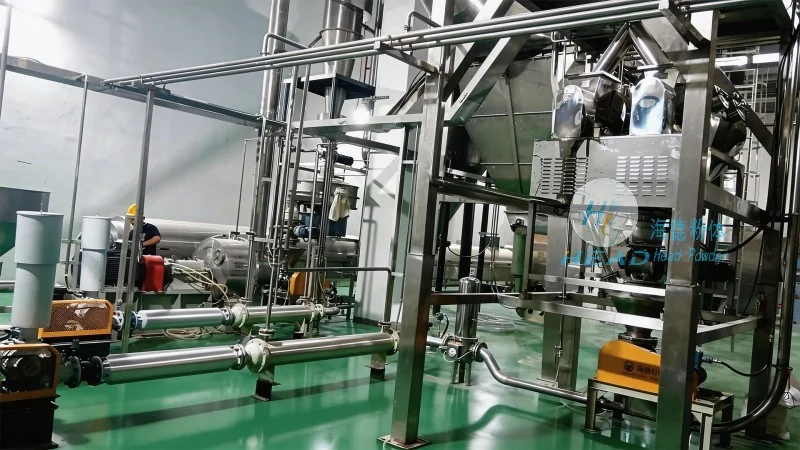
Common Working Scenarios for Resin Powder Conveying Systems
Resin powder conveying systems are widely used across various industries, including manufacturing, construction, and chemical processing. In manufacturing, these systems are integral to the production of composite materials, where resin powders are mixed with other components to create products like fiberglass or polymer composites. The systems must be capable of handling large volumes of resin powder while maintaining consistent flow rates to ensure uniform mixing and product quality.
In the construction industry, resin powder conveying is often employed in the production of building materials, such as adhesives, sealants, and coatings. Here, the systems need to deliver resin powders to mixing stations or application equipment with high precision, as even minor variations in powder concentration can affect the final product's performance and durability. The ability to handle different resin types and particle sizes makes these systems versatile for various construction applications.
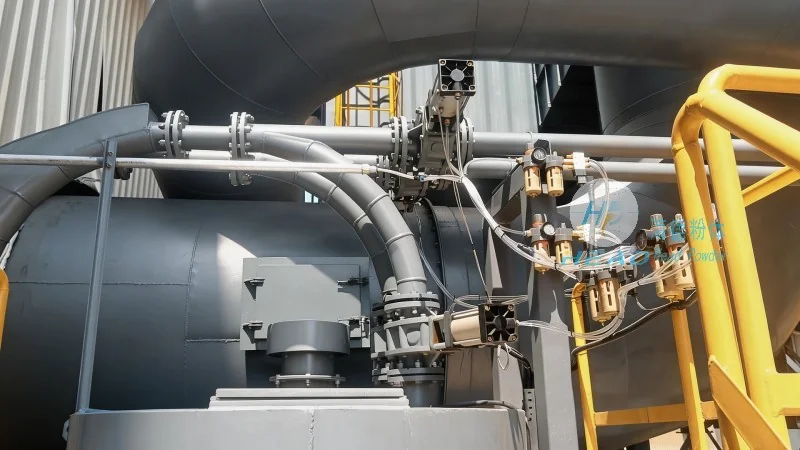
Within the chemical processing sector, resin powder conveying systems play a crucial role in the production of specialty chemicals and pharmaceuticals. These applications demand strict adherence to hygiene and contamination control measures. The systems are typically designed with stainless steel components and sealed connections to prevent cross-contamination and maintain product purity. Additionally, the systems must be capable of handling temperature-sensitive resin powders, often incorporating temperature control features to prevent degradation during transport.
Key Features and Advantages of Resin Powder Conveying Systems
Modern resin powder conveying systems offer several advantages that enhance operational efficiency and safety. One of the primary benefits is the ability to handle a wide range of resin powder characteristics, including different particle sizes, densities, and moisture contents. This versatility allows companies to use a single system for multiple resin types, reducing equipment costs and simplifying maintenance.
Another significant advantage is the reduction in labor costs and operational time. Automated conveying systems eliminate the need for manual handling of resin powders, which not only improves safety by minimizing human exposure to dust and static but also increases productivity by allowing for continuous operation without frequent breaks for material transfer.
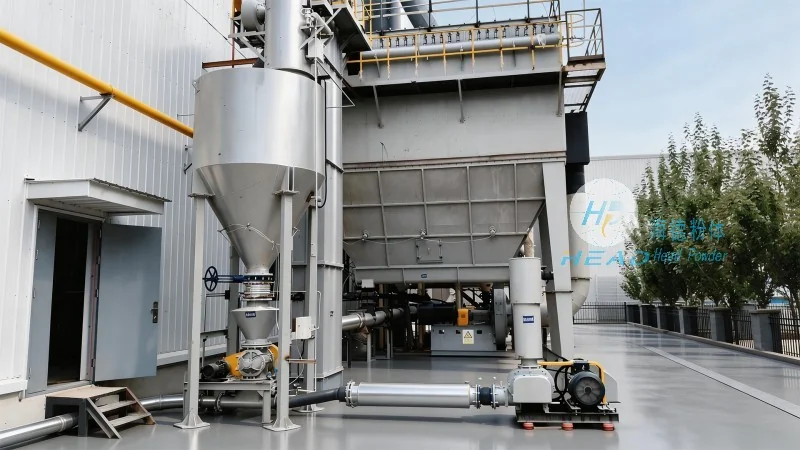
Furthermore, these systems contribute to improved product quality by ensuring consistent and uniform transport of resin powders. This consistency is vital in applications where the final product's properties depend on the precise ratio of resin to other components. By maintaining stable flow rates and preventing material segregation, the systems help maintain the desired product specifications and reduce waste from rework or product defects.
Conclusion
In conclusion, resin powder conveying systems are sophisticated pieces of equipment that combine mechanical and pneumatic principles to efficiently transport resin powders in various industrial applications. By understanding their core principles and typical working scenarios, industries can optimize their operations, enhance safety, and improve product quality. The systems offered by companies like Shandong HeadPowder Engineering Co., Ltd. in China are designed to meet these needs, providing reliable and efficient solutions for resin powder handling in manufacturing, construction, and chemical processing sectors.