HeadPowder, a leading enterprise in the powder handling industry, specializes in the design, manufacturing, and integration of advanced conveying systems tailored for various industrial applications. This article delves into the core principles and operational characteristics of borax powder conveying systems, highlighting how these systems efficiently manage the transportation of borax, a critical chemical compound widely used in glass manufacturing, detergents, and other industrial processes.
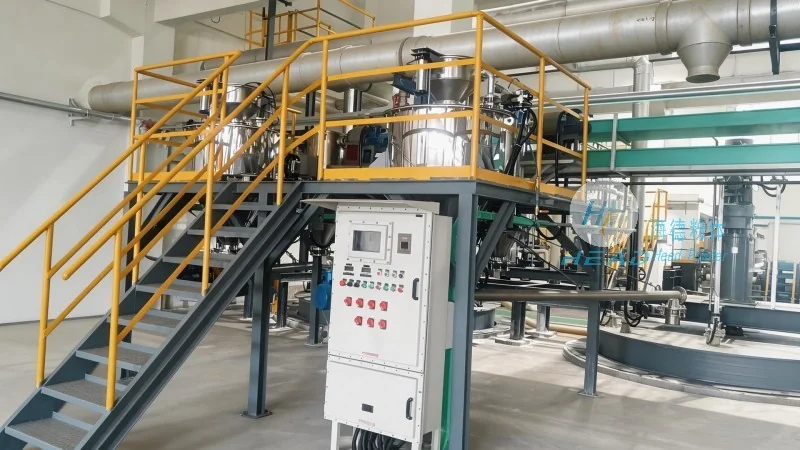
Overview of Borax Powder Conveying Systems
Borax powder conveying systems are engineered to handle the unique challenges associated with transporting fine, abrasive, and potentially hygroscopic powders like borax. The systems typically consist of a combination of components, including feeders, conveyors, control units, and dust collection systems, all working in harmony to ensure reliable and efficient material transfer. The design of these systems is optimized to minimize product degradation, prevent blockages, and maintain consistent flow rates, which are crucial for maintaining product quality and operational efficiency in industrial settings.
The Working Principle of Borax Powder Conveying Systems
The operation of borax powder conveying systems is based on the principles of pneumatic or mechanical conveying, depending on the specific system configuration. For pneumatic systems, the process involves creating a pressure differential to move the powder through a pipeline using air or other gases. The system typically includes a hopper for material storage, a rotary valve or feeder to control the flow rate, and a blower or compressor to generate the necessary airflow. The powder is then transported through the pipeline to the discharge point, where it is collected in a receiving hopper or directly into the processing equipment. Mechanical systems, on the other hand, rely on screw conveyors, belt conveyors, or bucket elevators to physically move the powder through a closed or open system. These systems are often preferred for handling larger quantities of material or for applications where dust control is a primary concern.
Key Components and Their Functions in Borax Powder Conveying Systems
Several critical components contribute to the effective operation of borax powder conveying systems. The hopper serves as the primary storage vessel, designed to accommodate the bulk of the borax and provide a consistent feed to the feeder. The feeder, which can be a rotary valve, vibratory feeder, or screw feeder, regulates the flow rate of the powder, ensuring that the conveyor operates at an optimal speed without overloading or underloading. The conveyor itself, whether pneumatic or mechanical, is responsible for transporting the powder from the feed point to the discharge point. In pneumatic systems, the pipeline and associated fittings are designed to minimize pressure loss and prevent material buildup. The control unit, often equipped with sensors and a programmable logic controller (PLC), monitors system parameters such as pressure, flow rate, and temperature, and adjusts the operation of the system as needed to maintain stability. Finally, the dust collection system, including filters and cyclones, is essential for capturing and removing airborne particles, ensuring compliance with environmental regulations and maintaining a safe working environment.
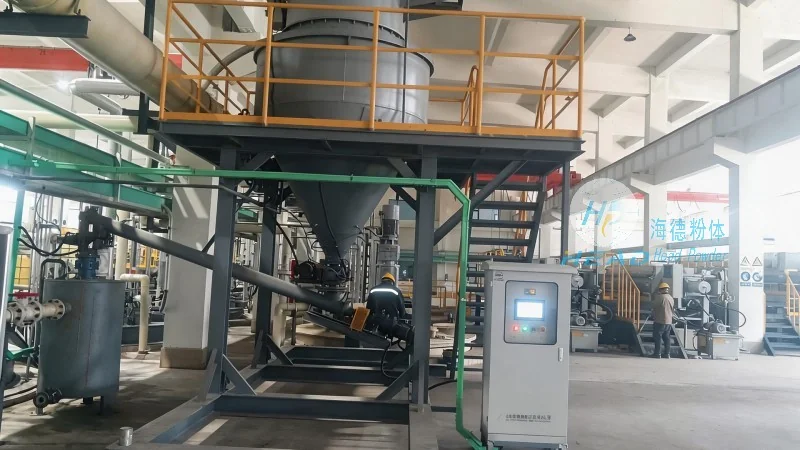
Working Scene Characteristics of Borax Powder Conveying Systems
The working scene characteristics of borax powder conveying systems are influenced by several factors, including the nature of the material, the scale of the operation, and the specific industrial application. Borax is a fine, white powder that can be abrasive and potentially hygroscopic, which means it can absorb moisture from the air and cause clumping or caking. This characteristic requires the conveying system to be designed with materials that are resistant to corrosion and wear, such as stainless steel or special alloys, to prevent degradation of the equipment and maintain product quality. The system must also be equipped with features that prevent material buildup, such as self-cleaning mechanisms or regular maintenance schedules, to ensure continuous operation without interruptions.
In terms of scale, borax powder conveying systems can range from small, compact units used in laboratory or pilot-scale applications to large, industrial-scale systems capable of handling thousands of tons of material per day. The scale of the system is determined by factors such as the production capacity of the facility, the distance between the storage and processing areas, and the required flow rate. For example, in a glass manufacturing plant, a large-scale pneumatic conveying system may be used to transport borax from a storage silo to the furnace, where it is used as a flux to lower the melting point of the glass. In a detergent manufacturing plant, a mechanical conveyor system may be used to move borax from a storage bin to a mixing tank, where it is combined with other ingredients to form the final product.
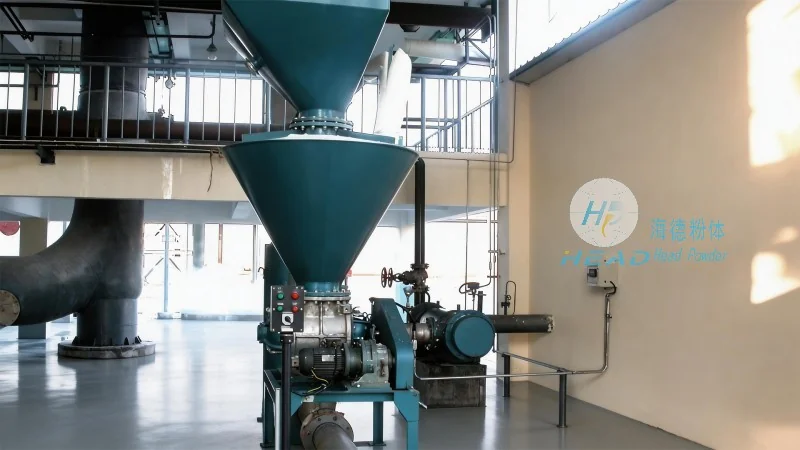
Advantages and Applications of Borax Powder Conveying Systems
Borax powder conveying systems offer several advantages over traditional manual or bucket-based methods of material handling. These systems provide a continuous and reliable flow of material, reducing the risk of product loss or contamination. They also improve operational efficiency by automating the material transfer process, which reduces labor costs and increases production throughput. Additionally, the systems are designed to minimize dust generation, which improves workplace safety and reduces the risk of fire or explosion in industrial settings. The versatility of borax powder conveying systems makes them suitable for a wide range of applications, including chemical processing, pharmaceutical manufacturing, food processing, and agricultural applications.
In the chemical industry, borax is used as a flux in glass manufacturing, a buffering agent in detergents, and a component in various chemical formulations. The conveying systems used in these applications must be able to handle the specific properties of borax, such as its fine particle size and potential for caking. For example, in glass manufacturing, a pneumatic conveying system may be used to transport borax from a storage silo to the furnace, where it is added to the batch to lower the melting point of the glass. The system must be able to handle the high temperatures and abrasive nature of the material without degrading the equipment. In detergent manufacturing, a mechanical conveyor system may be used to move borax from a storage bin to a mixing tank, where it is combined with other ingredients to form the final product. The system must be able to handle the high volume of material and maintain a consistent flow rate to ensure the quality of the final product.
Conclusion
Borax powder conveying systems are essential components in the industrial processing of borax, providing efficient and reliable transportation of this critical chemical compound. The systems are designed to handle the unique challenges associated with borax, including its fine particle size, potential for caking, and abrasive nature. By integrating advanced components and control systems, these systems ensure consistent flow rates, minimize product degradation, and maintain a safe working environment. As the demand for borax continues to grow in various industrial applications, the importance of efficient and reliable conveying systems will only increase. HeadPowder, with its expertise in powder handling technology, continues to develop and improve borax powder conveying systems to meet the evolving needs of the industry.




