Barite, a heavy mineral with high density and stable chemical properties, is widely used in the oil and gas industry as a weighting agent, in the paint industry as a pigment, and in the medical field for X-ray imaging. The efficient and reliable transportation of barite powder is crucial for industrial processes, as it directly impacts production efficiency and product quality. This article explores the fundamental principles of barite powder conveying equipment and highlights key working scene characteristics that define their application in various industrial settings.
Core Principles of Barite Powder Conveying Systems
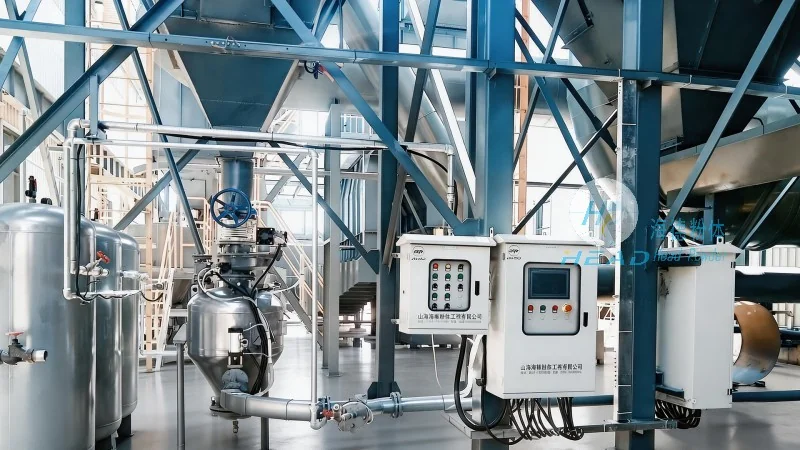
The primary principle behind barite powder conveying equipment is to transport fine, dry powders like barite over long distances or vertical heights without degradation. These systems typically employ either pneumatic (air-assisted) or mechanical (mechanical-driven) methods, each with distinct advantages depending on the application requirements. Pneumatic conveying systems use compressed air to create a flow of powder, while mechanical systems rely on screw conveyors, belt conveyors, or bucket elevators to move the material. The choice of system depends on factors such as the powder's particle size, moisture content, and the distance to be covered. For barite, which is often fine and abrasive, pneumatic systems are frequently preferred due to their ability to handle high volumes and maintain product integrity. The equipment operates by creating a pressure differential, either by suction or pressure, to draw or push the powder through a pipeline. Key components include the hopper (for material storage and feeding), the conveying line (pipeline with appropriate diameter and material), and the control system (for regulating air flow or motor speed). The design ensures minimal product degradation, preventing caking or agglomeration, which could affect downstream processes.
Working Scene Characteristics of Barite Powder Conveying Equipment
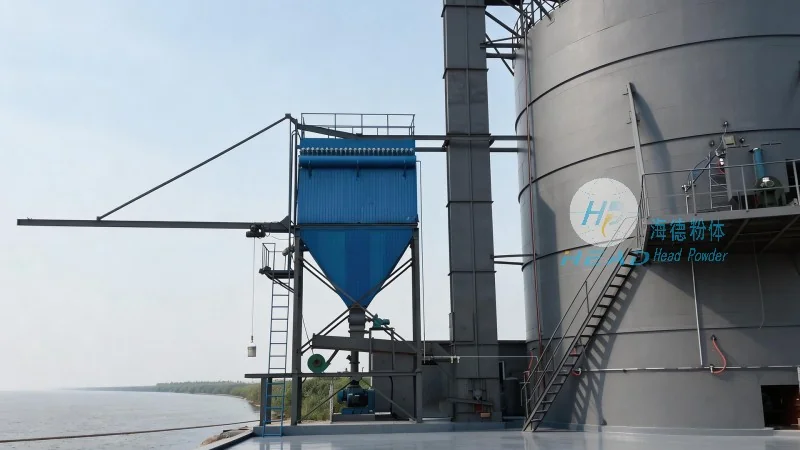
The working scene characteristics of barite powder conveying equipment are tailored to the specific demands of industrial environments, ensuring optimal performance and safety. One key characteristic is the ability to handle abrasive materials without excessive wear on components. Barite's hardness and density mean that equipment must be constructed from durable materials, such as stainless steel or high-grade alloys, to withstand long-term use. This is particularly important in continuous production lines where downtime is costly. Another characteristic is the system's adaptability to different operating conditions, including varying particle sizes and moisture levels. Modern barite powder conveying systems often incorporate adjustable speed controls and pressure sensors to maintain consistent flow rates, even when the material properties change. This adaptability is critical in applications where the barite source may vary, such as in mining operations where ore composition fluctuates. Additionally, the equipment is designed for easy maintenance and cleaning, as barite can sometimes cause blockages or residue buildup in pipelines. Features like self-cleaning mechanisms and easy-to-access components reduce downtime and operational costs. Safety is also a paramount consideration in working scenes, with systems incorporating explosion-proof designs for pneumatic conveyors and emergency shut-off valves to prevent accidents. These characteristics ensure that the equipment operates reliably in hazardous environments, such as oil fields or chemical plants, where the presence of flammable gases or dust is a concern.
Application Scenarios and Performance Metrics
Barite powder conveying equipment is deployed in diverse industrial scenarios, each with unique performance metrics that define its effectiveness. In the oil and gas industry, for example, the equipment is used to transport barite slurry to drilling sites, where it is mixed with drilling fluids to increase density and prevent blowouts. The system must handle high volumes of fine powder and maintain a consistent slurry density, which directly impacts drilling efficiency and safety. Performance metrics in this scenario include the conveying capacity (measured in tons per hour), the pressure drop across the pipeline (indicating system efficiency), and the uniformity of the slurry (affecting drilling performance). In the paint industry, barite is used as a pigment, and the conveying equipment must ensure that the powder is delivered to mixing tanks without clumping or moisture absorption. Here, the focus is on maintaining the powder's color and texture, which are critical for product quality. Performance metrics include the particle size distribution (to ensure proper pigment dispersion) and the moisture content of the delivered material (to prevent paint defects). In the medical field, barite is used as a contrast agent in X-ray imaging, and the conveying equipment must deliver the powder to mixing stations with high precision and minimal contamination. The performance metrics in this scenario include the accuracy of dosage delivery and the sterility of the system, as the material is used in human applications. Across all these scenarios, the equipment's ability to handle abrasive materials, maintain product integrity, and operate reliably under varying conditions is essential. The working scene characteristics, such as durability, adaptability, and safety, directly contribute to meeting these performance metrics and ensuring consistent product quality.
Conclusion and Company Overview
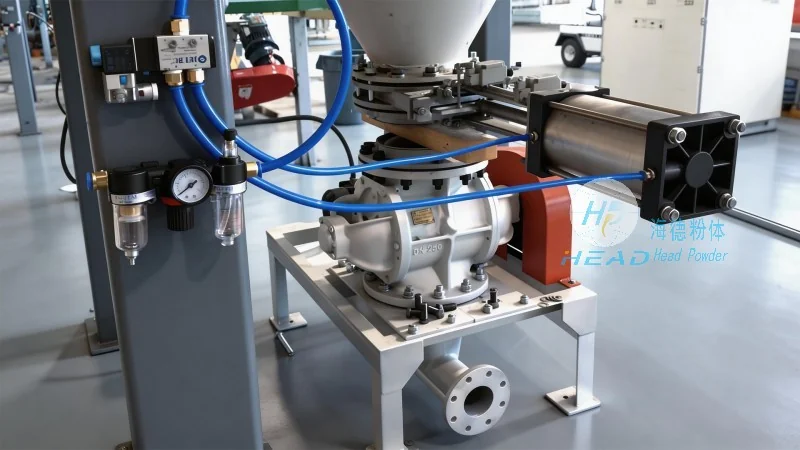
Barite powder conveying equipment plays a vital role in various industrial applications, and understanding its principles and working scene characteristics is essential for optimizing production processes. The equipment's design, based on pneumatic or mechanical principles, ensures efficient transportation of fine, abrasive powders like barite. Key working scene characteristics, including durability, adaptability, and safety, are tailored to meet the demands of different industries, from oil and gas to paint manufacturing. By maintaining product integrity and minimizing downtime, these systems enhance overall operational efficiency. Shandong HeadPowder Engineering Co., Ltd., a leading manufacturer of such equipment, specializes in providing customized solutions that address the specific needs of industrial clients. With a focus on quality and reliability, the company ensures that its barite powder conveying equipment meets the highest standards, supporting clients in achieving their production goals. Based in Shandong, China, HeadPowder leverages advanced engineering and manufacturing capabilities to deliver durable, efficient, and safe conveying systems for barite and other fine powders. The company's commitment to innovation and customer satisfaction has established it as a trusted partner in the industry, helping businesses enhance their operational performance and product quality.




