

Principle and Working Scene Characteristics of Beer Brewery Solids Pneumatic Conveying Equipment
Beer brewery operations generate significant quantities of solid waste, primarily in the form of spent grain or beer slurry, commonly referred to as brewery solids. The efficient and hygienic handling of these materials is crucial for maintaining production efficiency and adhering to environmental regulations. Pneumatic conveying equipment has emerged as a key solution for transporting brewery solids, offering a flexible and effective method to move these materials from production lines to processing or disposal facilities. This article explores the underlying principles of pneumatic conveying systems designed for beer brewery solids, as well as the specific working scene characteristics that define their application in industrial settings.
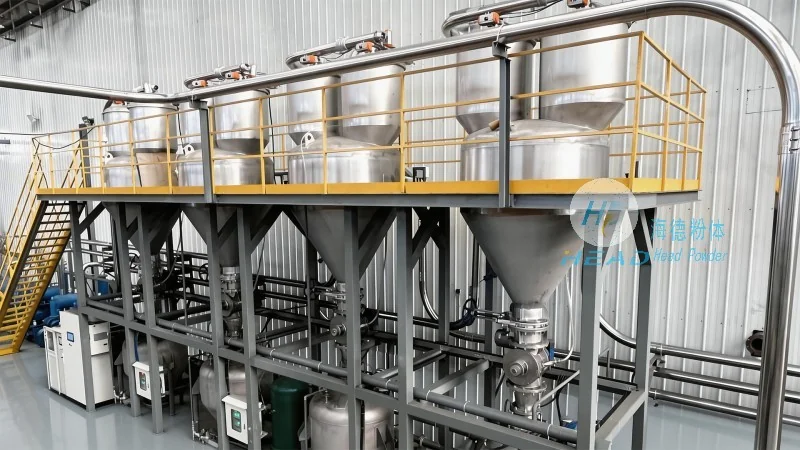
Principle of Pneumatic Conveying Systems for Brewery Waste
Pneumatic conveying systems operate by transporting solid materials in a fluidized state, typically using air or other gases as the conveying medium. In the context of beer brewery solids, these systems are engineered to handle high-moisture, abrasive, and potentially odorous materials, such as spent grain or beer slurry. The core principle involves creating a pressure differential between the inlet and outlet of the conveying line, which propels the material through the system. There are two primary types of pneumatic conveying: positive pressure and negative pressure systems. Positive pressure systems generate air pressure at the material inlet, pushing the material through the line, while negative pressure systems create a vacuum at the outlet, drawing the material in. Both systems are designed to maintain the material in a suspended state, preventing clogging and ensuring smooth transport. The equipment typically includes components such as feeders, conveying lines, air separators, and collection tanks. The feeders ensure a consistent flow of material into the system, while the conveying lines transport the material to the desired location. Air separators are critical for separating the material from the air stream, allowing for the recovery of the conveying medium and the collection of the solid waste. The collection tanks then store the processed material for further use or disposal.
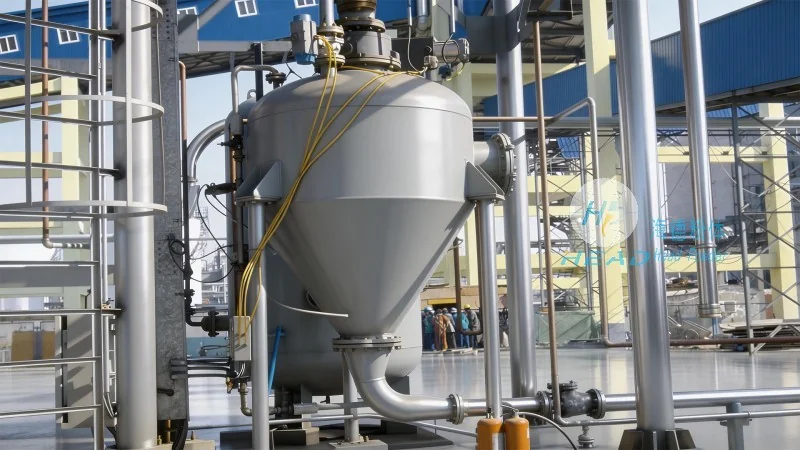
Working Scene Characteristics and Application Scenarios
The working scene characteristics of beer brewery solids pneumatic conveying equipment are closely tied to the operational environment of a brewery. These systems are typically installed within the brewery's production facility, often integrated into the existing process flow. The equipment is designed to handle the high volume and frequency of material transport required in a brewery, with the ability to operate continuously over extended periods. A key application scenario is the transport of spent grain from the mashing and lautering stages to the drying or composting facilities. This process requires a system that can handle the large quantities of wet, fibrous material, while maintaining hygiene standards to prevent contamination. Another common application is the transport of beer slurry from the filtration or clarification stages to the waste treatment or reuse facilities. In these scenarios, the pneumatic conveying system must be capable of handling fine particles and high moisture content, ensuring that the material is transported without clogging or degradation. The working scene also includes considerations for space constraints within the brewery, as the equipment is often installed in confined areas. The design of the conveying lines and components must accommodate the available space, while maintaining the efficiency and reliability of the system. Additionally, the equipment must be compatible with the existing infrastructure, such as the brewery's air handling systems and material storage facilities. This integration ensures that the pneumatic conveying system operates seamlessly with the rest of the production process, minimizing downtime and maximizing productivity.
Technical Advantages and Operational Efficiency
The adoption of pneumatic conveying equipment for beer brewery solids offers several technical advantages that enhance operational efficiency and sustainability. One of the primary benefits is the ability to transport materials over long distances without the need for mechanical components, such as conveyor belts or screw conveyors. This reduces the risk of material degradation and contamination, as the material remains in a suspended state throughout the transport process. The system also provides a hygienic and clean method of material handling, which is essential in food processing environments. The use of air as the conveying medium eliminates the need for direct contact between the material and the equipment, reducing the risk of cross-contamination and ensuring compliance with food safety regulations. Another advantage is the flexibility of the system, which allows for easy adjustment of the conveying rate and distance. This adaptability is particularly valuable in breweries, where production volumes and processes may vary over time. The equipment can be scaled to meet the changing needs of the brewery, ensuring that it remains an effective solution for material transport. Furthermore, pneumatic conveying systems are energy-efficient compared to traditional mechanical systems, as they require less power to operate. The use of air as the conveying medium reduces energy consumption, contributing to lower operational costs and a smaller environmental footprint. The system also minimizes material handling losses, as the material is transported in a closed system, preventing spillage and waste. This efficiency is crucial for breweries, as it helps to reduce waste and improve overall production yields.
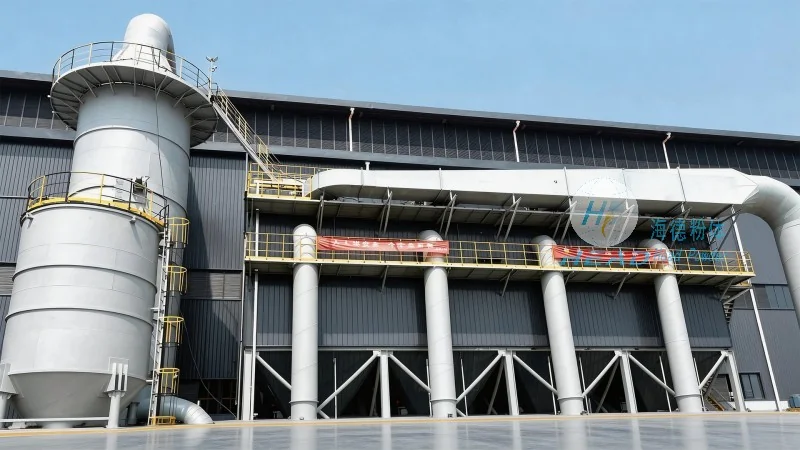
Company Profile and Professional Support
Shandong HeadPowder Engineering Co., Ltd., a leading manufacturer of pneumatic conveying equipment, specializes in providing customized solutions for the beer brewing industry. With a focus on innovation and quality, the company has developed advanced systems tailored to the unique challenges of brewery waste management. HeadPowder's equipment is designed to meet the specific requirements of beer breweries, including high capacity, hygienic operation, and durability. The company's products are manufactured using high-quality materials and advanced technology, ensuring reliable performance and long service life. HeadPowder provides comprehensive support to its clients, including design, installation, and maintenance services. The company's team of experts works closely with clients to understand their specific needs and develop tailored solutions that enhance operational efficiency and reduce costs. With a strong commitment to customer satisfaction and environmental responsibility, HeadPowder has established itself as a trusted partner in the beer brewing industry. The company's headquarters is located in Shandong, China, providing a strategic base for serving clients both domestically and internationally. HeadPowder's expertise in pneumatic conveying technology, combined with its understanding of the beer brewing process, makes it an ideal choice for breweries seeking to optimize their waste management and material transport operations.