Release time:2026-09-17 14:01:21
name of the company:Shandong Headpowder Engineering Co., Ltd.
telephone:156-6277-7102
contacts:Zhang manager
Positive and negative electrode material powder conveyors are specialized equipment designed for the efficient handling and transportation of fine powders used in lithium-ion battery production. These machines play a crucial role in the battery manufacturing process, ensuring precise material flow and maintaining product quality. Manufactured by Shandong HeadPowder Engineering Co., Ltd. (headpowder), these conveyors are engineered to meet the demanding requirements of modern battery production facilities.
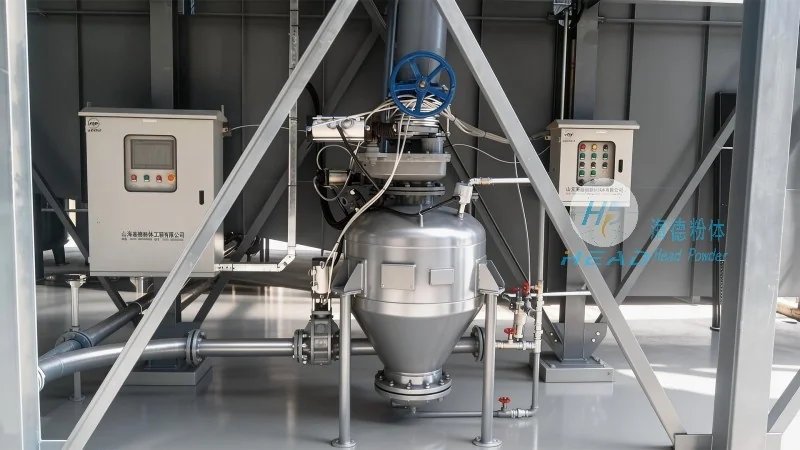
Working Principle of Positive and Negative Electrode Material Powder Conveyors
The working principle of positive and negative electrode material powder conveyors is centered on the efficient transfer of fine powders from one location to another within a production facility. These systems typically utilize a combination of mechanical components, such as screw conveyors, pneumatic conveying lines, or bucket elevators, to move the material. The process begins with the material being fed into the conveyor system, where it is then transported through a series of channels or tubes. The design of the conveyor ensures minimal material degradation and loss, which is critical for maintaining the quality of the electrode materials. Additionally, the system often incorporates control mechanisms to regulate the flow rate and pressure, ensuring consistent performance. The overall operation is designed to be energy-efficient and reliable, supporting continuous production in battery manufacturing plants.
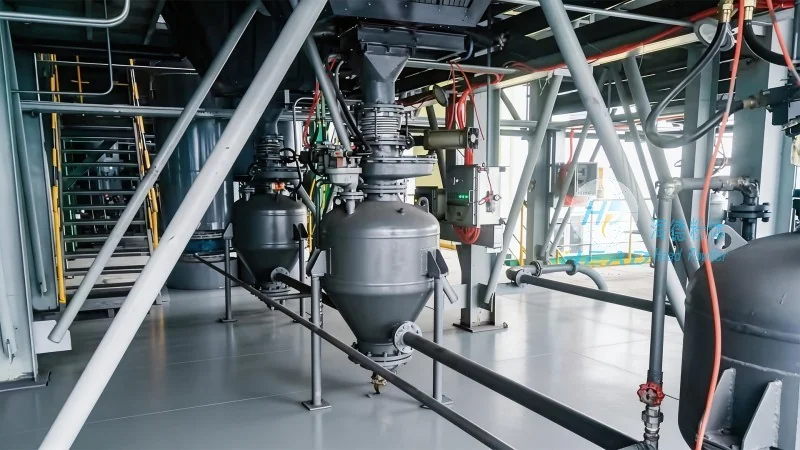
Key Features of Positive and Negative Electrode Material Powder Conveyors
Positive and negative electrode material powder conveyors are equipped with several key features that enhance their performance and usability. One of the primary features is the ability to handle fine powders with high precision, minimizing segregation and agglomeration. The equipment is constructed from materials that are resistant to corrosion and wear, ensuring long-term durability. Advanced control systems are integrated to allow for real-time monitoring and adjustment of the conveying process, improving operational efficiency. Additionally, the design often includes features for easy maintenance and cleaning, reducing downtime and maintenance costs. The conveyors are also designed to be compact and space-efficient, making them suitable for integration into existing production lines. These features collectively contribute to the reliability and effectiveness of the equipment in battery production environments.
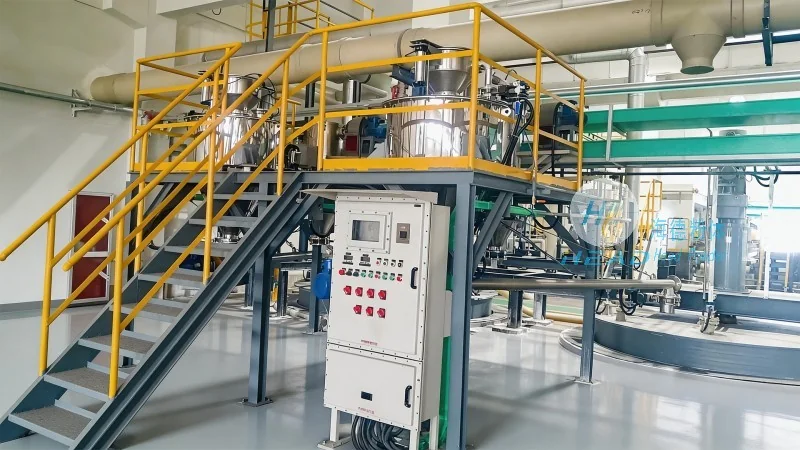
Applications in Battery Manufacturing
Positive and negative electrode material powder conveyors are widely used in the production of lithium-ion batteries, where the precise handling of electrode materials is essential. These conveyors are integral to the supply chain of raw materials, ensuring that the fine powders required for the positive and negative electrodes are transported efficiently from storage to the mixing and coating stages. The equipment supports the consistent production of high-quality batteries by maintaining the integrity of the materials throughout the conveying process. In addition, the conveyors are adaptable to different production scales, from small-scale pilot plants to large-scale industrial facilities. This flexibility makes them suitable for various applications within the battery manufacturing industry.
Advantages of Using Positive and Negative Electrode Material Powder Conveyors
Implementing positive and negative electrode material powder conveyors offers several advantages for battery manufacturers. The primary advantage is the improvement in production efficiency, as these systems enable the continuous and automated transfer of materials, reducing manual labor and potential errors. The equipment also contributes to cost savings by minimizing material loss and reducing maintenance requirements. Furthermore, the precise control over material flow ensures that the quality of the electrode materials is maintained, leading to higher-quality finished batteries. The reliability of the conveyors also reduces production downtime, as they are designed to operate with minimal interruptions. These advantages make the use of such equipment a valuable investment for companies operating in the battery manufacturing sector.
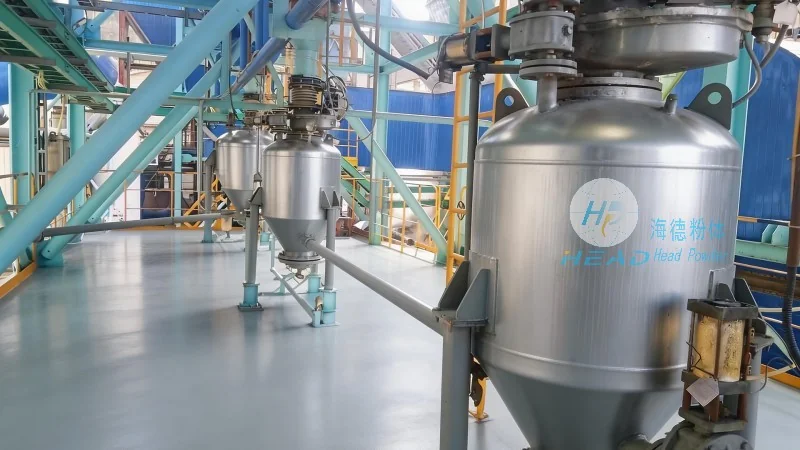
Conclusion
In conclusion, positive and negative electrode material powder conveyors are essential equipment for the efficient and reliable production of lithium-ion batteries. Their working principle, which focuses on precise material handling and transfer, combined with key features such as durability, advanced control systems, and adaptability, makes them a critical component in modern battery manufacturing facilities. The advantages of using these conveyors, including improved efficiency, cost savings, and product quality, highlight their importance in the industry. As the demand for high-performance batteries continues to grow, the role of these conveyors in ensuring consistent and high-quality production will remain significant.




