

Preventing Dust Leakage in Pneumatic Conveying Systems for Lithium-Ion Batteries
As the demand for lithium-ion batteries expands across industries, efficient and safe material handling systems are crucial. Pneumatic conveying systems are widely adopted for transporting these batteries due to their ability to handle delicate materials with minimal physical contact. However, the fine dust generated during processing poses significant risks, particularly in preventing dust leakage. This article examines the strategies and solutions by Shandong HeadPowder Engineering Co., Ltd. to mitigate dust leakage in pneumatic conveying systems when handling lithium-ion batteries.
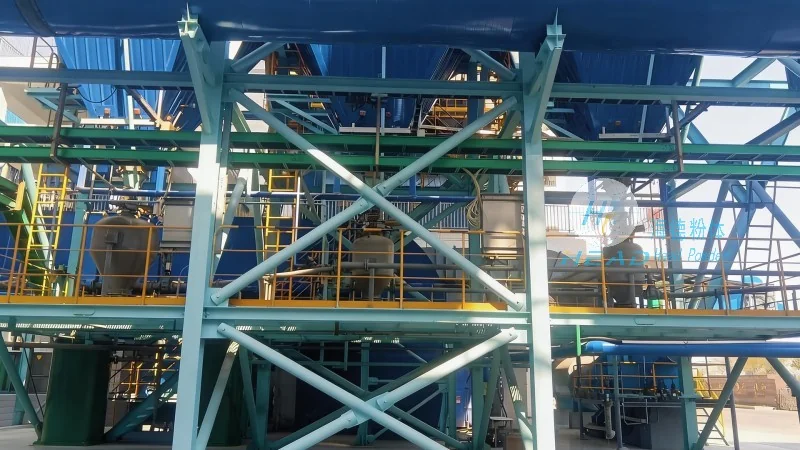
Understanding the Risks of Dust Leakage in Lithium-Ion Battery Handling
Lithium-ion batteries consist of components like cathodes, anodes, and electrolytes, which can produce fine powders during manufacturing. When transported via pneumatic systems, dust leakage risks increase due to high velocity and pressure differentials. Dust leakage creates environmental hazards by contaminating air and surfaces, safety risks such as respiratory issues for workers and potential fire hazards from combustible dust, and equipment damage from accumulation. Effective dust control is essential for system safety, compliance, and longevity.
Key Strategies for Preventing Dust Leakage in Pneumatic Conveying
Shandong HeadPowder Engineering Co., Ltd. specializes in advanced pneumatic conveying solutions tailored to lithium-ion battery production. The company employs several key strategies to prevent dust leakage, including:
1. **Sealed Conveying Systems**: Fully enclosed, airtight lines with robust seals at all joints prevent dust escape. These systems maintain consistent pressure differentials to minimize leakage through gaps or openings.
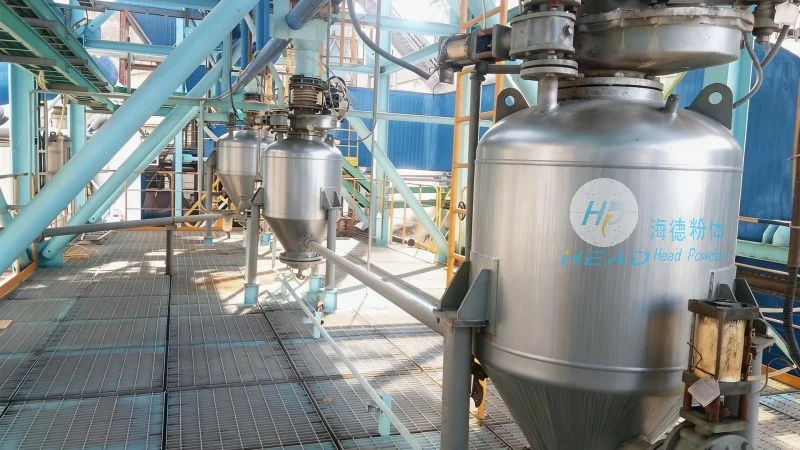
2. **Advanced Filtration and Collection Systems**: High-efficiency filtration units capture fine dust particles before atmospheric release. Designed for lithium-ion battery dust characteristics (particle size, chemical composition), these filters ensure optimal performance and minimal maintenance. Collected dust is safely disposed of or recycled.
3. **Material Handling Equipment with Integrated Sealing**: Rotary valves and feeders feature integrated sealing mechanisms that prevent dust leakage at inlet/outlet points. Engineered to maintain tight seals under varying pressure conditions, ensuring consistent operation.
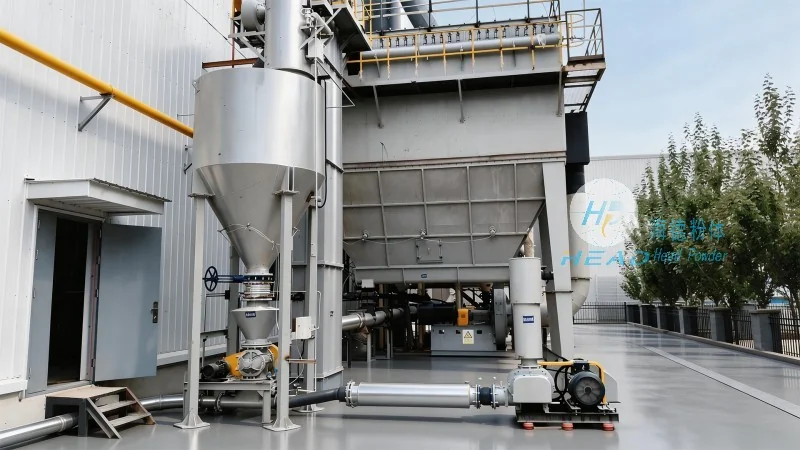
4. **Regular Maintenance and Monitoring**: Proactive maintenance, including seal inspections, filter cleaning, and wear checks, identifies and addresses potential issues before they cause dust leakage or system failure.
HeadPowder's Commitment to Safety and Compliance
Shandong HeadPowder Engineering Co., Ltd. is committed to safety and environmental standards. The company adheres to industry regulations and best practices, ensuring pneumatic conveying systems meet safety and environmental guidelines. Through robust engineering, quality materials, and thorough testing, HeadPowder delivers reliable, efficient, and compliant systems.
Conclusion
Preventing dust leakage in pneumatic conveying systems for lithium-ion batteries is critical for safe, sustainable operations. Innovative design, advanced filtration, and rigorous maintenance address this challenge. Manufacturers can ensure system integrity, protect workers, and contribute to a cleaner environment by implementing these strategies. As the battery industry evolves, effective dust control becomes increasingly vital, making solutions from HeadPowder valuable for optimizing operations while maintaining safety and compliance.