

Preventing Dust Leakage in Pneumatic Conveying Systems for Bauxite Transport
When handling bauxite through pneumatic conveying systems, preventing dust leakage is crucial for maintaining operational efficiency, worker safety, and environmental compliance. Bauxite, a key raw material in aluminum production, poses unique challenges due to its fine particle size and abrasive properties. Effective dust control measures are essential to mitigate health risks, reduce equipment wear, and ensure smooth material transport. This article explores practical strategies and solutions offered by HeadPowder Engineering to address these challenges in bauxite transportation.
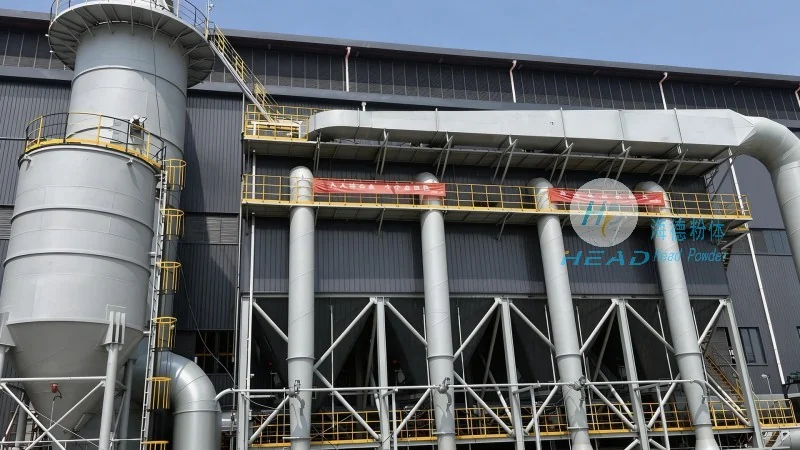
About HeadPowder Engineering
HeadPowder Engineering, a leading provider of pneumatic conveying solutions, specializes in designing and implementing systems tailored to the demands of bauxite handling. With a focus on innovation and reliability, the company has developed advanced technologies to minimize dust leakage during material transport. HeadPowder Engineering is headquartered in Shandong, China, and serves clients globally with customized solutions that enhance process efficiency and safety.
Key Design Elements for Dust Control in Bauxite Conveying
The foundation of effective dust leakage prevention lies in robust system design. HeadPowder Engineering employs several critical design features to ensure airtight operation. First, the use of high-quality, airtight hoppers and feeders is essential to contain material and prevent air leakage at the source. These components are engineered to handle the abrasive nature of bauxite while maintaining a secure seal. Second, the selection of appropriate duct materials and connections is vital. Stainless steel or corrosion-resistant alloys are commonly used to withstand the chemical and physical stresses of bauxite, reducing the risk of material degradation that could lead to leaks. Additionally, the integration of flexible connectors and vibration dampening systems helps to absorb mechanical stresses, preventing stress-related cracks in the ductwork that might otherwise allow dust to escape.
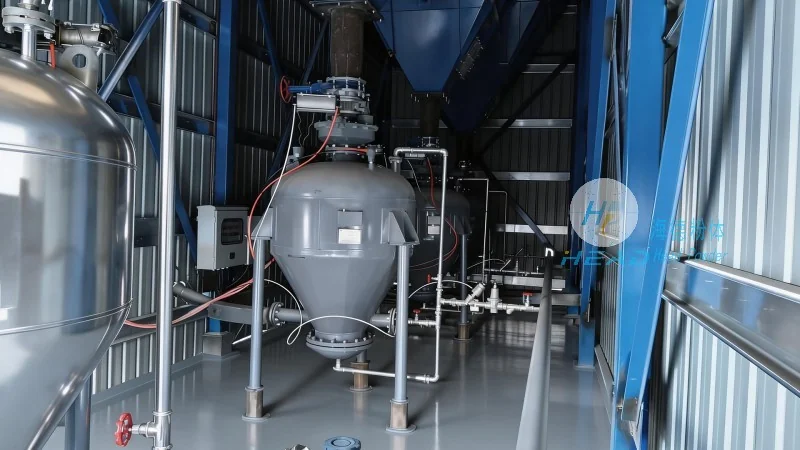
Advanced Sealing Technologies for Bauxite Conveying Systems
HeadPowder Engineering utilizes cutting-edge sealing technologies to enhance dust containment. One key approach is the implementation of dynamic seals, such as rotary valves and airlocks, which provide continuous, airtight closure at material transfer points. These components are designed to handle the high flow rates and abrasive properties of bauxite, ensuring that no material or air escapes during operation. Another critical technology is the use of positive pressure systems, where the conveying line is maintained at a slightly higher pressure than the surrounding environment. This positive pressure acts as a barrier, preventing external air from entering the system and carrying dust out. The company also employs negative pressure systems in some applications, where the system is operated under vacuum to draw material into the line while keeping dust sealed inside. Both approaches are effective, but positive pressure is often preferred for bauxite due to its fine particle size and tendency to generate dust.
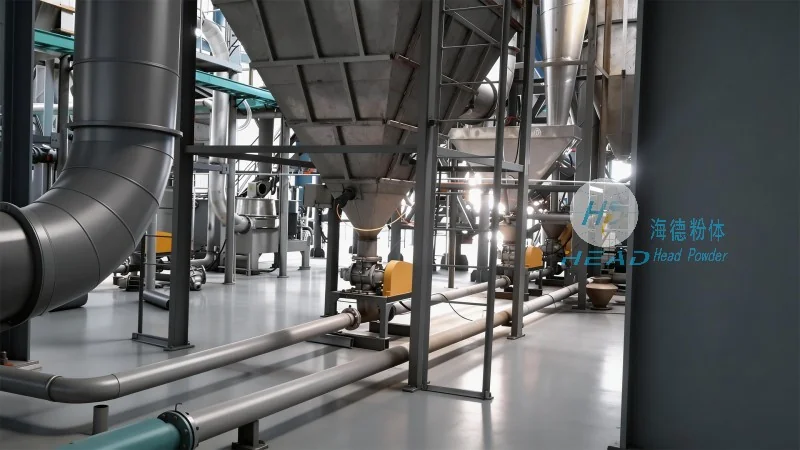
Maintenance and Operational Practices for Minimizing Dust Leakage
Proper maintenance and operational practices are essential to sustain the effectiveness of dust control measures. HeadPowder Engineering recommends regular inspections of all system components, including hoppers, ducts, and seals, to identify and address potential issues before they lead to leaks. This includes checking for signs of wear, such as cracks or loose connections, and replacing worn parts promptly. Operational procedures also play a significant role. For example, proper loading techniques, such as using a hopper with a controlled feed rate, help to prevent surging or clogging that can cause pressure fluctuations and dust leakage. Additionally, maintaining consistent air pressure and flow rates ensures that the system operates within optimal parameters, reducing the risk of air leaks or material buildup that could lead to dust escape. The company provides comprehensive training programs for clients to ensure that operators understand the importance of these practices and can implement them effectively.
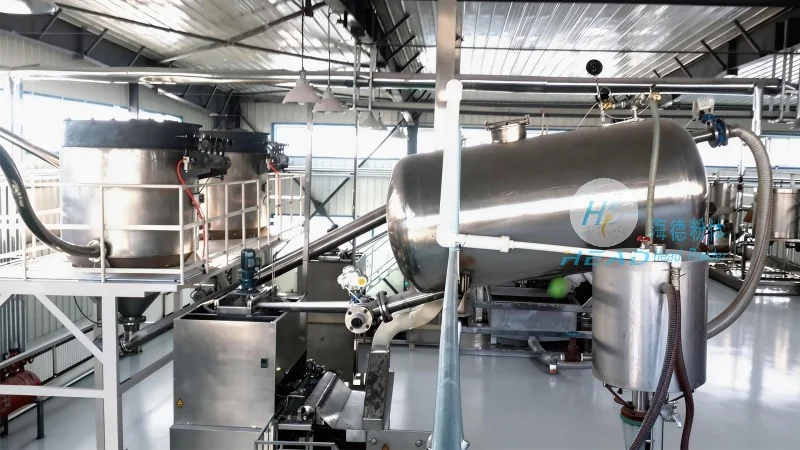
Real-World Applications and Success Stories
HeadPowder Engineering has successfully implemented dust control solutions in numerous bauxite handling facilities worldwide. For instance, a major aluminum producer in Asia upgraded its pneumatic conveying system to incorporate advanced sealing technologies and positive pressure systems. The result was a significant reduction in dust leakage, with operational efficiency improving by 15% and worker exposure to bauxite dust decreasing by over 80%. Another client, a mining company in Europe, faced challenges with dust leakage due to the abrasive nature of their bauxite. By installing stainless steel ducts and dynamic seals, HeadPowder Engineering was able to achieve airtight operation, reducing maintenance costs and improving overall process reliability. These case studies demonstrate the effectiveness of the company's solutions in real-world bauxite transportation scenarios.
Conclusion: Ensuring Safe and Efficient Bauxite Transport
Preventing dust leakage in pneumatic conveying systems for bauxite is a critical challenge that requires a combination of robust design, advanced technology, and proper maintenance. HeadPowder Engineering, with its expertise in pneumatic conveying and dust control, offers comprehensive solutions tailored to the unique needs of bauxite handling. By implementing high-quality components, advanced sealing technologies, and best operational practices, clients can achieve airtight operation, enhance worker safety, and improve overall process efficiency. As the demand for aluminum continues to grow, the importance of effective bauxite transportation systems will only increase, making HeadPowder Engineering's solutions a valuable asset for industries relying on this raw material.