

Working Principle and Features of Desulfurization and Dust Removal Fly Ash Pneumatic Conveying Syste
This article provides an overview of the working principle and key features of the desulfurization and dust removal fly ash pneumatic conveying system equipment, presented by Shandong HeadPowder Engineering Co., Ltd., a leading manufacturer based in Shandong, China. The system is designed to efficiently handle fly ash generated from flue gas desulfurization and dust removal processes in power plants and industrial facilities.
Company Overview
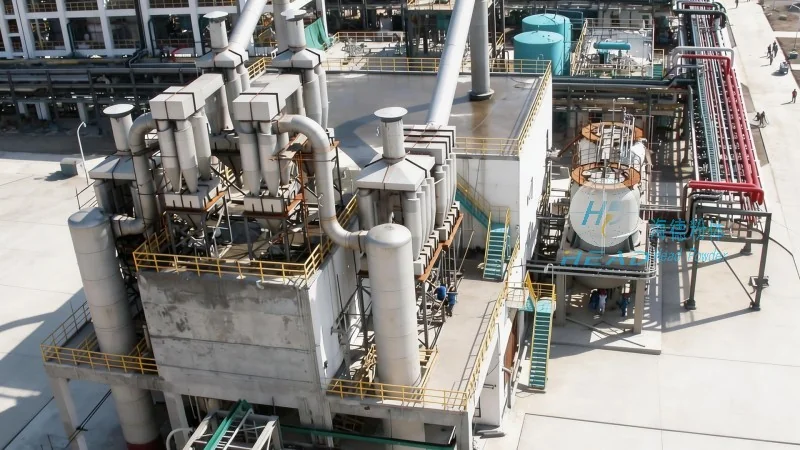
Shandong HeadPowder Engineering Co., Ltd. specializes in the research, development, and manufacturing of advanced material handling equipment, including pneumatic conveying systems for industrial applications. With a strong presence in Shandong, China, the company leverages its expertise to deliver reliable and efficient solutions for fly ash management in various industrial sectors. The company's commitment to quality and innovation ensures that its products meet the stringent requirements of modern industrial operations.
Working Principle of the Pneumatic Conveying System
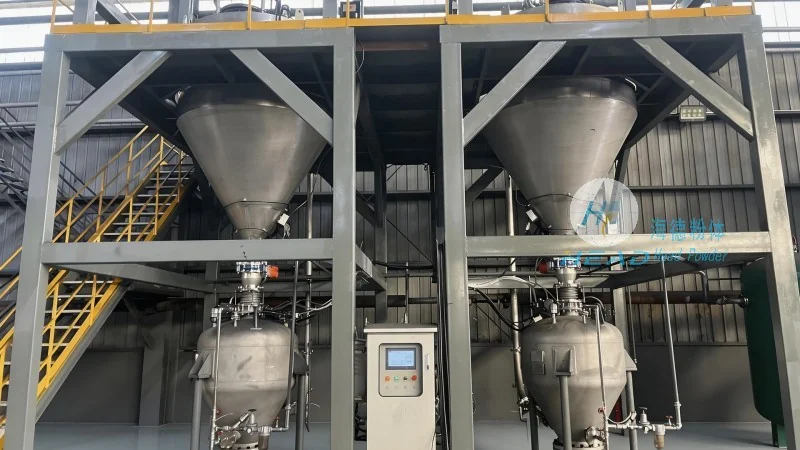
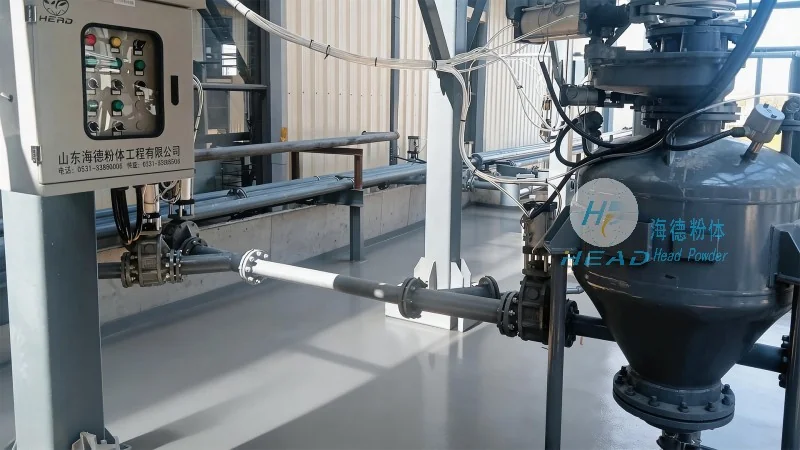
The desulfurization and dust removal fly ash pneumatic conveying system operates on the principle of pneumatic transport, where solid materials (fly ash) are conveyed through a pipeline using a gas stream (usually air or a mixture of air and other gases). The system typically consists of several key components, including a hopper for material storage, a feeder to control the flow of fly ash, a conveying line with appropriate fittings and valves, and a receiver for the discharged material. The working process involves the following steps: First, fly ash is fed from the hopper into the conveying line through the feeder. Then, the air compressor or blower generates a high-pressure air stream that propels the fly ash particles through the pipeline. The air velocity is maintained at a level sufficient to keep the particles in suspension, preventing blockages and ensuring smooth transport. Finally, the fly ash is deposited into the receiver at the destination point. The system may also include additional components such as cyclones for separation, filters to remove dust from the exhaust air, and control systems to regulate the conveying process, ensuring optimal performance and safety.
Key Features of the System
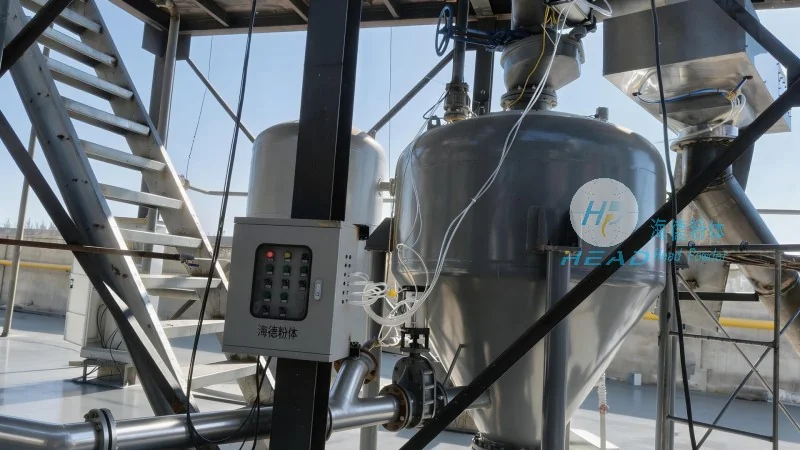
The desulfurization and dust removal fly ash pneumatic conveying system offered by Shandong HeadPowder Engineering Co., Ltd. is characterized by several notable features that enhance its performance and reliability. Firstly, the system is designed for high efficiency in conveying fly ash, with minimal material loss and low energy consumption. The use of appropriate air velocities and pipeline design ensures that the conveying process is both effective and economical. Secondly, the system is equipped with advanced control systems that allow for precise regulation of the conveying rate, pressure, and flow, enabling operators to adjust the system according to the specific requirements of the application. This flexibility is particularly important in industrial settings where the volume of fly ash may vary over time. Thirdly, the system incorporates robust materials and components that are resistant to corrosion and wear, ensuring long-term durability and low maintenance costs. The use of high-quality stainless steel or other corrosion-resistant materials in the construction of the hopper, feeder, and pipeline components helps to extend the service life of the equipment. Additionally, the system may include features such as automatic cleaning and maintenance functions, which help to reduce downtime and improve overall operational efficiency. Finally, the system is designed with safety in mind, incorporating features such as pressure relief valves, explosion-proof components, and emergency shutdown systems to protect personnel and equipment from potential hazards. These safety measures are in line with industry standards and regulations, ensuring that the system operates safely in industrial environments.