

Working Principle and Features of PVC Powder Conveying Equipment
Efficient handling and transportation of PVC powders in industrial processes demand specialized equipment engineered to address the unique properties of these materials. The working principle and features of PVC powder conveying systems are critical for ensuring smooth operations, maintaining product integrity, and optimizing production efficiency. This article explores the core mechanisms behind PVC powder conveying equipment and highlights the key attributes that define its performance.
Working Principle of PVC Powder Conveying Equipment
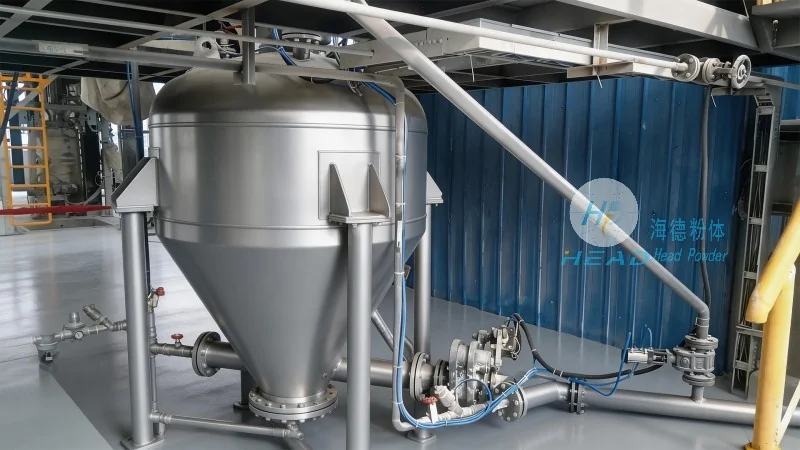
The fundamental working principle of PVC powder conveying systems centers on the mechanical or pneumatic movement of fine particles through a controlled environment. These systems are designed to manage the hygroscopic nature of PVC powders, their tendency to agglomerate, and the risk of dust generation during transport. The equipment typically integrates components such as hoppers, feeders, conveyors, and control mechanisms that work in concert to achieve consistent material flow.
One prevalent method is the use of screw or auger conveyors, which utilize rotating helical screws to push the powder forward. This approach is particularly effective for vertical or inclined transport, as it can handle both upward and downward movement without external power beyond the motor driving the screw. The screw's design—including pitch, diameter, and material—plays a crucial role in accommodating the flow characteristics of PVC powders, preventing clogging and ensuring smooth operation.
Another common technique is pneumatic conveying, which employs air or gas to transport the powder through a pipeline. This method is ideal for long-distance or high-volume transport, as it can move large quantities of material with minimal maintenance. The system typically comprises a blower, a hopper, and a receiver, with the powder drawn into the pipeline by the air flow. The design of the pipeline, including bends, filters, and pressure control, is vital to maintain efficiency and prevent particle degradation.
Key Features of PVC Powder Conveying Equipment
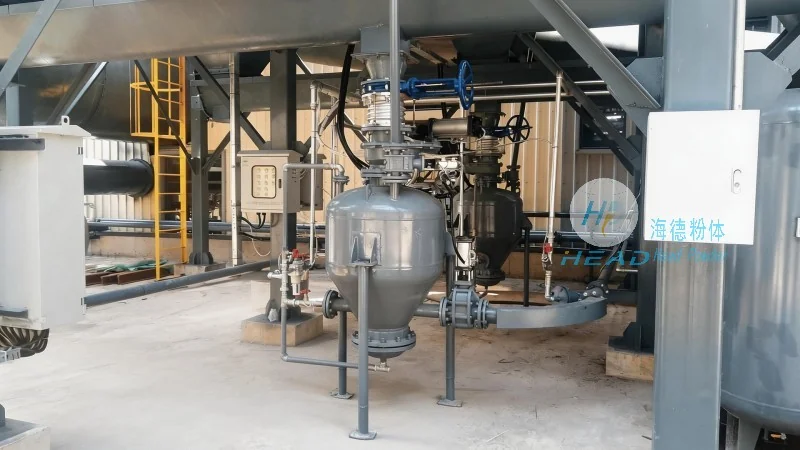
When assessing PVC powder conveying equipment, several defining features are essential for optimal performance. These attributes are tailored to address the specific challenges of handling PVC powders, ensuring safety, reliability, and product quality.
Firstly, the equipment must incorporate anti-clogging and self-cleaning mechanisms. This includes adjustable screw speeds, anti-static materials to prevent static charge buildup, and features that allow for easy maintenance. The ability to handle variations in powder flow—such as changes in moisture content or particle size—is critical, as it ensures consistent operation under diverse conditions.
Secondly, safety and environmental protection are paramount. Features like dust suppression systems, explosion-proof designs, and enclosed structures minimize emissions and ensure operational safety. The use of high-quality, corrosion-resistant materials (e.g., stainless steel or specialized alloys) is essential to withstand the chemical properties of PVC powders and maintain durability over time.
Thirdly, ease of maintenance and integration with existing production lines are key considerations. User-friendly control panels, accessible components for cleaning and inspection, and the capacity to integrate with automation systems enhance operational efficiency. Real-time monitoring of parameters such as flow rate and pressure enables quick adjustments and troubleshooting.
Application-Specific Adaptations
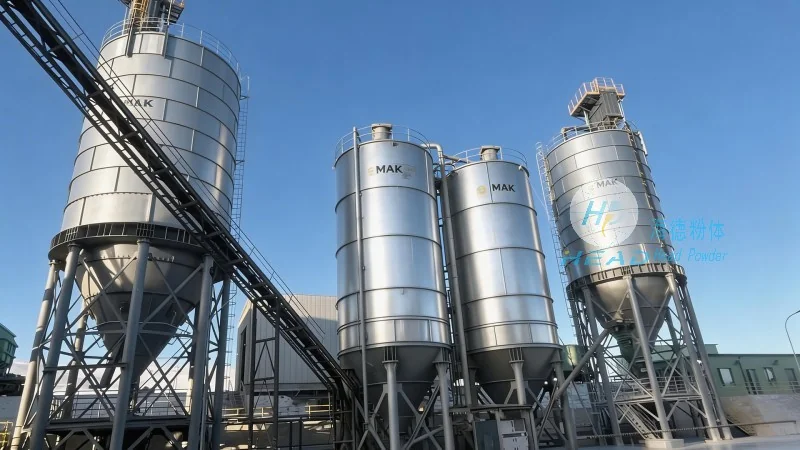
The working principle and features of PVC powder conveying equipment are often customized to meet the demands of specific applications, such as PVC pipe manufacturing, profile extrusion, or flooring production. For instance, in PVC pipe production, equipment may need to handle larger volumes and ensure consistent mixing with additives. Conversely, applications involving fine PVC powders for coatings or adhesives require precise control over particle size and flow consistency.
Companies specializing in PVC powder handling, such as Shandong HeadPowder Engineering Co., Ltd., leverage expertise in material science and engineering to develop tailored solutions. Their understanding of industry-specific requirements allows them to design equipment that optimizes performance, reduces downtime, and enhances overall productivity.
Conclusion
In conclusion, the working principle and features of PVC powder conveying equipment are centered on efficient material transport while addressing the unique challenges of PVC powders. By combining mechanical and pneumatic methods with advanced design features, these systems ensure reliable operation, safety, and product quality. For industrial applications requiring consistent and efficient handling of PVC powders, investing in high-quality conveying equipment from reputable manufacturers like Shandong HeadPowder Engineering Co., Ltd. is essential for maintaining operational efficiency and achieving production goals.