

Working Principle and Features of Cement Tanker Pneumatic Conveying Equipment
HeadPowder, a leading manufacturer based in Shandong, China, specializes in the design, production, and supply of advanced cement tanker pneumatic conveying equipment. This article delves into the working principle and key features of such machinery, providing a comprehensive overview for industry professionals and potential clients.
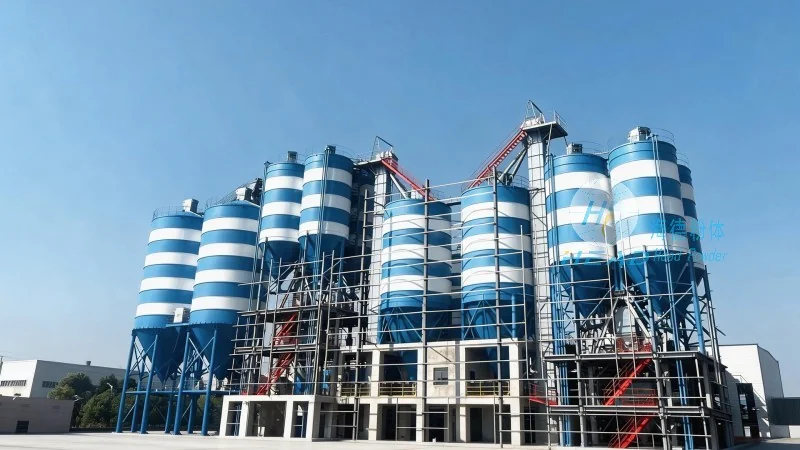
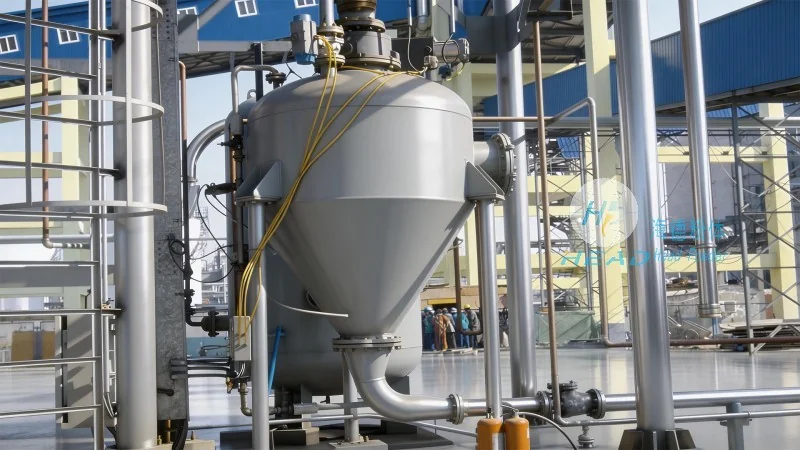
Working Principle of Cement Tanker Pneumatic Conveying Equipment
The cement tanker pneumatic conveying system operates on the principle of air pressure to transport bulk cement from storage silos to the point of use. The process typically involves several key components and steps. First, the cement is drawn from the storage silo by a high-pressure air stream generated by a blower or compressor. This air stream creates a negative pressure in the silo, causing the cement to be suctioned into the conveying line. The cement then travels through the pipeline under the force of the air flow, reaching the destination, such as a concrete mixing plant or construction site. The system often includes a filter and separator to remove any moisture or dust from the air, ensuring the cement remains dry and free from contaminants. The blower maintains the necessary air pressure and flow rate to ensure efficient and continuous conveying. This method eliminates the need for traditional mechanical conveying, such as belt or screw conveyors, which can be prone to blockages and maintenance issues.
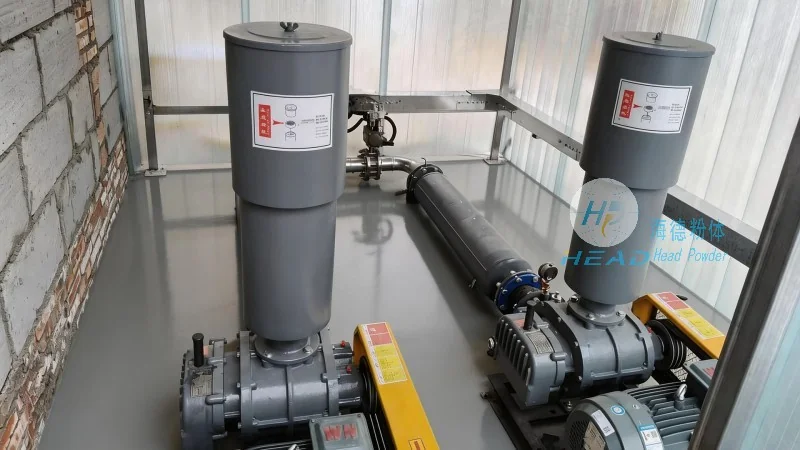
Key Features of Cement Tanker Pneumatic Conveying Equipment
HeadPowder's cement tanker pneumatic conveying equipment is designed with several notable features that enhance performance, reliability, and user experience. One of the primary features is the high efficiency of material transfer. The pneumatic system can transport large volumes of cement quickly and with minimal loss, reducing downtime and increasing productivity. The equipment is also highly flexible, allowing for easy reconfiguration of the conveying line to accommodate different layouts or operational needs. This adaptability is particularly valuable in construction sites where the location of the cement storage or the mixing plant may change. Another significant feature is the low maintenance requirement. Unlike mechanical conveyors, which require regular lubrication and part replacement, the pneumatic system has fewer moving parts and is less susceptible to wear and tear. This results in lower maintenance costs and longer service life. Additionally, the system is equipped with advanced control systems that allow for precise regulation of air pressure and flow, ensuring consistent and reliable cement delivery. The control panel provides real-time monitoring of the system's performance, enabling operators to quickly identify and address any issues. Safety is also a key consideration in the design of the equipment. The system includes safety valves and pressure relief mechanisms to prevent over-pressurization and ensure safe operation. Furthermore, the equipment is constructed from high-quality materials, such as stainless steel and corrosion-resistant alloys, which are resistant to the harsh environment of cement and moisture. This durability ensures that the equipment can withstand the rigors of continuous operation in industrial settings. The compact design of the machinery also contributes to its appeal, as it requires less space for installation and operation compared to traditional conveyors. This makes it suitable for both large-scale industrial applications and smaller construction sites where space is limited. The system's energy efficiency is another notable feature. By using air pressure to convey the cement, the equipment consumes less energy compared to mechanical systems that rely on motors and belts. This not only reduces operational costs but also aligns with sustainability goals in the industry. Finally, the equipment is designed for easy integration with existing infrastructure. It can be connected to existing silos and mixing plants without significant modifications, making it a cost-effective solution for upgrading or expanding existing operations. Overall, the cement tanker pneumatic conveying equipment from HeadPowder combines efficiency, reliability, and durability, making it an ideal choice for modern cement handling applications.
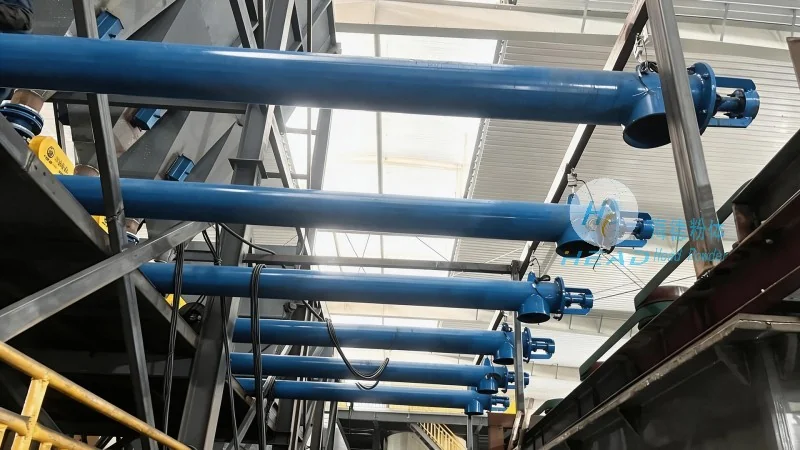
Conclusion
In conclusion, the cement tanker pneumatic conveying equipment from Shandong HeadPowder Engineering Co., Ltd. offers a superior solution for the efficient and reliable transport of bulk cement. The working principle, based on air pressure and suction, ensures high material transfer rates with minimal loss. The key features, including high efficiency, flexibility, low maintenance, advanced control systems, safety features, durability, compact design, energy efficiency, and easy integration, make this equipment a standout choice in the industry. For businesses seeking to optimize their cement handling processes, this machinery provides a robust and cost-effective solution. HeadPowder's commitment to quality and innovation ensures that their products meet the highest standards, delivering long-term value and performance.