When it comes to transporting aggregates, such as sand, gravel, and crushed stone, selecting the right conveying method is crucial for efficiency and operational success. The industry offers several options, each with its own set of advantages and limitations. Among these, pneumatic conveying stands out as a modern and effective solution, especially for applications requiring high precision and minimal environmental impact. This article explores the various aggregate conveying methods and highlights the key benefits of pneumatic systems, with a focus on the expertise of Shandong HeadPowder Engineering Co., Ltd., a leading provider in the field.
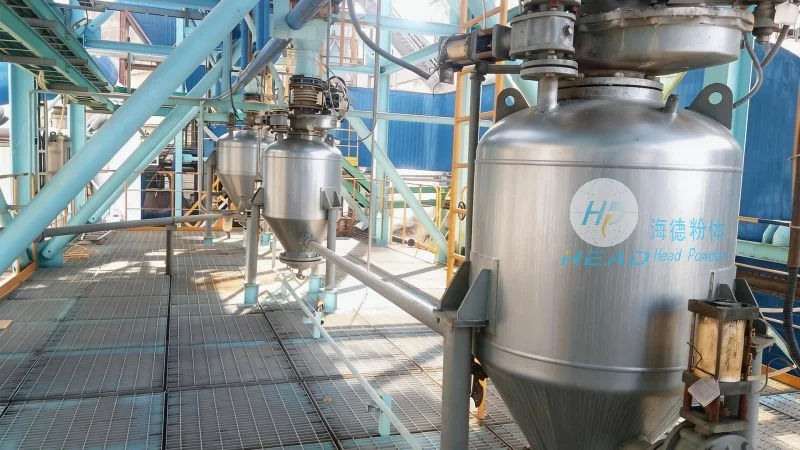
Types of Aggregate Conveying Methods
Aggregate conveying encompasses a range of techniques designed to move bulk materials from one location to another. The primary methods include mechanical conveyors like belt conveyors, screw conveyors, and bucket elevators, as well as pneumatic systems. Each method has distinct characteristics that make it suitable for specific scenarios. For instance, belt conveyors are ideal for long-distance horizontal transport but may generate dust and require regular maintenance. Screw conveyors are compact and suitable for vertical or inclined transport but have limitations in handling abrasive materials. Bucket elevators are effective for vertical lifting but can be noisy and prone to wear. In contrast, pneumatic conveying offers a more flexible and dust-free alternative, particularly for sensitive or high-value aggregates.
Pneumatic Conveying: How It Works
Pneumatic conveying operates by using air pressure to transport materials through a pipeline. The system typically consists of a hopper for material storage, a blower or compressor to generate airflow, and a pipeline network that directs the material to its destination. There are two main types of pneumatic systems: pressure and vacuum. Pressure systems use compressed air to push material forward, while vacuum systems use suction to draw material into the pipeline. The choice between the two depends on the distance, material characteristics, and system layout. For aggregates, pressure systems are often preferred due to their ability to handle larger particles and longer distances without significant pressure loss.
Key Advantages of Pneumatic Conveying for Aggregates
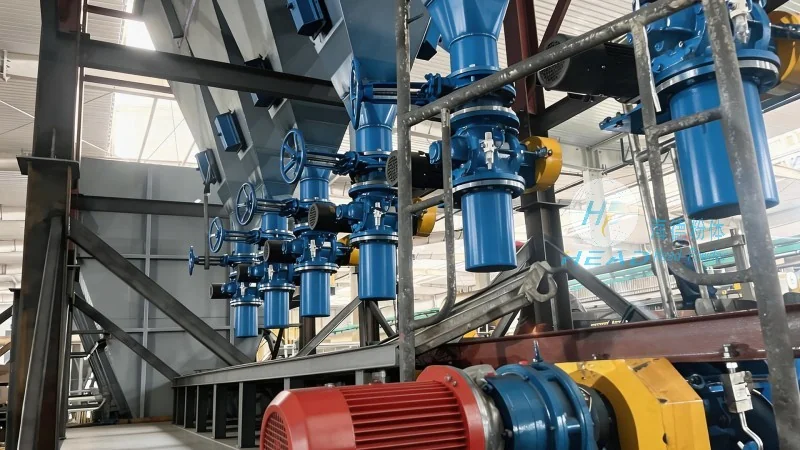
Shandong HeadPowder Engineering Co., Ltd. specializes in designing and manufacturing advanced pneumatic conveying systems tailored to the needs of the aggregate industry. The advantages of these systems are multifaceted and significantly impact operational efficiency. One of the most notable benefits is the elimination of dust and contamination. Unlike mechanical conveyors, pneumatic systems keep the material enclosed within the pipeline, preventing exposure to the environment and reducing health hazards for workers. This feature is particularly important for aggregates used in construction, where quality and purity are critical. Additionally, pneumatic conveying offers high flexibility in terms of layout and routing. The pipeline can be easily reconfigured or extended to accommodate changes in production processes or facility expansions, without the need for extensive civil works. This adaptability reduces downtime and construction costs, making it a cost-effective solution in the long run.
Technical Features and Performance Metrics
The performance of pneumatic conveying systems is determined by several technical parameters, including air velocity, pressure drop, and material flow rate. Shandong HeadPowder Engineering Co., Ltd. employs advanced engineering principles to optimize these parameters for each application. For example, the air velocity must be sufficient to keep the material in suspension but not so high as to cause excessive wear on the pipeline or increase energy consumption. The pressure drop across the system is another critical factor, as it affects the blower or compressor capacity required. By carefully calculating these metrics, the company ensures that its systems deliver reliable and consistent performance, even under varying load conditions. Furthermore, the systems are designed with durable materials, such as stainless steel or special alloys, to withstand the abrasive nature of aggregates and extend their service life. This attention to detail results in lower maintenance costs and higher overall productivity for clients.
Applications in the Construction and Aggregate Industry
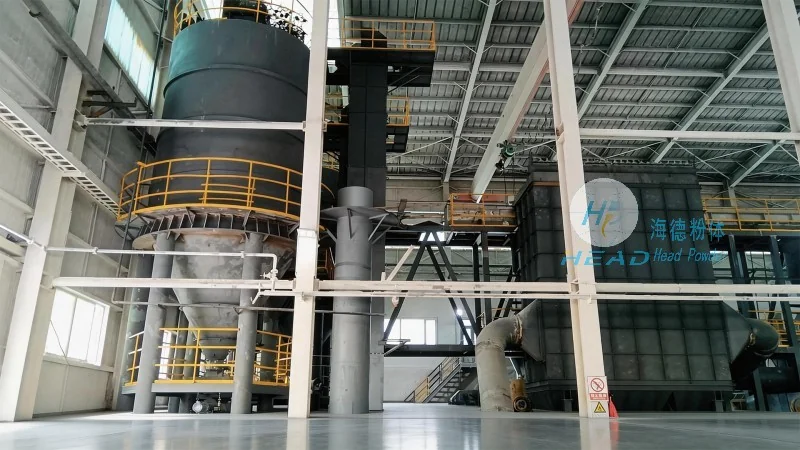
Pneumatic conveying systems are widely used in various applications within the construction and aggregate sector. In concrete batching plants, for instance, they efficiently transport sand, gravel, and cement from storage silos to the mixing area, ensuring precise dosing and reducing material loss. Similarly, in asphalt production facilities, pneumatic systems handle aggregates for road construction, maintaining consistent quality and minimizing downtime. The systems are also employed in recycling operations, where they transport recycled aggregates from sorting lines to processing units. The versatility of pneumatic conveying makes it suitable for both new construction projects and retrofitting existing facilities, providing a seamless integration into existing workflows. Shandong HeadPowder Engineering Co., Ltd. has successfully implemented such systems for numerous clients, helping them achieve higher efficiency and compliance with environmental regulations.
Conclusion and Company Overview
In conclusion, pneumatic conveying represents a superior method for transporting aggregates, offering significant advantages over traditional mechanical systems. The ability to maintain dust-free conditions, enhance operational flexibility, and improve material handling efficiency makes it an attractive choice for modern industrial applications. Shandong HeadPowder Engineering Co., Ltd. plays a pivotal role in this field, providing comprehensive solutions that meet the evolving needs of the aggregate industry. With its commitment to innovation and quality, the company continues to be a trusted partner for businesses seeking reliable and efficient conveying systems. Based in Shandong, China, HeadPowder Engineering Co., Ltd. leverages its expertise to deliver tailored solutions that enhance productivity and sustainability in aggregate processing.




