

Denitrification Urea Pneumatic Conveying Design Calculation and Equipment Selection
Shandong HeadPowder Engineering Co., Ltd. specializes in providing comprehensive solutions for denitrification urea pneumatic conveying systems. This article focuses on the design calculation and equipment selection for such systems, ensuring efficient and reliable operation in industrial applications.
Introduction to Denitrification Urea Pneumatic Conveying
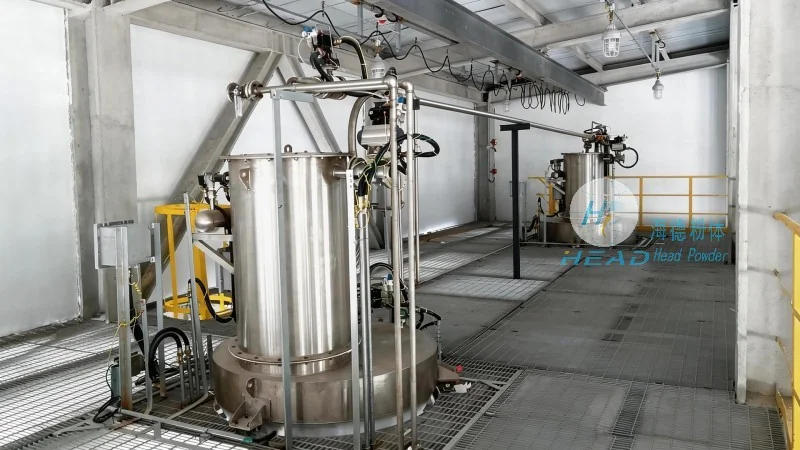
Denitrification urea, a critical component in flue gas desulfurization (FGD) processes, requires precise handling and transportation. Pneumatic conveying offers an effective method to transport urea from storage to application points, minimizing dust generation and ensuring consistent material flow. The design of a pneumatic conveying system for denitrification urea involves careful consideration of material properties, system layout, and operational parameters to achieve optimal performance.
Key Design Calculations for Pneumatic Conveying Systems
The design of a denitrification urea pneumatic conveying system begins with fundamental calculations to determine system requirements. These calculations include determining the required air velocity, pressure drop, and power consumption. The air velocity must be sufficient to overcome the gravitational and frictional forces acting on the urea particles, ensuring stable transport. Pressure drop calculations help in selecting appropriate duct sizes and components to minimize energy loss. Power consumption is calculated based on the mass flow rate of urea and the required air velocity, which directly impacts the overall system efficiency.
Equipment Selection for Denitrification Urea Pneumatic Conveying
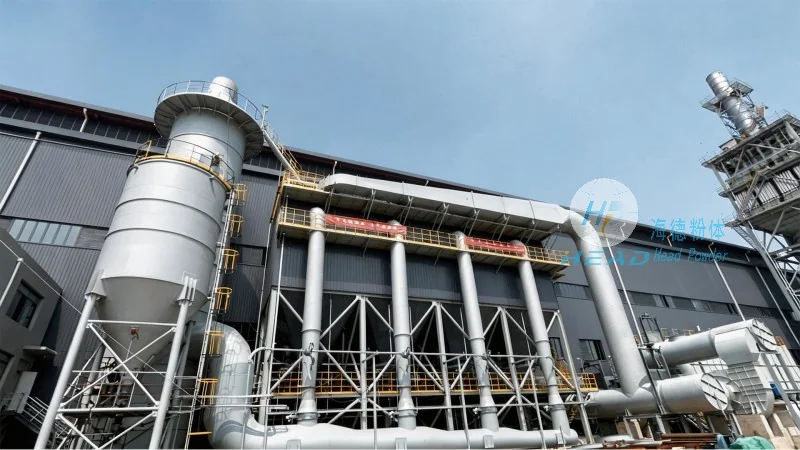
Equipment selection is a critical step in the design of a denitrification urea pneumatic conveying system. The choice of components, such as feeders, ducts, and air movers, is based on the material characteristics and system requirements. Feeders, such as rotary valves or screw feeders, are selected to provide a consistent flow rate of urea into the conveying line. Ducts are designed with appropriate diameters and materials to handle the urea particles without causing excessive wear or blockages. Air movers, including blowers or fans, are selected based on the required air volume and pressure to ensure efficient transport. Additionally, components like cyclones and filters are included to separate the urea from the air stream and prevent dust emissions.
System Layout and Integration Considerations
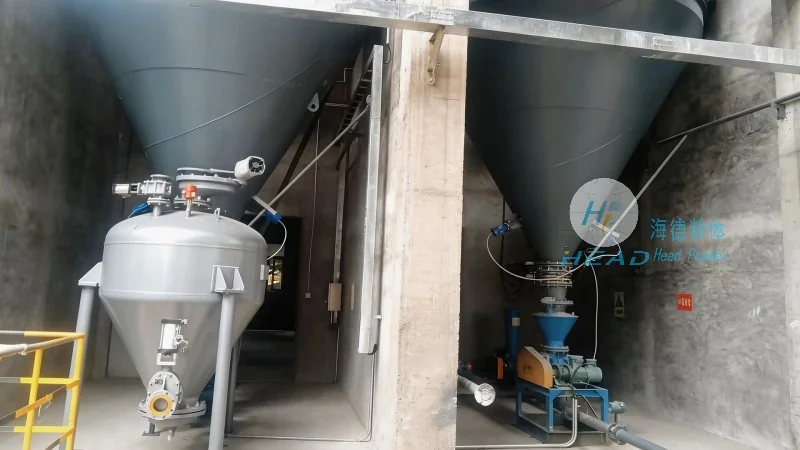
The layout of the denitrification urea pneumatic conveying system is designed to optimize material flow and minimize energy consumption. The system typically includes a storage silo, a feeder, a conveying duct, and a discharge point. The distance and elevation changes between these components are considered to determine the required air pressure and velocity. Integration with existing FGD systems is also important, ensuring that the pneumatic conveying system works in harmony with other equipment to maintain overall plant efficiency. Proper sealing and maintenance of components are essential to prevent leaks and ensure long-term operation.
Advantages of Pneumatic Conveying for Denitrification Urea
Pneumatic conveying offers several advantages over traditional methods for transporting denitrification urea. It provides a dust-free environment, reducing the risk of inhalation hazards and contamination. The system is also flexible, allowing for changes in material flow rates and system layout as needed. Additionally, pneumatic conveying can handle a wide range of particle sizes and densities, making it suitable for various industrial applications. The ability to transport urea over long distances without the need for intermediate storage or handling reduces operational costs and improves overall system reliability.
Conclusion and Company Expertise
Shandong HeadPowder Engineering Co., Ltd. provides expert design and equipment selection services for denitrification urea pneumatic conveying systems. By following the principles outlined in this article, industrial facilities can achieve efficient, reliable, and cost-effective transportation of denitrification urea. The company's expertise in material handling and pneumatic conveying systems ensures that each project is tailored to meet specific operational requirements, delivering optimal performance and long-term value.