A small bag dust-free feeding station powder conveying line is a specialized industrial equipment designed for efficient and safe handling of powders from small bags. It integrates dust-free feeding, material transfer, and storage functions to ensure high purity and minimal contamination in the production process. This equipment is particularly valuable in industries such as pharmaceuticals, food processing, chemicals, and agriculture, where maintaining product quality and worker safety is paramount. The following article explores the definition, core components, and design principles of this technology, providing a comprehensive understanding of its role in modern manufacturing.
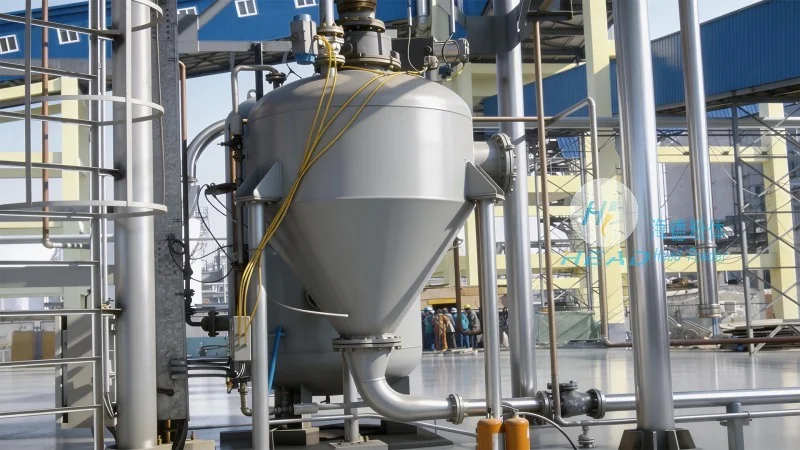
HeadPowder: A Leading Manufacturer of Powder Processing Solutions
HeadPowder, formally known as Shandong HeadPowder Engineering Co., Ltd., is a professional enterprise based in Shandong, China, dedicated to the research, development, and production of advanced powder handling equipment. The company specializes in providing customized solutions for various industries, including chemical, pharmaceutical, food, and industrial applications. HeadPowder's commitment to innovation, precision engineering, and customer satisfaction has established it as a trusted partner in the global market. The company's product line includes dust-free feeding stations, conveying systems, and related accessories, all engineered to meet stringent industry standards and enhance operational efficiency.
Key Components and Operational Functionality of a Small Bag Dust-Free Feeding Station
The small bag dust-free feeding station typically comprises several interconnected components that work together to achieve dust-free material transfer. The primary elements include a bag opening mechanism, a hopper for collecting discharged powder, a dust collection system, and a conveying unit. The bag opening system is designed to safely and hygienically open the bag, often utilizing cutting tools and vacuum assistance to minimize dust generation. Once the bag is opened, the powder is transferred into the hopper, where it is then moved to the conveying system—usually a pneumatic or mechanical conveyor that transports the material to the subsequent processing stage. The integration of these components ensures a seamless flow of material while maintaining a controlled environment.
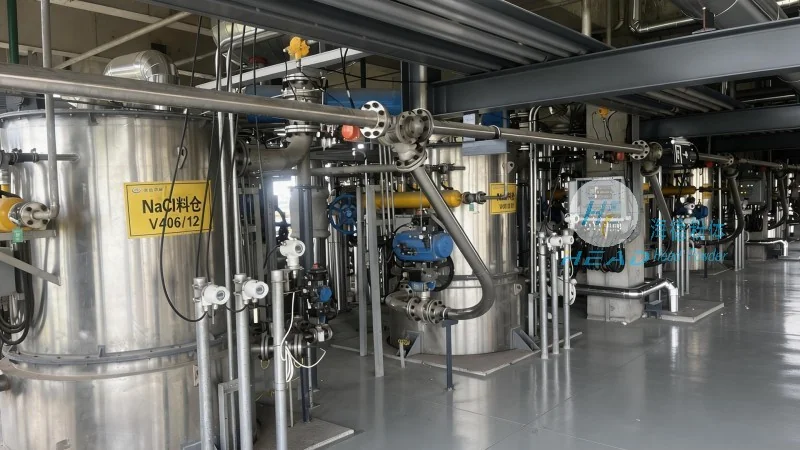
Design Principles for Effective Dust Control and Material Handling
The design of a small bag dust-free feeding station is centered on minimizing dust exposure and ensuring complete containment of the powder. Several key principles guide this design: first, the use of sealed and enclosed systems that prevent dust from escaping into the surrounding environment. Second, the incorporation of efficient dust collection systems, such as cyclones or bag filters, to capture any airborne particles. Third, the implementation of positive pressure or vacuum systems to control airflow and prevent contamination. Additionally, the materials used in the construction of the feeding station are often non-porous and easy to clean, ensuring that the equipment remains hygienic and compliant with industry regulations like GMP (Good Manufacturing Practice) in pharmaceuticals. These design choices collectively contribute to a safe and efficient operation.
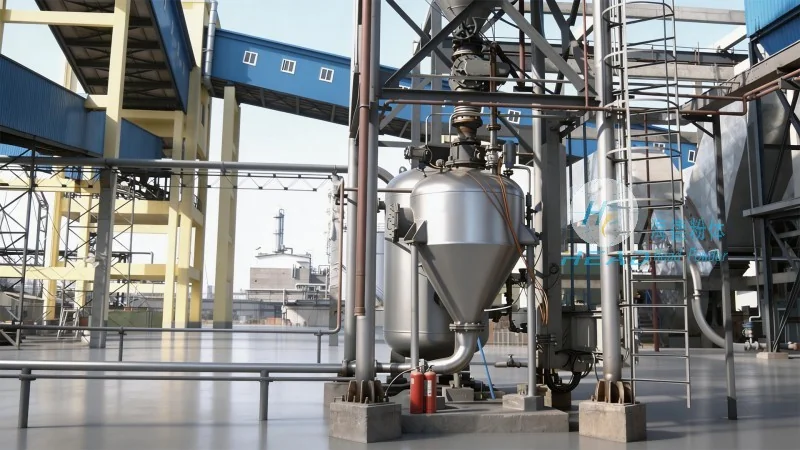
Advantages of Implementing Small Bag Dust-Free Feeding Stations
Adopting a small bag dust-free feeding station offers significant benefits for industrial operations. By reducing dust exposure, these systems enhance workplace safety and help companies comply with environmental regulations. They also improve product quality by preventing contamination from external particles, which is critical in industries like pharmaceuticals and food processing where product purity directly impacts consumer health and regulatory compliance. Furthermore, the efficient design of these stations minimizes material waste and maximizes throughput, leading to cost savings and increased productivity. The compact and modular nature of many models allows for easy integration into existing production lines, making them a flexible solution for various manufacturing needs. Additionally, the advanced technology used in these systems can adapt to different powder types and bag sizes, providing versatility in application.
Application Examples and Industry Use Cases
Small bag dust-free feeding stations are widely utilized across multiple sectors. In the pharmaceutical industry, they are essential for handling active pharmaceutical ingredients (APIs) and excipients, ensuring that the final drug product is free from contaminants and meets strict quality standards. In the food industry, they are used to process ingredients like flour, sugar, and spices, maintaining the purity and safety of the end product. The chemical industry also benefits from these systems when handling raw materials such as powders for coatings or pigments. Additionally, in the agricultural sector, they can be used for handling fertilizers or pesticides, improving the efficiency of material handling while reducing environmental impact. Each application leverages the dust-free design to maintain product integrity and operational safety.




