What is an Unmanned Powder Feeding and Conveying Line? What Are Its Design Principles?
Release time:2026-09-15 15:01:14
name of the company:Shandong Headpowder Engineering Co., Ltd.
telephone:156-6277-7102
contacts:Zhang manager
Unmanned powder feeding and conveying lines represent a sophisticated solution in the field of bulk material handling, designed to automate the process of transporting and feeding powders without human intervention. These systems are integral to industries that rely on consistent and reliable material transfer, such as pharmaceuticals, food processing, and chemical manufacturing. Understanding the core components and design principles of such lines is crucial for optimizing operational efficiency and ensuring product integrity.
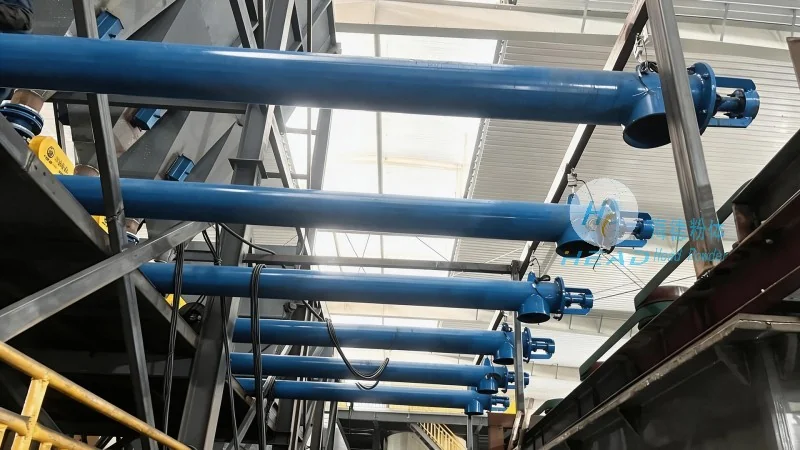
Introduction to Unmanned Powder Feeding and Conveying Lines
At the heart of modern industrial operations, unmanned powder feeding and conveying lines are engineered to streamline the movement of bulk powders from storage to processing equipment. Unlike traditional manual systems, these automated solutions eliminate the need for human operators to handle potentially hazardous or sensitive materials, reducing the risk of contamination and improving overall safety. The primary goal of these lines is to provide a continuous, controlled flow of material, ensuring that downstream processes receive a consistent feed rate without interruptions.
Key Components of an Unmanned Powder Feeding and Conveying System
Unmanned powder feeding and conveying lines typically consist of several interconnected components that work in harmony to achieve efficient material transfer. These components include:
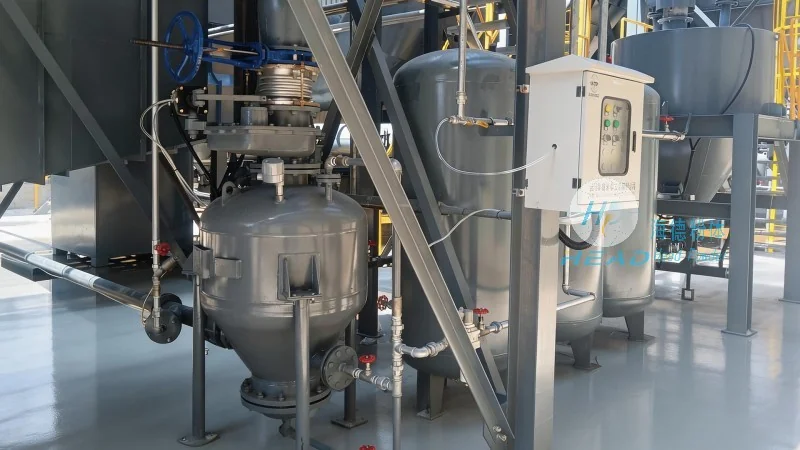
- Powder Storage: Often housed in silos or hoppers, these storage vessels are designed to hold large quantities of material while maintaining proper aeration to prevent caking or bridging.
- Feeding Equipment: Devices such as rotary valves, screw feeders, or vibratory feeders are used to control the flow rate of the powder from the storage vessel to the conveyor system. These components are critical for regulating the amount of material released at any given time.
- Conveying Systems: Depending on the application, conveying methods may include pneumatic systems (air-assisted transport), mechanical conveyors (e.g., belt or chain conveyors), or a combination of both. Pneumatic systems are particularly effective for transporting fine powders over longer distances, while mechanical systems are suitable for bulkier materials.
- Control Systems: Advanced control panels and software manage the entire operation, monitoring parameters such as flow rate, pressure, and temperature. These systems can be integrated with sensors to detect blockages or other issues, triggering automatic responses to maintain system stability.
Design Principles Behind Unmanned Powder Feeding and Conveying Lines
The design of an unmanned powder feeding and conveying line is guided by several key principles aimed at maximizing efficiency, reliability, and safety. These principles include:
- Material Compatibility: The design must consider the physical and chemical properties of the powder being handled, such as particle size, moisture content, and flowability. Materials that are prone to caking or agglomeration may require specialized equipment, like agitators or pre-drying systems, to maintain optimal flow characteristics.
- System Integration: The line is designed to integrate seamlessly with existing production processes, ensuring that the feeding and conveying operations align with downstream equipment requirements. This includes matching the feed rate to the processing capacity of the equipment, minimizing downtime and waste.
- Automation and Control: Automation is a central design feature, allowing for real-time monitoring and adjustment of system parameters. This not only enhances operational efficiency but also reduces the need for manual intervention, lowering labor costs and improving safety.
- Safety and Compliance: The design adheres to industry safety standards and regulations, incorporating features such as dust suppression systems, explosion-proof components, and emergency stop mechanisms. These measures protect both personnel and equipment from potential hazards associated with powder handling.
Benefits of Implementing Unmanned Powder Feeding and Conveying Lines
Adopting an unmanned powder feeding and conveying line offers numerous advantages for industrial operations. These benefits include:
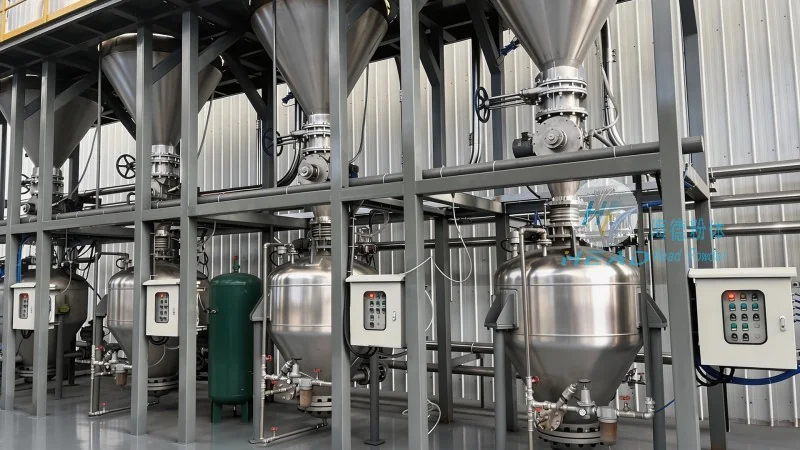
- Increased Efficiency: Automated systems provide consistent and continuous material flow, reducing downtime and improving overall production throughput.
- Enhanced Product Quality: By minimizing human contact with the material, the risk of contamination is significantly reduced, ensuring that the final product meets stringent quality standards.
- Improved Safety: Eliminating manual handling of powders eliminates the risk of exposure to dust or other hazards, creating a safer working environment.
- Cost Savings: Automation reduces labor costs and minimizes material waste, leading to long-term cost savings for the organization.
- Scalability: These systems can be easily scaled to accommodate changes in production volume or material types, providing flexibility for growing businesses.
Company Overview: Shandong HeadPowder Engineering Co., Ltd.
Shandong HeadPowder Engineering Co., Ltd., a leading provider of bulk material handling solutions, specializes in designing and manufacturing unmanned powder feeding and conveying lines tailored to the specific needs of various industries. With a strong commitment to innovation and quality, the company has established itself as a trusted partner for businesses seeking to enhance their material handling processes. HeadPowder's expertise lies in integrating advanced technology with practical engineering solutions to deliver reliable, efficient, and cost-effective systems.
Location and Accessibility
HeadPowder Engineering is headquartered in Shandong, China, a region known for its robust industrial infrastructure and manufacturing capabilities. The company's location provides easy access to major transportation networks, facilitating the delivery of equipment and supporting components to clients across the country and beyond. This strategic positioning enables HeadPowder to serve a wide range of industries, from pharmaceuticals to food processing, with timely and efficient service.




