

What is a Caustic Soda Powder Conveying Line? What Are Its Design Principles?
Caustic soda, also known as sodium hydroxide, is a widely used chemical in various industrial processes. The efficient and safe transportation of caustic soda powder is crucial for industrial operations, and this is where specialized conveying lines come into play. A caustic soda powder conveying line is a system designed to handle the bulk movement of caustic soda powder from storage to processing units or other destinations within an industrial facility. These systems are engineered to ensure reliable, safe, and efficient material handling, addressing the unique challenges posed by caustic soda powder, such as its corrosive nature and potential for dust generation.
Key Design Principles of Caustic Soda Powder Conveying Lines
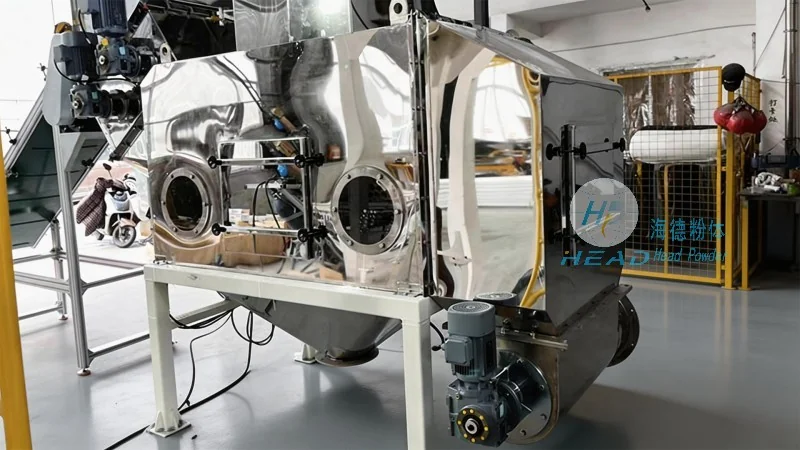
At the core of any caustic soda powder conveying line is a combination of components that work together to achieve the desired material transport. The design principles of these systems are centered on several key factors, including material handling efficiency, safety, and durability. The system typically includes components like hoppers, feeders, conveyors (such as screw conveyors, pneumatic conveyors, or bucket elevators), and control systems. Each component is selected based on the specific characteristics of caustic soda powder, including its particle size, moisture content, and flowability. The design also considers the need for corrosion resistance, as caustic soda is highly corrosive and can damage standard equipment if not properly protected.
Preventing Dust and Ensuring Safety
One of the primary design considerations is the prevention of dust generation and the control of dust exposure. Caustic soda powder is a fine, powdery substance that can create airborne dust, which poses health and safety risks. Therefore, conveying lines are often equipped with dust collection systems, such as cyclones or baghouses, to capture and contain the dust. Additionally, the use of sealed and enclosed equipment helps to minimize dust emissions and maintain a safe working environment. The design also focuses on ensuring that the system can handle the material's flow characteristics, which may vary depending on factors like moisture content and particle size. For example, if the powder is too dry or has poor flowability, the system may incorporate vibrators or agitators to improve its flow properties before transport.
Materials and Corrosion Resistance
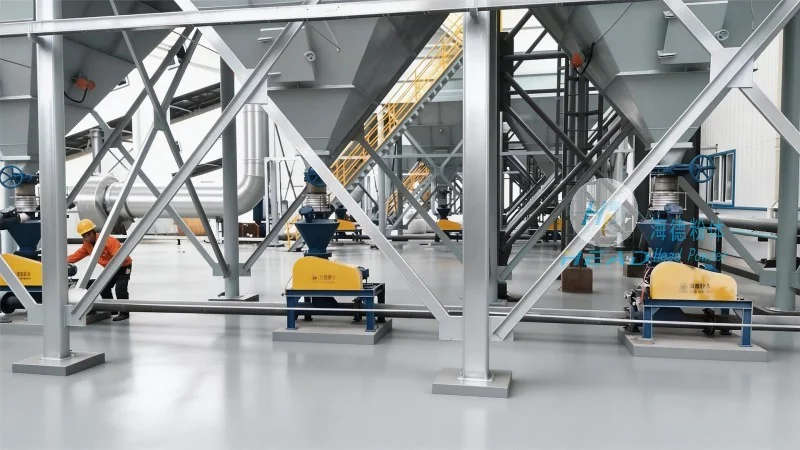
Another critical aspect of the design is the selection of appropriate materials for the equipment. Since caustic soda is highly corrosive, the conveying line components must be made from materials that can withstand exposure to the chemical. Common materials used include stainless steel (especially 316 or 316L grades), polyethylene, or other corrosion-resistant alloys. The choice of material depends on the specific application and the concentration of caustic soda being handled. For instance, in high-concentration applications, more robust materials like Hastelloy or titanium may be required to prevent corrosion and ensure long-term system performance.
Control Systems and Automation
The control system of a caustic soda powder conveying line plays a vital role in ensuring smooth and safe operation. Modern systems often use programmable logic controllers (PLCs) to monitor and control the flow of material, adjust conveyor speeds, and manage the dust collection system. Sensors are also integrated into the system to detect levels of material in hoppers, detect blockages, and provide real-time feedback to the control system. This automation helps to prevent overfilling, underfilling, or blockages, which can lead to system downtime or safety hazards. The control system may also include emergency stop buttons and interlocks to ensure that the system can be quickly shut down in case of an emergency.
System Layout and Integration
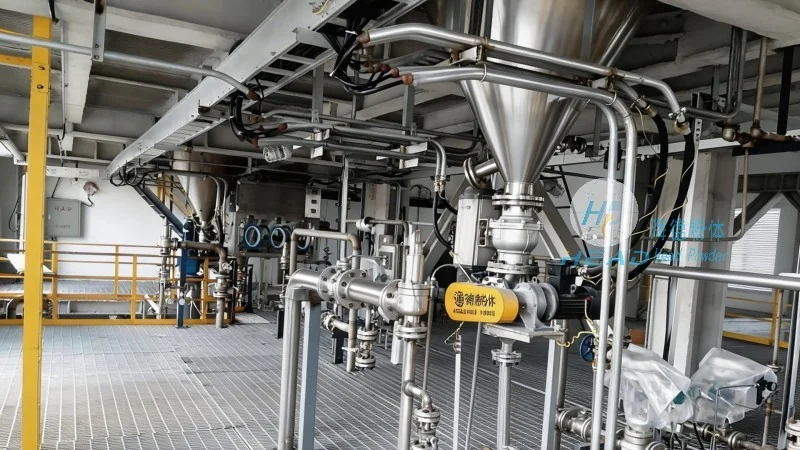
When designing a caustic soda powder conveying line, engineers must also consider the overall layout and integration with the existing industrial facility. The system should be designed to fit seamlessly into the production process, minimizing the need for additional space or modifications to the existing infrastructure. The layout may include multiple conveying lines or a network of interconnected components to handle different material flows or processing stages. The design process involves careful planning and simulation to ensure that the system meets all operational requirements and safety standards. This includes compliance with local regulations and industry best practices for handling hazardous materials.
HeadPowder: Expert in Caustic Soda Conveying Solutions
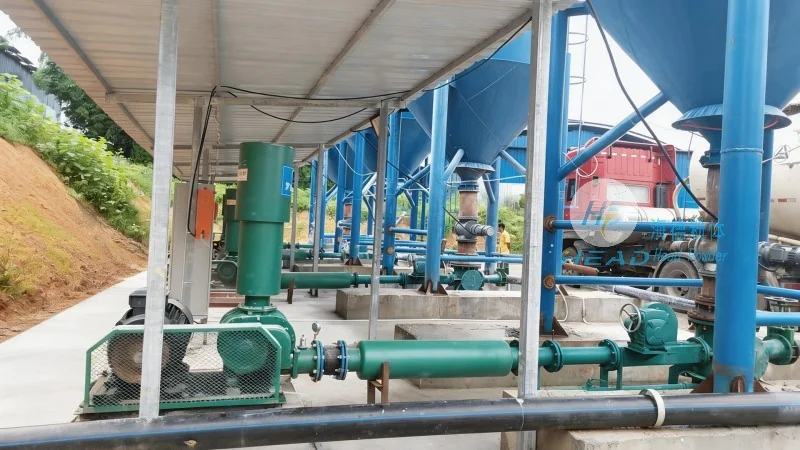
HeadPowder, a leading manufacturer of industrial conveying systems, specializes in designing and manufacturing caustic soda powder conveying lines tailored to the specific needs of their clients. With years of experience in the industry, HeadPowder understands the unique challenges associated with handling caustic soda powder and has developed advanced solutions to address them. The company's products are engineered to provide reliable, efficient, and safe material handling, with a focus on durability and corrosion resistance. HeadPowder's team of engineers works closely with clients to understand their operational requirements and design systems that meet their specific needs, ensuring optimal performance and minimal downtime.
Shandong HeadPowder Engineering Co., Ltd.
Shandong HeadPowder Engineering Co., Ltd., the full name of HeadPowder, is a professional enterprise based in Shandong, China. The company is committed to providing high-quality industrial conveying solutions, including caustic soda powder conveying lines, to clients worldwide. With a strong focus on research and development, HeadPowder continuously improves its products to meet the evolving needs of the industry. The company adheres to strict quality control standards and ensures that all products are manufactured to the highest specifications. HeadPowder's products are widely used in various industries, including chemical manufacturing, pulp and paper, and water treatment, where caustic soda is a critical component in the production process.