Chromium(III) oxide, commonly known as chromium(III) oxide powder, is a widely used inorganic compound with applications in various industries, including pigments, catalysts, and electronics. Efficient handling and transportation of this powder are critical for maintaining product quality and operational efficiency. This article explores the fundamentals of chromium(III) oxide powder handling systems and the key design principles that ensure safe and effective operation.
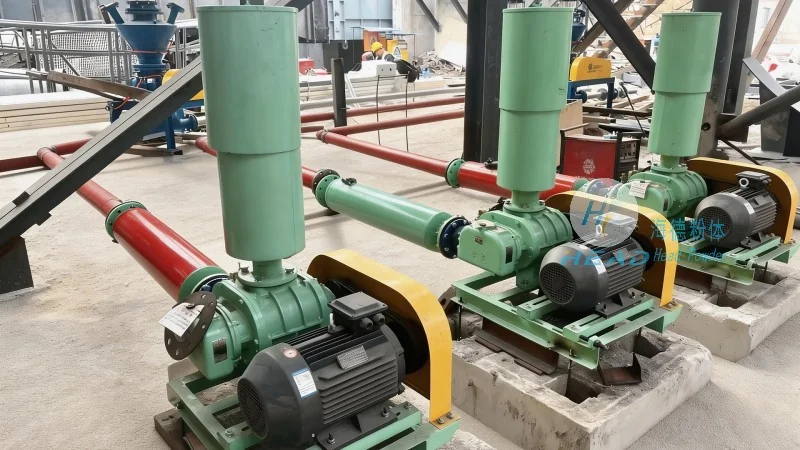
About HeadPowder Engineering Co., Ltd.
HeadPowder Engineering Co., Ltd., a leading provider of powder handling solutions, specializes in designing and manufacturing systems tailored to the unique needs of industrial applications. With a focus on innovation and reliability, HeadPowder offers comprehensive solutions for the safe and efficient transport of powders like chromium(III) oxide. The company is headquartered in Shandong, China, and has established a strong reputation for delivering high-quality equipment and expert consultation to clients worldwide.
Understanding Chromium(III) Oxide Powder Handling
Chromium(III) oxide powder handling involves the movement of this fine powder from storage to processing or packaging areas. The primary challenges in handling such powders include preventing agglomeration, minimizing dust generation, and ensuring consistent flow. Effective handling systems must address these challenges to maintain product integrity and operational safety. Key components of a typical powder handling system include storage silos, conveying equipment (such as screw conveyors or pneumatic systems), and control mechanisms for regulating flow rates.
Design Principles for Chromium(III) Oxide Powder Handling Systems
The design of chromium(III) oxide powder handling systems is guided by several critical principles to ensure optimal performance and safety. First, material compatibility is paramount. Since chromium(III) oxide can be abrasive and may react with certain materials, the system components must be constructed from corrosion-resistant and wear-resistant materials, such as stainless steel or specialized alloys. This prevents contamination and equipment degradation over time.
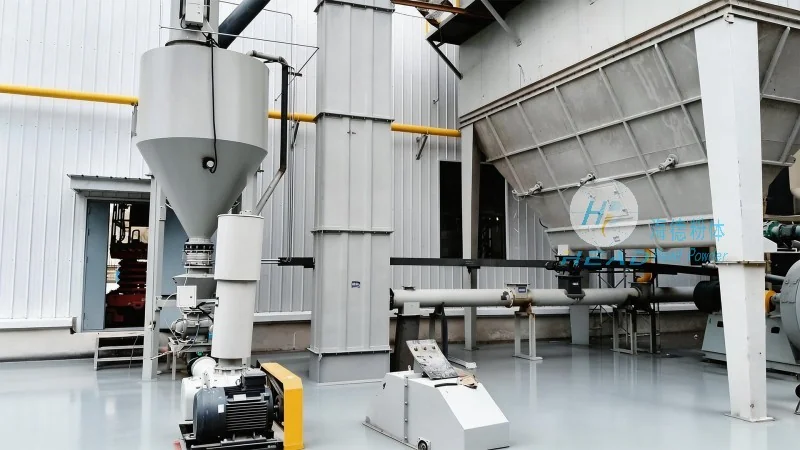
Second, the system must be designed to minimize dust exposure. This is achieved through the use of sealed containers, proper ventilation systems, and dust collection equipment. Effective dust control not only protects personnel health but also prevents product loss and environmental contamination. Third, the system should incorporate flow control mechanisms to regulate the speed and quantity of powder movement. This ensures consistent processing and prevents overloading or underloading of downstream equipment.
Fourth, the design must consider the specific properties of chromium(III) oxide powder. The powder's particle size, density, and flow characteristics influence the choice of conveying method. For example, if the powder is fine and prone to bridging, a pneumatic conveying system may be more suitable than a screw conveyor. The system design must also account for the potential for static electricity, as fine powders can accumulate charge and cause sparks. Proper grounding and anti-static measures are therefore essential components of the design.
Key Components of a Chromium(III) Oxide Powder Handling System
A typical chromium(III) oxide powder handling system consists of several interconnected components, each playing a vital role in the overall operation. The storage silo is the initial component, where the powder is stored under controlled conditions to prevent moisture absorption and degradation. The silo is equipped with a discharge valve that allows controlled release of the powder into the conveying system.
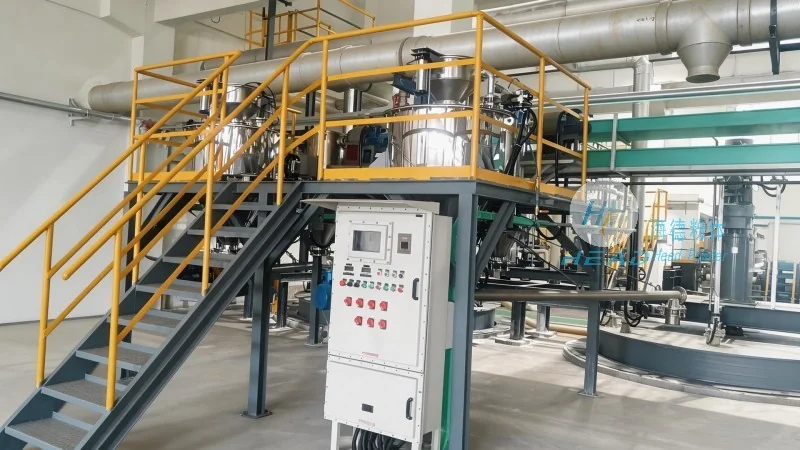
The conveying equipment, such as a screw conveyor or a pneumatic pipeline, transports the powder from the silo to the processing area. Screw conveyors are commonly used for horizontal or slight incline transport, providing a continuous and reliable flow. Pneumatic systems, on the other hand, use compressed air to move the powder through a pipeline, which is ideal for long-distance or vertical transport. The choice of conveying method depends on factors such as the powder's properties, the distance to be covered, and the required flow rate.
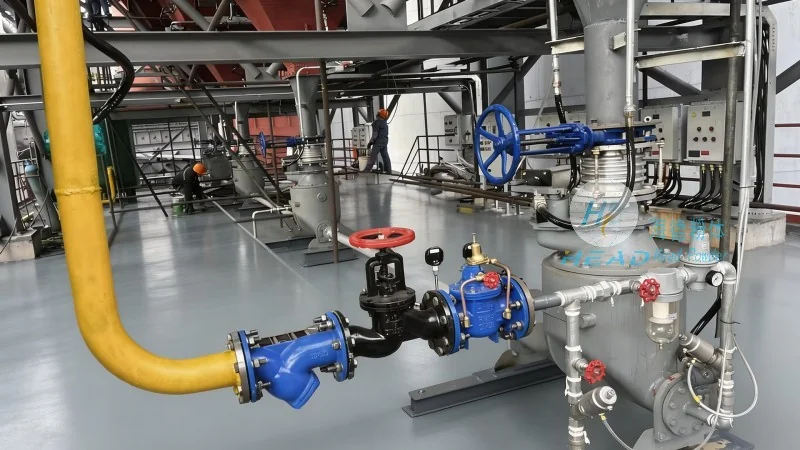
The control system is another critical component, responsible for regulating the flow rate and ensuring the system operates within safe parameters. This includes sensors for monitoring powder level, pressure, and temperature, as well as control valves and actuators that adjust the flow as needed. The control system may also include safety features, such as emergency shut-off valves, to prevent accidents in case of equipment failure or abnormal conditions.
Benefits of Proper Chromium(III) Oxide Powder Handling
Implementing a well-designed chromium(III) oxide powder handling system offers numerous benefits to industrial operations. First, it enhances product quality by maintaining the powder's integrity throughout the handling process. This is crucial for applications where the powder's purity and particle size distribution are critical, such as in pigment manufacturing or catalyst production. Second, efficient handling reduces operational costs by minimizing downtime and equipment wear. Properly designed systems require less maintenance and have longer service lives, leading to lower overall operational expenses.
Third, a safe handling system protects personnel and the environment from the risks associated with handling fine powders. By controlling dust and preventing static electricity, the system reduces the likelihood of respiratory issues or fire hazards. Additionally, proper containment and waste management practices ensure compliance with environmental regulations and minimize the impact on the surrounding environment.
Fourth, the system's design flexibility allows for adaptation to changing production needs. As production volumes or product specifications change, the system can be adjusted to meet new requirements without significant modifications. This adaptability makes the system a long-term investment that can grow with the business.




