Welcome to Shandong HeadPowder Engineering Co., Ltd., a leading provider of specialized conveying solutions for potato powder and similar fine powders. This article explores the fundamental aspects of potato powder conveying systems, focusing on their design principles and operational efficiency.
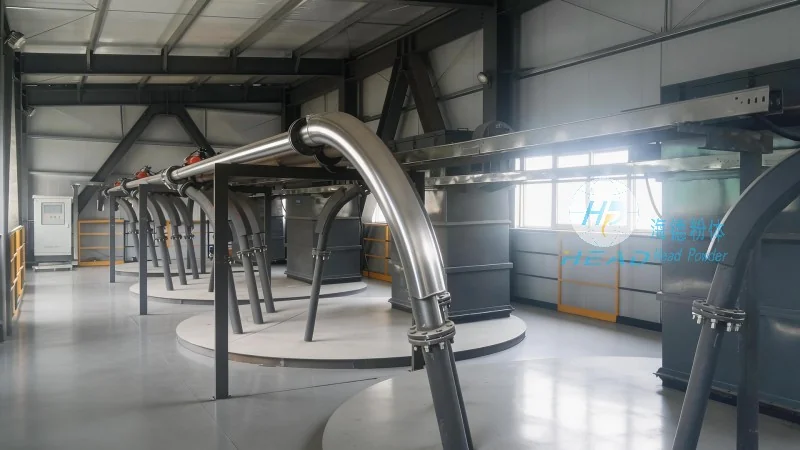
Understanding Potato Powder Conveying
Potato powder conveying refers to the process of transporting fine, dry potato powder from one location to another within industrial settings. This is typically achieved through mechanical systems designed to handle the unique properties of potato powder, such as its fine particle size, hygroscopic nature, and potential for bridging or caking. The goal of potato powder conveying is to ensure efficient, reliable, and hygienic movement of the material, minimizing product loss and maintaining product quality throughout the process.
Key Design Principles for Potato Powder Conveying Systems
The design of potato powder conveying systems adheres to several critical principles to ensure optimal performance. First, the system must address the material's flow characteristics. Potato powder is often prone to bridging, which can cause blockages in traditional conveyor systems. To mitigate this, many systems incorporate specialized components like vibrators, air knives, or rotary valves that promote uniform flow and prevent material accumulation. Second, the design emphasizes material handling efficiency. This involves selecting appropriate conveyor types, such as pneumatic conveying systems or screw conveyors, based on the specific application requirements. For example, pneumatic conveying is ideal for long-distance transport or when the powder needs to be mixed with other ingredients, while screw conveyors are suitable for short-distance, vertical or horizontal transport.
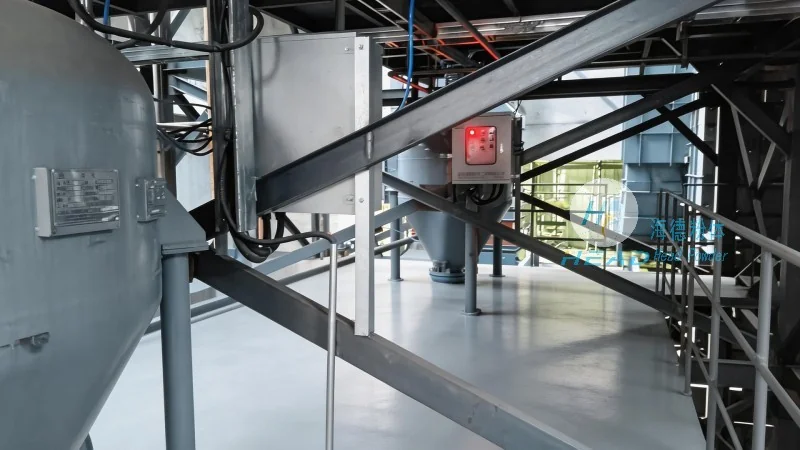
Third, the design prioritizes hygiene and product integrity. In food processing industries, where potato powder is commonly used, conveying systems must meet strict sanitary standards. This includes using materials like stainless steel for construction, ensuring smooth surfaces to prevent contamination, and incorporating easy-to-clean components. Additionally, the system should minimize exposure to air and moisture, as potato powder is hygroscopic and can absorb moisture from the environment, leading to clumping and reduced quality. Fourth, energy efficiency is a key consideration. Modern potato powder conveying systems are designed to operate with minimal energy consumption, using components like variable frequency drives (VFDs) to adjust motor speeds based on the load, thereby reducing energy waste.
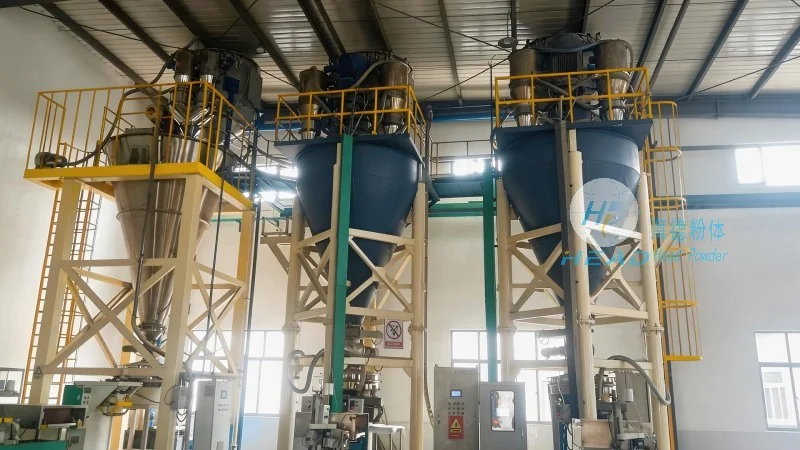
Components and Technologies in Potato Powder Conveying
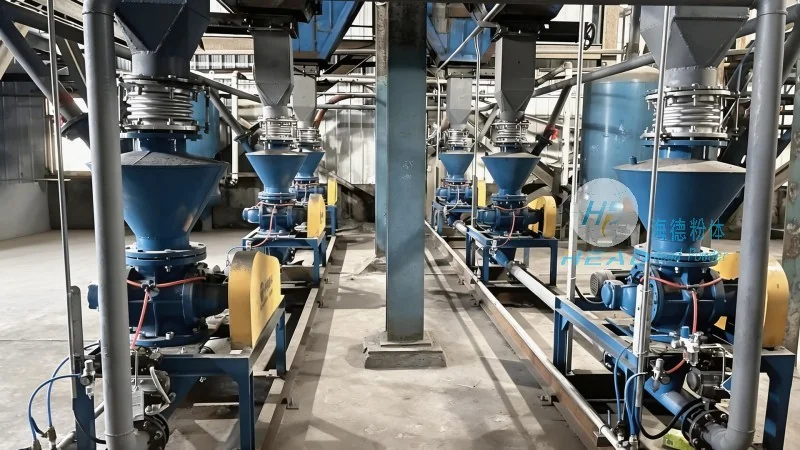
Effective potato powder conveying relies on a combination of components and technologies tailored to the material's properties. Key components include feeders, which control the flow rate of the powder into the system; conveyors, such as screw or pneumatic systems; and control systems that monitor and adjust the process in real-time. For instance, rotary airlock valves are commonly used to regulate the flow of potato powder from the feeder to the conveyor, preventing backflow and ensuring a consistent feed rate. Pneumatic conveying systems, which use compressed air to move the powder, are particularly effective for handling fine powders like potato powder, as they can transport the material over long distances without the need for physical contact, reducing wear and tear on the equipment.
Applications and Industries
Potato powder conveying systems are widely used in various industries, with the food processing sector being the most prominent. In the food industry, potato powder is used as a key ingredient in products like snacks, baked goods, and beverages. The conveying systems ensure that the powder is delivered to production lines in a clean and controlled manner, maintaining product quality and consistency. Other applications include pharmaceuticals, where potato powder is used as a filler or excipient, and chemical industries, where it serves as a raw material in various processes. Regardless of the industry, the design principles discussed above are applied to ensure efficient and reliable transport of potato powder.
Conclusion
In summary, potato powder conveying is a critical process in industries that handle fine, hygroscopic powders. The design principles, components, and technologies used in these systems are tailored to address the unique challenges of potato powder, such as bridging, caking, and moisture sensitivity. By adhering to these principles, companies like Shandong HeadPowder Engineering Co., Ltd. can provide effective conveying solutions that enhance operational efficiency, maintain product quality, and ensure compliance with industry standards. Whether for food processing, pharmaceuticals, or other applications, the proper design and implementation of potato powder conveying systems are essential for successful material handling.




