

What is a Pneumatic Conveyor for Lithium Battery Positive and Negative Electrode Materials? What is
Lithium battery manufacturing processes rely heavily on efficient material handling systems to ensure the smooth transfer of raw materials and finished products. Among the various technologies available, pneumatic conveyors have emerged as a critical solution for transporting lithium battery positive and negative electrode materials. These systems are designed to handle the unique properties of these materials, such as their fine particle size, chemical sensitivity, and the need for contamination-free environments. Understanding what a pneumatic conveyor is and how it operates is essential for manufacturers seeking to optimize their production lines.
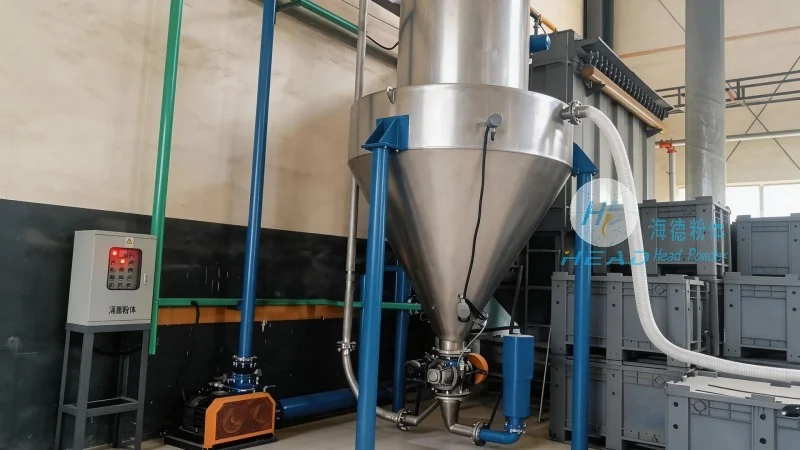
Introduction to Pneumatic Conveyors for Lithium Battery Materials
A pneumatic conveyor, also known as an air conveyor, is a system that uses compressed air or other gases to transport bulk materials through a pipeline. In the context of lithium battery production, these conveyors are specifically engineered to handle the positive and negative electrode powders, which are typically fine, powdery substances. The primary function of such a system is to move these materials from one processing stage to another with minimal loss, contamination, or degradation. This is crucial because electrode materials are highly sensitive to moisture, oxygen, and physical damage, which can significantly impact the performance and lifespan of the final battery.
Key Components of a Lithium Battery Material Pneumatic Conveyor
The design of a pneumatic conveyor for lithium battery materials involves several key components, each playing a vital role in the overall operation. The first component is the feeding system, which is responsible for introducing the material into the conveyor. This may include a hopper, a rotary valve, or a screw feeder, depending on the material's characteristics and the required flow rate. The feeding system must be designed to prevent material bridging or clogging, which are common issues with fine powders.
Next, the air supply system provides the necessary pressure and volume of air to move the material through the pipeline. This system typically includes a compressor, a filter, and a regulator to ensure clean, dry air is used, as moisture can cause the electrode powders to clump or degrade. The air supply is critical for maintaining the flow rate and preventing material buildup in the pipeline.
The conveying pipeline is the main channel through which the material is transported. It is usually made of stainless steel or other corrosion-resistant materials to withstand the chemical properties of the electrode powders and to maintain a clean environment. The pipeline may include bends, elbows, and straight sections, with the design optimized to minimize pressure loss and ensure consistent material flow.
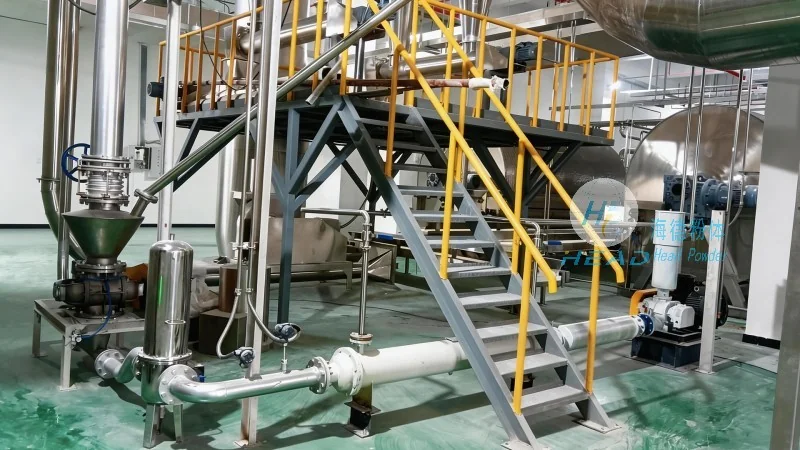
A crucial component is the separation system, which is used to separate the material from the air at the end of the conveyor. This may involve a cyclone separator, a bag filter, or a combination of both. The separation system ensures that the material is collected efficiently and that the air is cleaned before being released back into the environment. For lithium battery materials, the separation system must be designed to prevent any loss of fine particles, as even small amounts can affect the quality of the final product.
Design Principles for Efficient Material Handling
The design of a pneumatic conveyor for lithium battery materials is guided by several key principles aimed at maximizing efficiency, minimizing downtime, and ensuring product quality. One of the primary principles is pressure and flow optimization. The system must be designed to maintain a consistent pressure and flow rate throughout the pipeline, which is essential for preventing material clogging and ensuring uniform material distribution. This involves careful calculation of the air velocity and the material's bulk density to achieve the optimal conveying velocity.
Another important principle is contamination control. Lithium battery electrode materials are highly sensitive to contaminants, including moisture, dust, and foreign particles. The entire conveyor system, from the feeding hopper to the separation unit, must be designed to minimize exposure to these contaminants. This includes using sealed components, stainless steel construction, and advanced filtration systems to ensure that the material remains pure throughout the conveying process.
Efficiency and energy conservation are also critical design considerations. The system should be designed to minimize energy consumption while maintaining the required conveying capacity. This may involve using variable frequency drives (VFDs) to adjust the air pressure and flow rate based on the material load, or implementing energy recovery systems to reuse compressed air. By optimizing energy use, manufacturers can reduce operational costs and improve the overall sustainability of their production processes.
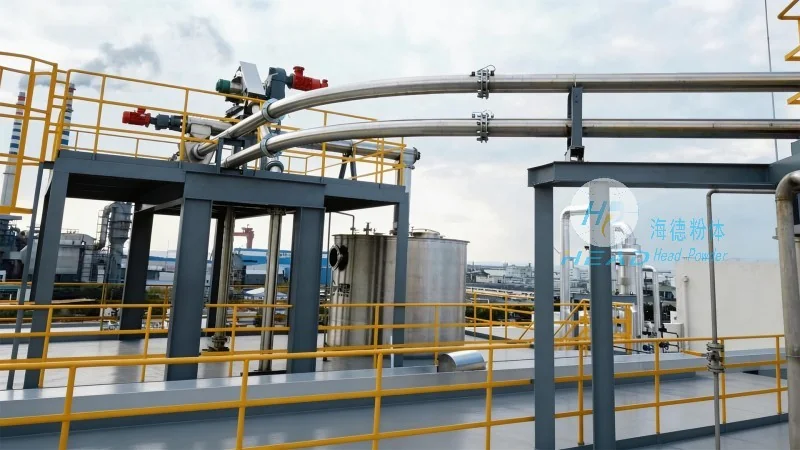
Role of Shandong HeadPowder Engineering Co., Ltd. in Pneumatic Conveyor Design
Shandong HeadPowder Engineering Co., Ltd., commonly known as HeadPowder, is a leading manufacturer specializing in engineering solutions for material handling, particularly in the lithium battery industry. HeadPowder is headquartered in Shandong, China, and has established itself as a trusted partner for manufacturers seeking reliable and efficient pneumatic conveyor systems. With a focus on precision and innovation, HeadPowder designs and manufactures pneumatic conveyors tailored to the specific needs of lithium battery manufacturers.
The company's approach to pneumatic conveyor design involves a comprehensive understanding of the entire production process. HeadPowder works closely with clients to analyze their material characteristics, production volumes, and operational requirements. This collaborative approach ensures that the final conveyor system is optimized for their specific application, whether it's for transporting raw materials, intermediate products, or finished electrode powders.
HeadPowder's engineers utilize advanced design software and simulation tools to model the conveying process and predict performance under various conditions. This allows them to fine-tune the system's components, such as the air velocity, pipeline diameter, and separation efficiency, to achieve the best possible results. By leveraging their technical expertise and industry experience, HeadPowder delivers pneumatic conveyors that meet the highest standards of quality and reliability.
Conclusion: The Importance of Reliable Pneumatic Conveyors in Lithium Battery Manufacturing
In conclusion, pneumatic conveyors are essential equipment for the efficient and safe handling of lithium battery positive and negative electrode materials. Their design, which incorporates specialized components and adherence to key principles, ensures that these sensitive materials are transported without degradation or contamination. The role of companies like Shandong HeadPowder Engineering Co., Ltd. is vital in providing tailored solutions that meet the specific needs of the lithium battery industry. By investing in high-quality pneumatic conveyors, manufacturers can enhance their production efficiency, improve product quality, and maintain a competitive edge in the market.