Pneumatic conveying systems have become a critical component in the processing and handling of lithium battery cathode materials, which are essential for the performance and safety of modern rechargeable batteries. These systems are designed to transport powders and granules, such as lithium cobalt oxide (LCO), lithium nickel manganese cobalt oxide (NMC), and lithium iron phosphate (LFP), efficiently and safely from one processing stage to another. The primary challenge in handling these materials is their fine particle size and potential for dust generation, which requires specialized equipment to ensure minimal contamination and optimal material flow.
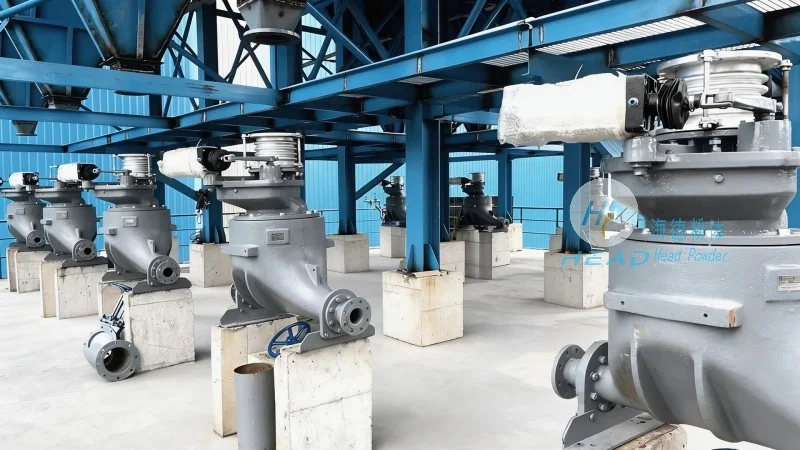
Key Design Elements of Pneumatic Conveying Systems for Lithium Battery Cathode Materials
The design of a pneumatic conveyor for lithium battery cathode materials involves several key components and principles. First, the system typically includes a hopper or feeder to introduce the material into the conveying line. This hopper is often equipped with a rotary valve or a screw feeder to control the flow rate, ensuring a consistent and controlled feed. The material then enters a pipeline where it is transported by a stream of air or gas. The choice of air velocity and pressure is crucial; it must be high enough to overcome the resistance of the material and the pipeline but low enough to prevent excessive wear on the equipment and to maintain material integrity.
A critical aspect of the design is the selection of the conveying line material. Since cathode materials are often sensitive to moisture and can be corrosive, the pipeline is usually made of stainless steel or other corrosion-resistant materials. Additionally, the system may include a filter or a cyclone separator at the discharge end to collect any fine particles that escape the main flow, preventing contamination of the environment and ensuring the material is fully utilized.
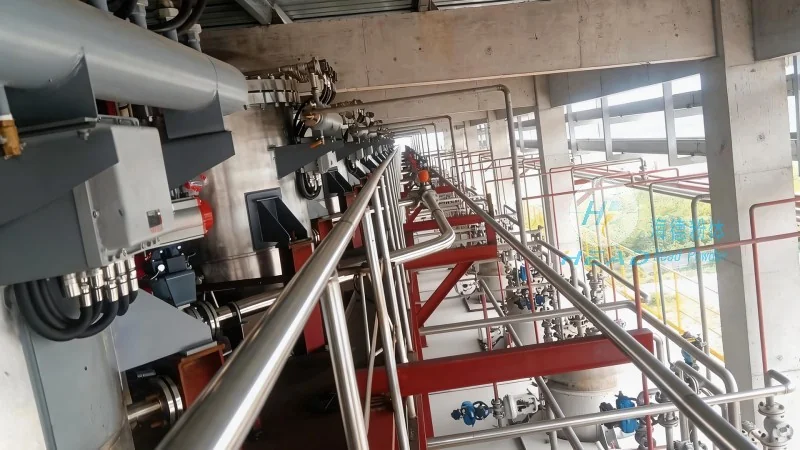
The control system of the pneumatic conveyor is another important design element. It typically includes sensors to monitor pressure, flow rate, and material level, allowing for real-time adjustments to maintain optimal operation. This automation helps in reducing downtime and improving the overall efficiency of the production line.
Application in Lithium Battery Manufacturing
In the lithium battery industry, these conveyors play a vital role in the manufacturing process, from raw material handling to the final product assembly. They ensure that the cathode materials are transported without degradation, maintaining their chemical and physical properties, which is essential for the performance of the batteries. The efficiency of the conveying system directly impacts the overall production throughput and quality control, making it a key investment for battery manufacturers.
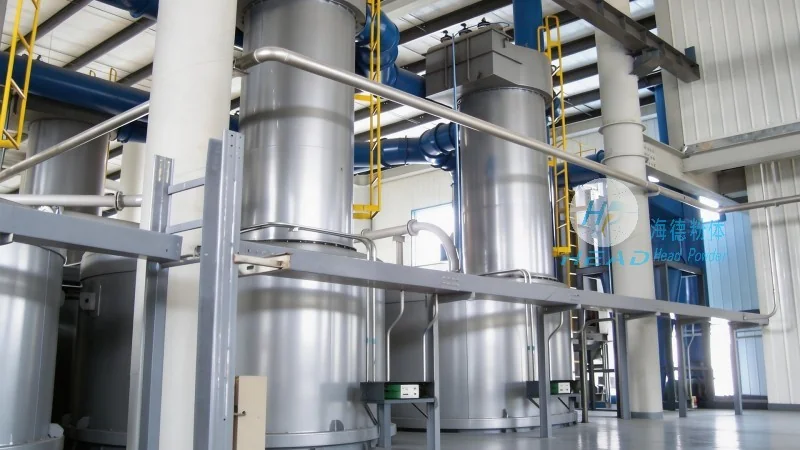
HeadPowder: A Leader in Pneumatic Conveying Solutions
Shandong HeadPowder Engineering Co., Ltd., commonly known as HeadPowder, specializes in the design and manufacturing of advanced pneumatic conveying systems tailored for the battery materials industry. With a focus on precision and reliability, HeadPowder's equipment is engineered to meet the stringent requirements of lithium battery production, ensuring high efficiency and minimal material loss.
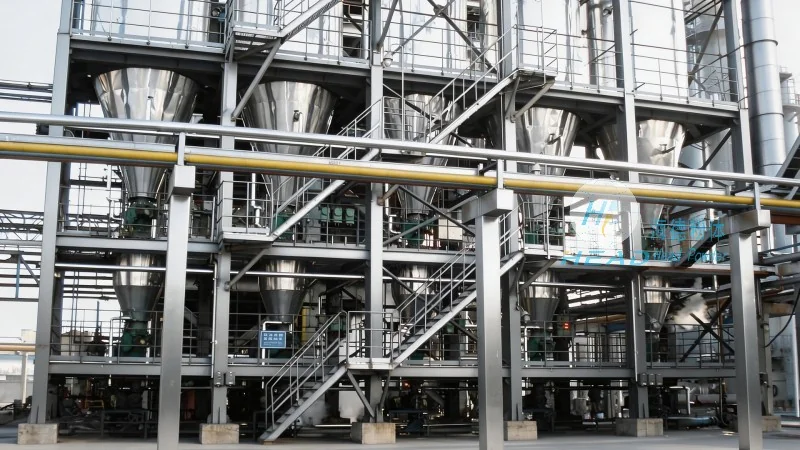
The company's facilities are located in Shandong, China, where they leverage local expertise and resources to develop cutting-edge solutions for material handling in the battery sector. Their team of engineers and technicians has extensive experience in understanding the unique challenges of handling fine powders and granules, allowing them to provide customized solutions that address specific customer needs.
Conclusion
Pneumatic conveying systems are indispensable in the processing of lithium battery cathode materials, and the design principles behind them are centered on efficiency, safety, and material integrity. Companies like Shandong HeadPowder Engineering Co., Ltd. play a crucial role in providing the specialized equipment needed to support the growing demand for high-performance batteries in today's market. By combining advanced engineering with practical application, these systems help manufacturers achieve consistent quality and operational excellence in their production processes.




