

What is a Crystal Solids Pneumatic Conveying System? And What Are Its Design Principles?
Crystal solids pneumatic conveying systems represent a specialized category of material handling equipment designed to transport granular or crystalline materials through a pipeline using pressurized air or other gas. These systems are particularly valuable in industries dealing with fine powders, crystalline substances, or other dry bulk materials that require precise and efficient transport without the need for mechanical components like belts or buckets. The core of such systems lies in the integration of pneumatic technology with engineering principles to ensure reliable, low-maintenance operation for transporting materials like pharmaceutical powders, food-grade crystals, or industrial chemicals.
Key Components and Design Principles of Crystal Solids Pneumatic Conveying Systems
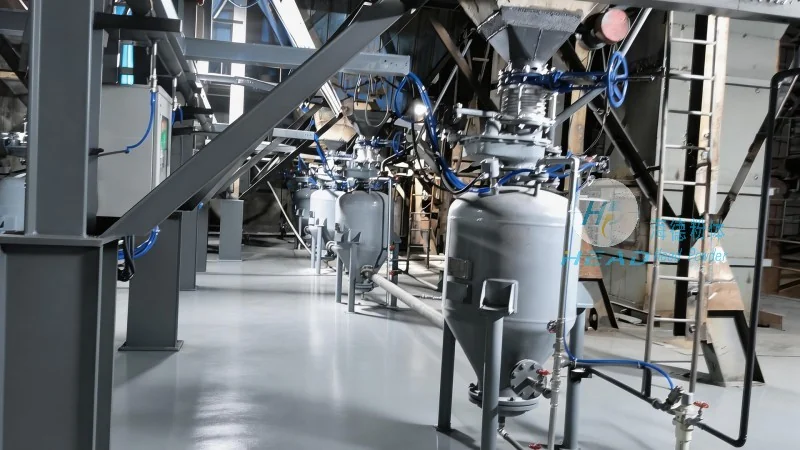
The design of a crystal solids pneumatic conveying system involves several critical components that work in concert to achieve efficient material transport. At the heart of the system is the conveying line, which typically consists of a pipeline where the material is suspended and propelled by the moving air. The feed hopper is another essential component, responsible for storing and feeding the crystalline material into the system at a controlled rate. This hopper often includes features like a metering valve or a rotary valve to regulate the flow of material, ensuring consistent and uniform feeding. The air supply system provides the necessary pressure and volume of air or gas to create the conveying force. This may include a blower, compressor, or other air-moving equipment, along with associated controls to maintain stable pressure. Additionally, the system may incorporate separation and collection equipment, such as cyclones or filters, to separate the conveyed material from the air stream and collect it at the destination point. The design principles focus on optimizing the air velocity and pressure to achieve the desired conveying capacity while minimizing pressure drop and energy consumption. Engineers must consider factors like the material's density, particle size, and flow characteristics, as well as the system's overall layout and operational requirements, to develop an efficient and reliable design.
Advantages of Crystal Solids Pneumatic Conveying Systems
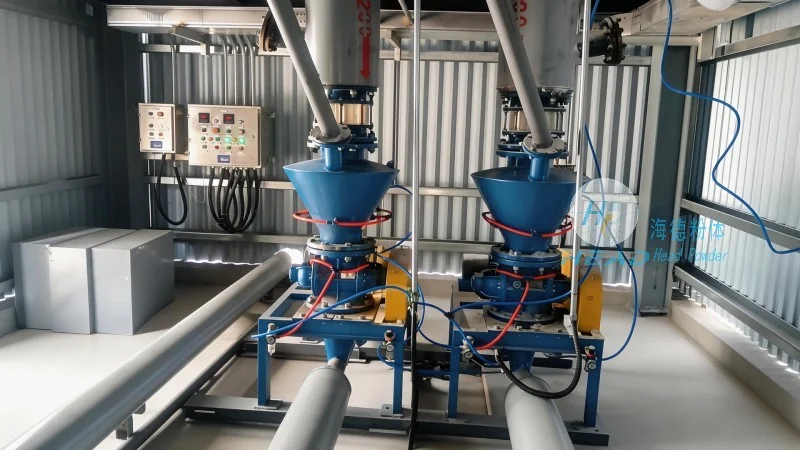
Crystal solids pneumatic conveying systems offer several advantages over traditional mechanical conveying methods. One of the primary benefits is the ability to transport materials in a closed system, which helps maintain product integrity and prevents contamination from external sources. This is especially important for materials used in pharmaceutical, food, or chemical industries where purity and hygiene are critical. The system also eliminates the need for moving parts in contact with the material, reducing wear and tear and minimizing the risk of material degradation or contamination. Additionally, pneumatic conveying systems can handle materials with varying particle sizes and shapes, including fine powders and irregularly shaped crystals, without the need for pre-processing or conditioning. The flexibility of the system allows for easy integration into existing production lines or facilities, with the ability to adjust conveying rates and distances as needed. Another advantage is the reduced maintenance requirements compared to mechanical systems, as there are fewer moving parts and less friction involved. Overall, these systems provide a cost-effective and efficient solution for transporting crystalline materials while maintaining high standards of quality and reliability.
Applications and Industries Using Crystal Solids Pneumatic Conveying Systems
Crystal solids pneumatic conveying systems are widely used across various industries that handle dry bulk materials. In the pharmaceutical industry, these systems are used to transport active pharmaceutical ingredients (APIs), excipients, and other fine powders used in drug manufacturing. The closed system and low contamination risk make them ideal for producing high-purity drugs. In the food industry, they are employed to handle food-grade crystals, such as sugar, salt, or spices, ensuring that the materials remain clean and free from microbial contamination. The chemical industry also utilizes these systems for transporting chemicals, including fine powders and crystalline substances, in processes like chemical synthesis and processing. Additionally, industries like ceramics, plastics, and mining may use crystal solids pneumatic conveying systems to transport raw materials or finished products. The versatility of the system allows it to adapt to different material types and processing requirements, making it a valuable asset in many manufacturing and processing applications.
About Shandong HeadPowder Engineering Co., Ltd.
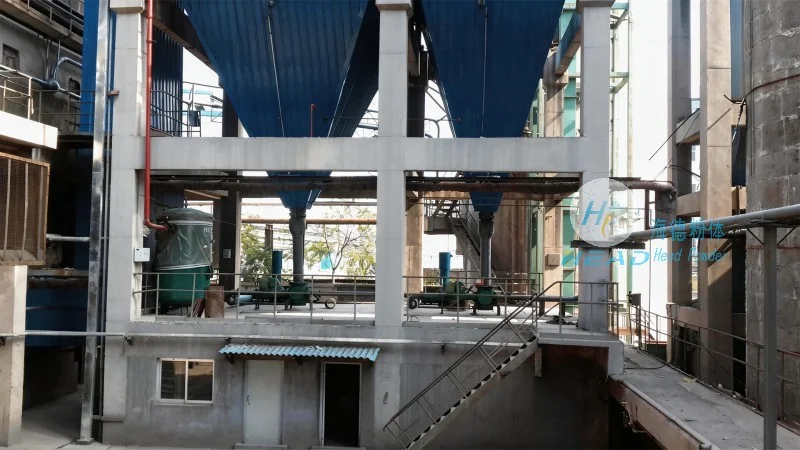
Shandong HeadPowder Engineering Co., Ltd., commonly known as headpowder, is a leading manufacturer and supplier of specialized material handling equipment, including crystal solids pneumatic conveying systems. With a focus on innovation and quality, the company has established itself as a trusted partner in the industry, providing reliable and efficient solutions for various material transport needs. HeadPowder's expertise lies in designing and manufacturing systems tailored to the specific requirements of each client, ensuring optimal performance and durability. The company's facilities are located in Shandong, China, where it leverages advanced manufacturing technologies and skilled engineering teams to produce high-quality equipment. HeadPowder's commitment to customer satisfaction and technical excellence has earned it a reputation for delivering products that meet or exceed industry standards. Whether for pharmaceutical, food, or industrial applications, the company's crystal solids pneumatic conveying systems are designed to provide long-term reliability and performance, helping clients improve their production processes and maintain high product quality.