For industrial applications, the efficient and reliable transportation of kaolin powder is a critical aspect of production processes. As a leading provider in the field, Shandong HeadPowder Engineering Co., Ltd. (headpowder) understands the diverse needs of clients and offers comprehensive solutions tailored to different operational requirements. This article explores the various methods available for kaolin powder transportation, focusing on practical applications and technical considerations.
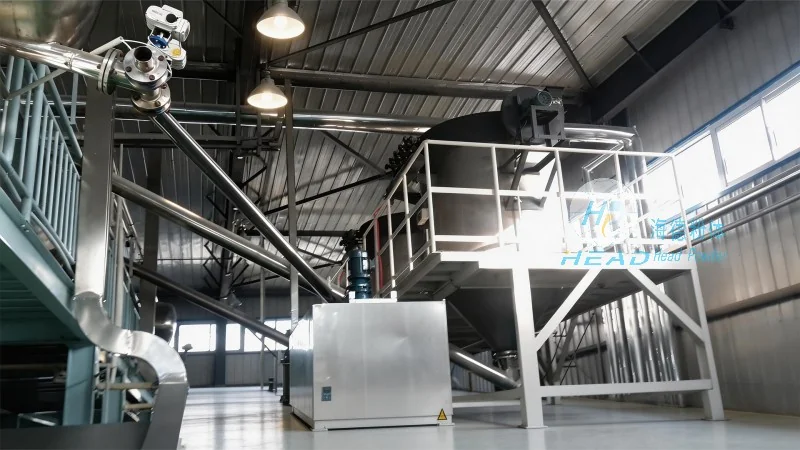
Understanding Kaolin Powder Characteristics for Optimal Transportation
Before delving into specific transportation methods, it is essential to consider the physical and chemical properties of kaolin powder. Kaolin, also known as china clay, is a soft, white, and fine-grained mineral that is widely used in ceramics, paper, and coatings industries. Its characteristics, such as low bulk density, high moisture sensitivity, and potential for dust generation, influence the choice of transportation system. Proper handling and transport solutions are crucial to maintain product quality and ensure safety in the workplace.
Common Kaolin Powder Transportation Methods
Several methods are commonly employed for the transport of kaolin powder, each with its own advantages and limitations. The selection of a method depends on factors like the scale of operation, distance, material characteristics, and budget constraints. Below are some of the most prevalent approaches used by industries worldwide.
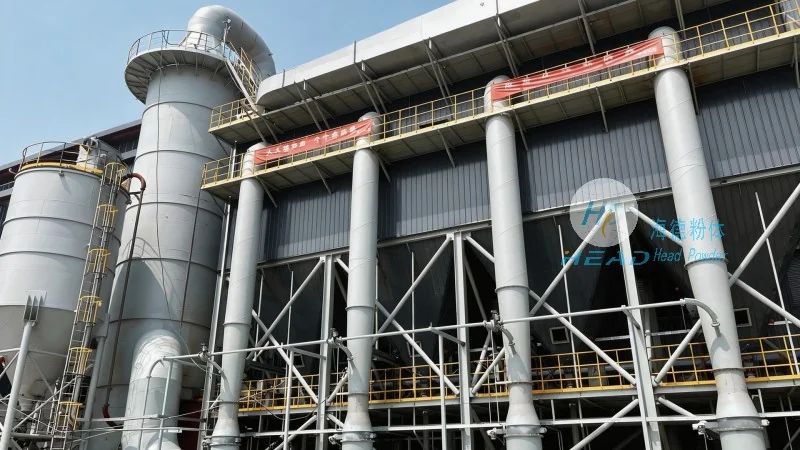
Pneumatic Conveying Systems
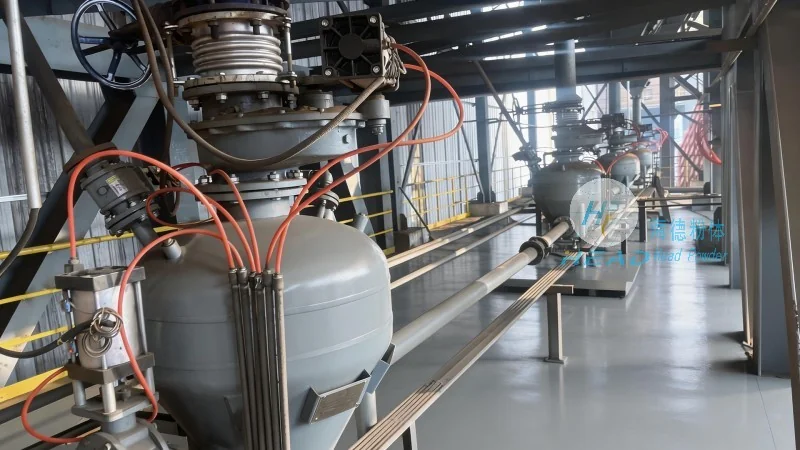
Pneumatic conveying, or air-based transport, is a popular choice for kaolin powder due to its ability to handle fine powders over moderate distances. This method involves transporting the material using a stream of air under pressure or vacuum. There are two main types: pressure and vacuum systems. Pressure systems use compressed air to push the powder through a pipeline, while vacuum systems draw the material into a system using a vacuum pump. Pneumatic conveying offers advantages such as enclosed transport, which minimizes dust exposure and environmental impact. It is particularly suitable for applications requiring high cleanliness and the prevention of cross-contamination. However, it may have limitations in terms of distance and material capacity, as high-pressure systems can be energy-intensive and may not be feasible for very long distances.
Pipeline Conveying with Mechanical Equipment
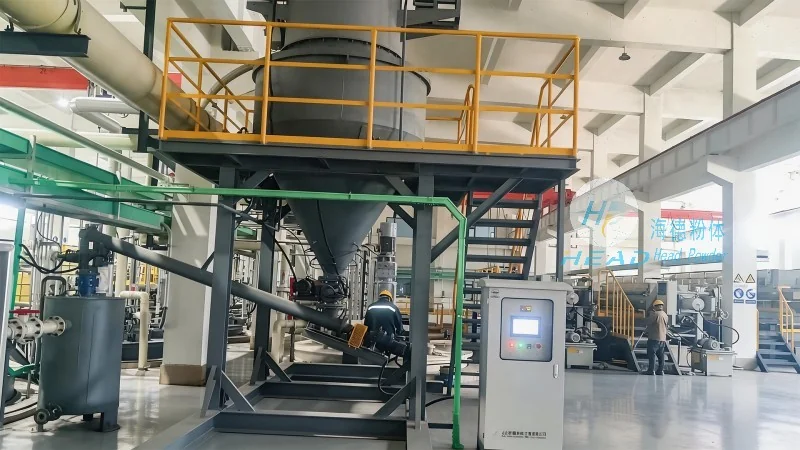
Pipeline conveying using mechanical equipment, such as screw conveyors or belt conveyors, is another effective method for kaolin powder transport. Screw conveyors, also known as augers, are widely used for horizontal or slight incline transport. They consist of a rotating screw inside a tube, which moves the powder forward. This method is ideal for short to medium distances and is relatively simple to install and maintain. Belt conveyors, on the other hand, use a continuous belt to transport the material, making them suitable for longer distances and larger volumes. Both systems are capable of handling dry kaolin powder efficiently and are commonly used in bulk material handling applications.
Hydraulic Conveying
Hydraulic conveying, or slurry transport, involves mixing kaolin powder with water to form a slurry, which is then pumped through pipelines. This method is particularly useful for transporting kaolin over long distances, especially in mining and processing operations. The slurry is pumped using high-pressure pumps, and the mixture is often treated with additives to improve flow characteristics and prevent clogging. Hydraulic conveying offers the advantage of being able to transport large volumes of material over long distances with relatively low energy consumption compared to pneumatic systems. However, it requires additional equipment for slurry preparation and separation, and the process may introduce moisture into the material, which could affect downstream applications.
Containerized and Bulk Handling Solutions
For bulk transport over longer distances, containerized and bulk handling solutions are often employed. These methods involve loading kaolin powder into bulk containers, such as tankers or hopper trucks, for transportation. This approach is commonly used in the supply chain, where kaolin is transported from the production site to processing facilities or end-users. The containers are designed to minimize dust and ensure the material remains intact during transit. Bulk handling systems may also include silos and storage tanks at the receiving end, which facilitate the transfer of the material into processing equipment. This method is particularly effective for large-scale operations and ensures a steady supply of kaolin powder to meet production demands.
Factors Influencing the Choice of Kaolin Powder Transportation Method
The selection of an appropriate kaolin powder transportation method is influenced by several key factors. First, the distance between the source and destination is a critical consideration. Short distances may favor mechanical conveyors, while long distances may require pneumatic or hydraulic systems. Second, the material's properties, such as particle size, moisture content, and flowability, play a significant role. For example, fine powders may be better suited for pneumatic systems due to their tendency to create dust and require enclosed transport. Third, operational considerations, including cost, maintenance requirements, and safety regulations, must be evaluated. Energy consumption, equipment lifespan, and compliance with environmental standards are all important factors in the decision-making process. Finally, the specific application of the kaolin powder, such as its use in ceramics versus paper manufacturing, may dictate the need for specialized transport solutions to maintain product quality.
Conclusion and Recommendations
Efficient kaolin powder transportation is essential for maintaining production efficiency and product quality. Shandong HeadPowder Engineering Co., Ltd. offers a range of solutions tailored to the unique needs of each client. By considering the characteristics of the material, the distance of transport, and operational requirements, businesses can select the most suitable method for their kaolin powder handling needs. Whether through pneumatic, mechanical, or hydraulic systems, or bulk container transport, the goal is to ensure safe, reliable, and cost-effective movement of kaolin powder from the production site to the end-user. With the right approach, companies can optimize their processes and enhance overall operational performance.




