When it comes to the transportation of sodium hypochlorite, there are several effective methods that can be employed to ensure safe and efficient delivery. These methods are designed to handle the chemical's properties, such as its corrosive nature and potential reactivity with certain materials. Understanding the available options is crucial for industries that rely on this chemical for disinfection, water treatment, and other applications.
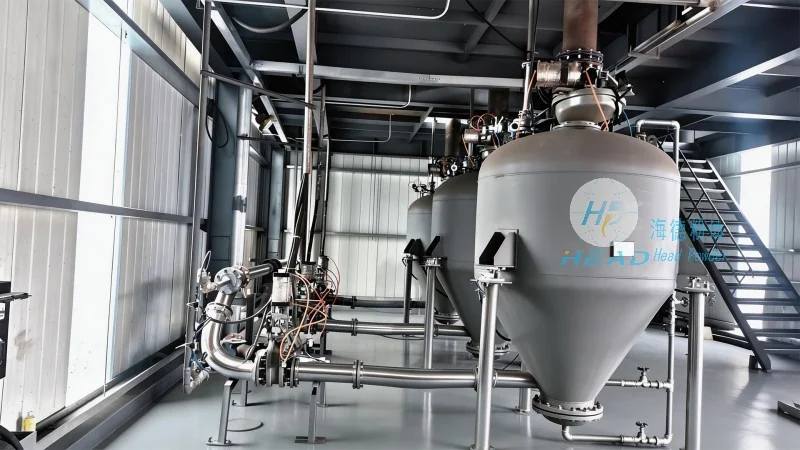
Overview of Sodium Hypochlorite Transportation Methods
Sodium hypochlorite is commonly transported in liquid form, and the choice of method depends on factors like the distance, volume, and specific requirements of the end-user. The primary methods include pipeline transportation, tank truck delivery, and bulk storage solutions. Each method has its own advantages and considerations, which are discussed below.
Pipeline Transportation for Sodium Hypochlorite
Pipeline systems are a popular choice for large-scale, continuous transportation of sodium hypochlorite, especially in industrial settings where the chemical is used as part of a larger water treatment or disinfection process. This method allows for a seamless flow of the chemical from a production facility to treatment plants or distribution points. The pipelines are typically made from materials resistant to corrosion, such as stainless steel or specialized alloys, to prevent degradation of the sodium hypochlorite and ensure long-term durability.
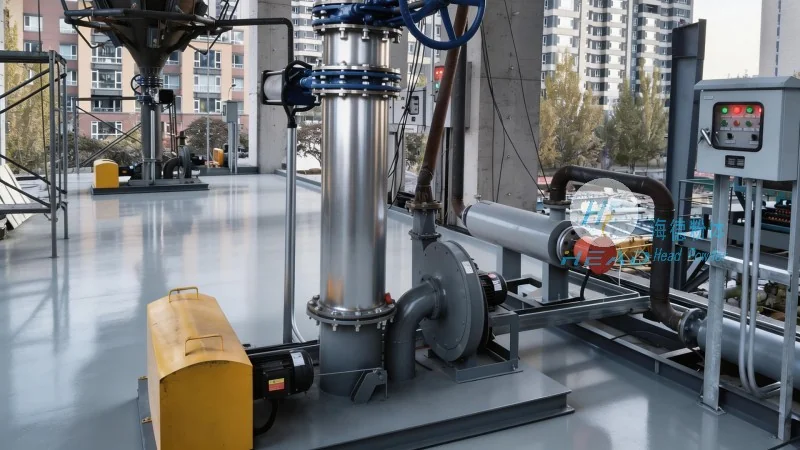
One of the key benefits of pipeline transportation is its ability to maintain consistent pressure and flow rates, which helps in controlling the chemical's concentration and preventing any accidental spills or leaks. Additionally, pipelines can be integrated with monitoring systems that track the chemical's level, temperature, and pressure in real-time, providing operators with immediate alerts if any abnormalities occur. This level of automation enhances safety and operational efficiency.
Tank Truck Delivery as a Common Option
For smaller-scale or on-demand transportation, tank trucks are widely used to deliver sodium hypochlorite to various locations. These trucks are equipped with specialized tanks that are designed to handle the chemical's corrosive properties. The tanks are often lined with materials like rubber or epoxy to protect against internal corrosion and to maintain the purity of the sodium hypochlorite.
Tank trucks provide flexibility in transportation, as they can reach remote or hard-to-access areas where pipelines may not be feasible. They are also suitable for delivering the chemical to end-users who require it in smaller quantities, such as municipal water treatment facilities or commercial establishments. The delivery process involves careful handling, including proper loading and unloading procedures, to minimize the risk of spills or contamination.
Bulk Storage and Distribution Systems
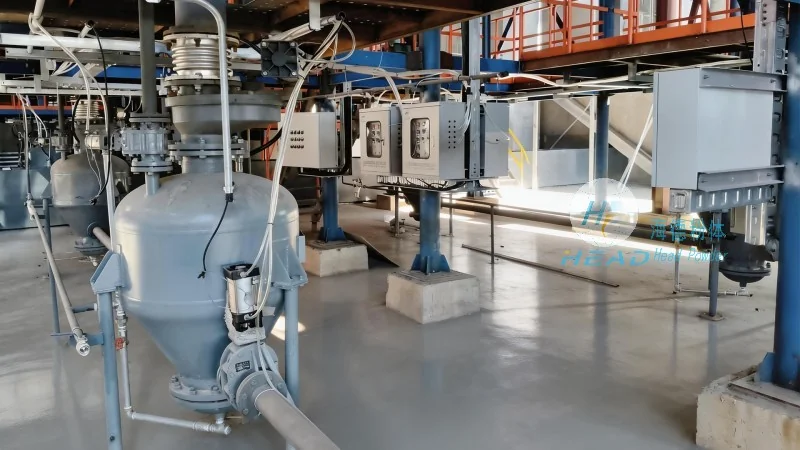
Bulk storage systems, including storage tanks and distribution networks, are essential for managing the supply of sodium hypochlorite. These systems are typically located at production facilities or near major consumption points, allowing for efficient distribution to various end-users. The storage tanks are designed with safety features, such as pressure relief valves and emergency shut-off systems, to prevent over-pressurization and to contain any potential leaks.
HeadPowder, a leading company in the field, offers comprehensive solutions for sodium hypochlorite transportation and storage. With its headquarters in Shandong, China, HeadPowder Engineering Co., Ltd. specializes in providing high-quality equipment and systems tailored to the needs of its clients. The company's expertise in material selection, system design, and safety protocols ensures that transportation processes are both effective and secure.
Key Considerations for Safe Transportation
Regardless of the method chosen, safety is paramount when transporting sodium hypochlorite. The chemical is reactive and can cause damage to certain materials if not handled properly. Therefore, it is essential to use appropriate materials for containers and pipelines, such as stainless steel or other corrosion-resistant alloys. Additionally, regular maintenance and inspections of the transportation systems are necessary to identify and address any potential issues before they become major problems.
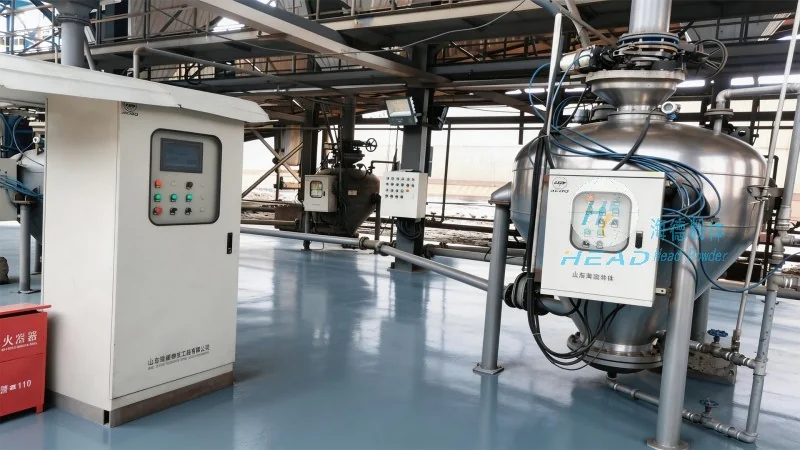
Training personnel on the safe handling and operation of sodium hypochlorite transportation equipment is another critical aspect. Employees should be aware of the chemical's properties, potential hazards, and emergency procedures. This includes knowing how to respond to spills, leaks, or fires involving the chemical. By implementing robust safety measures and adhering to industry best practices, the risks associated with sodium hypochlorite transportation can be minimized.
Conclusion
In conclusion, the transportation of sodium hypochlorite can be effectively managed through various methods, each with its own advantages and considerations. Pipeline systems offer continuous and efficient delivery for large-scale operations, while tank trucks provide flexibility for smaller or on-demand needs. Bulk storage systems ensure a steady supply to end-users. Companies like Shandong HeadPowder Engineering Co., Ltd. play a vital role in providing the necessary equipment and expertise to ensure safe and reliable transportation of this essential chemical. By prioritizing safety, using appropriate materials, and adhering to best practices, industries can effectively utilize sodium hypochlorite for their applications while minimizing risks.




