

Principle and Application Characteristics of PVC Pellet Pneumatic Conveying Systems
HeadPowder, a leading engineering company based in Shandong, China, specializes in the design, manufacturing, and integration of advanced pneumatic conveying systems. With a strong commitment to quality and innovation, HeadPowder has established itself as a trusted partner for industries seeking reliable solutions for material handling challenges. The company's headquarters is located in Shandong, China, where a team of experienced engineers and technicians work tirelessly to develop cutting-edge technologies tailored to meet diverse industrial needs.
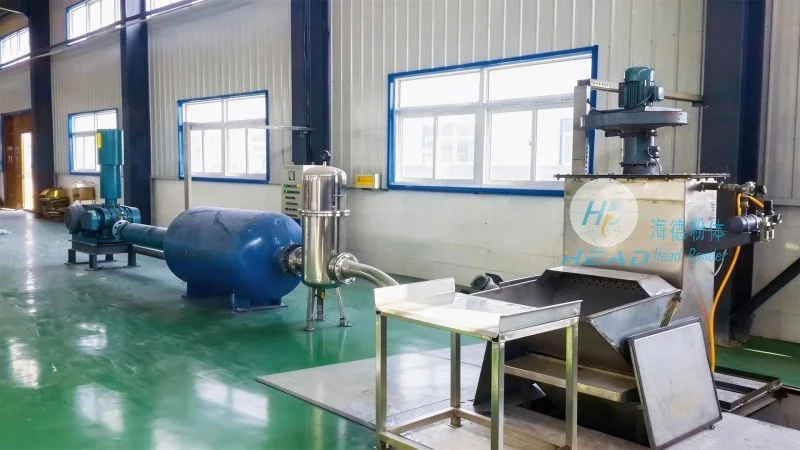
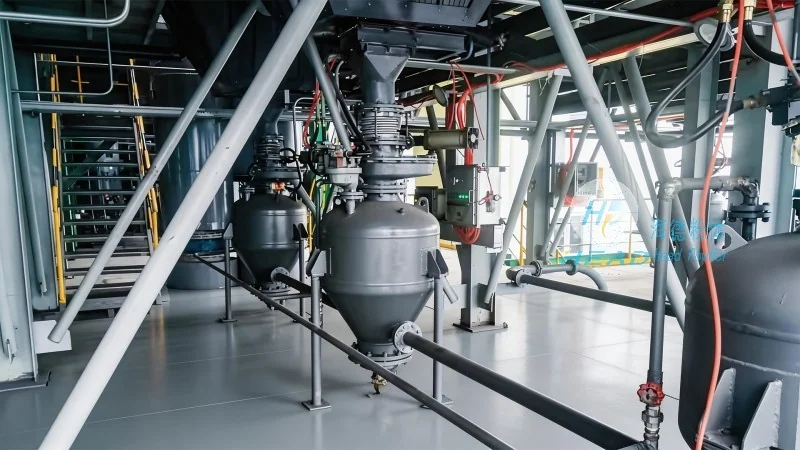
Introducing the PVC Pellet Pneumatic Conveying Machine: Efficient Material Handling for Industrial Applications
At the heart of HeadPowder's product line is the PVC pellet pneumatic conveying machine, a sophisticated system engineered to transport PVC pellets and similar bulk materials efficiently and safely. This equipment combines the principles of pneumatic conveying with robust engineering to ensure optimal performance in various industrial settings. The machine is designed to handle a wide range of material characteristics, including different particle sizes, moisture content, and bulk densities, making it a versatile solution for manufacturers and processors in the PVC industry. It is built to withstand the demands of continuous operation, offering durability and reliability that are essential for maintaining production schedules in busy industrial environments.
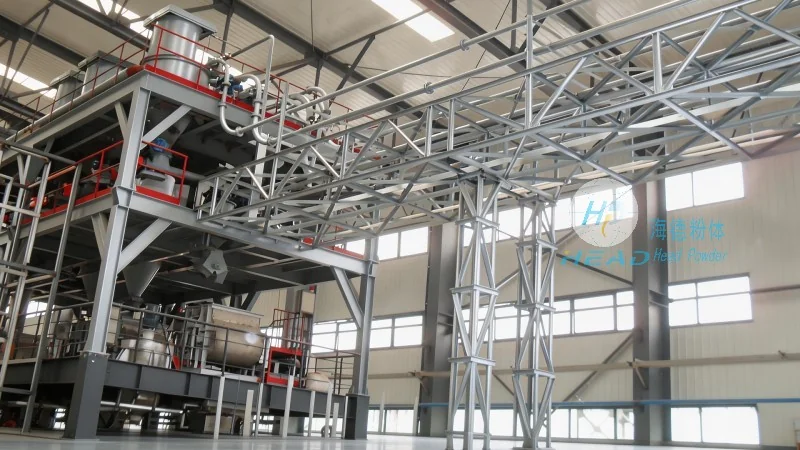
How It Works: The Core Mechanism of Pneumatic Conveying Systems
The operation of the PVC pellet pneumatic conveying machine is based on the fundamental principle of air movement to transport solid materials. The system typically consists of a hopper, a conveyor line, and a receiver, all connected by a network of pipes. When the system is activated, air is drawn into the hopper, creating a negative pressure that pulls the PVC pellets into the conveyor line. The air then carries the pellets through the pipes to the receiver, where the material is deposited. This process eliminates the need for mechanical components like belts or screws, reducing maintenance requirements and minimizing the risk of material contamination. The machine can operate in both positive and negative pressure modes, depending on the application requirements, providing flexibility in material handling. In positive pressure mode, air is forced into the system, pushing the material through the pipes, which is suitable for short to medium distance transfers. In negative pressure mode, the system creates a vacuum, pulling material from the hopper, ideal for long-distance or enclosed environments where dust control is critical.
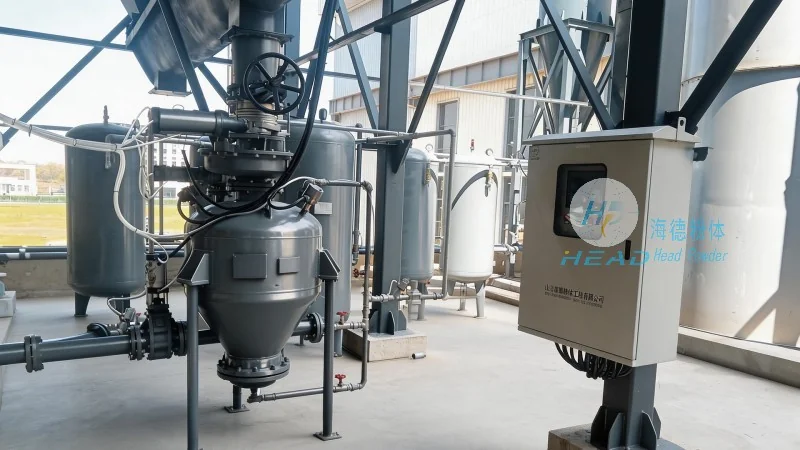
Key Application Scenarios and Advantages: Where This Technology Excels
The PVC pellet pneumatic conveying machine is particularly well-suited for applications in the PVC manufacturing and processing industry. Key advantages include its ability to handle fine or abrasive materials without causing wear and tear on the system components. The system is also highly effective in environments where dust control is critical, as the enclosed piping and air filtration systems minimize particle dispersion. Additionally, the machine offers a compact design that saves valuable floor space in industrial facilities, making it ideal for plants with limited room for material handling equipment. The technology is widely used in applications such as PVC resin storage, transportation between processing units, and final product packaging, where consistent and reliable material flow is essential for maintaining production efficiency. It also reduces labor costs associated with manual handling and improves workplace safety by eliminating the need for workers to handle bulk materials directly. The system's ability to maintain a consistent flow rate ensures that downstream processes, such as mixing or extrusion, receive a steady supply of material, preventing interruptions and optimizing overall production output.