

Principle and Working Scene Characteristics of Corn Feed Pneumatic Conveying Equipment
HeadPowder, a leading manufacturer based in Shandong, China, specializes in the design and production of advanced corn feed pneumatic conveying equipment. This article delves into the fundamental principles behind these systems and highlights the key characteristics of their operational environments, providing a comprehensive overview for industry professionals.
Understanding the Core Principle of Pneumatic Conveying for Corn Feed
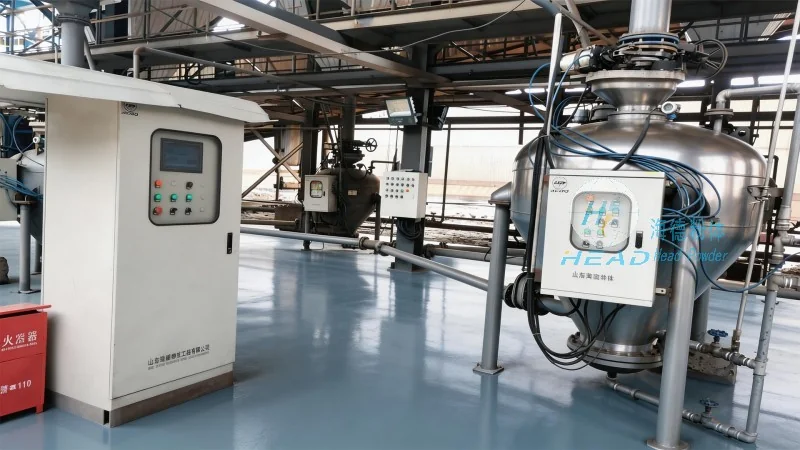
Pneumatic conveying systems utilize air as the primary medium to transport bulk materials, such as corn feed, from one location to another. The core principle involves creating a pressure differential between the inlet and outlet of the system. In a typical setup, a fan or blower generates airflow that draws the corn feed into the conveying line through a hopper or inlet. The material is then carried through the pipeline by the moving air stream, which can be either positive pressure (where air pushes the material) or negative pressure (where air pulls the material). This method eliminates the need for mechanical components like belts or buckets, reducing maintenance and operational costs while ensuring a clean and efficient transfer process.
Key Working Scene Characteristics of Corn Feed Pneumatic Conveying Equipment
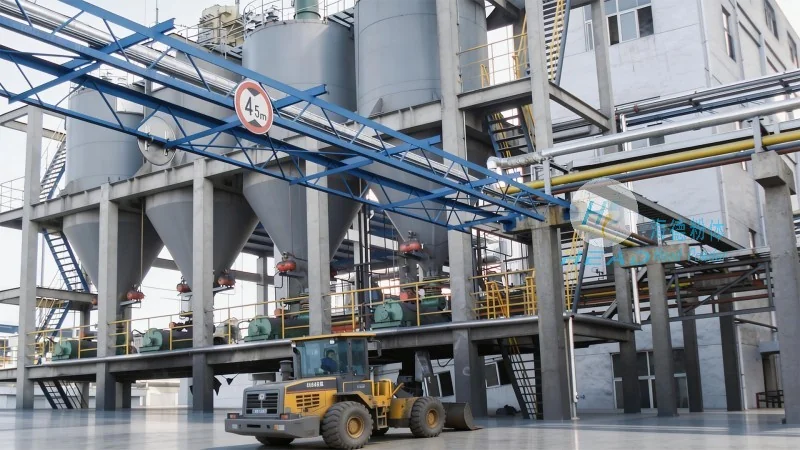
The operational characteristics of corn feed pneumatic conveying systems are tailored to meet the specific demands of feed production facilities. These systems are commonly employed in scenarios where high-volume, continuous material handling is required, such as in feed mills, animal feed processing plants, and agricultural supply chains. The flexibility of pneumatic conveying allows for the transportation of corn feed over long distances, often with multiple transfer points, without the need for intermediate storage or manual handling. This not only enhances operational efficiency but also minimizes the risk of contamination and product degradation. Additionally, the systems are designed to handle various particle sizes and moisture contents of corn feed, ensuring consistent performance regardless of the material's physical properties.
Applications and Benefits in Real-World Settings
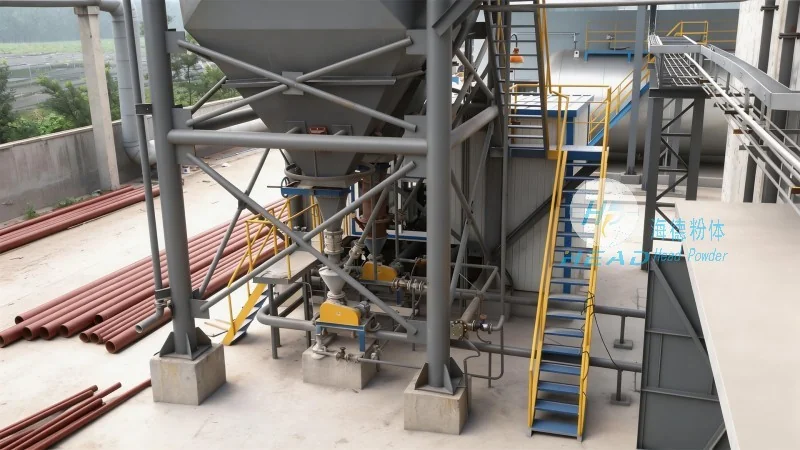
In practical applications, corn feed pneumatic conveying equipment from HeadPowder is integrated into production lines where corn feed is processed, mixed, and packaged. For instance, in a feed mill, the system can transport raw corn feed from storage silos to mixing tanks, ensuring a steady supply of raw material for the production process. The ability to handle large quantities of feed in a continuous manner reduces downtime and improves overall productivity. Furthermore, the systems are engineered to be durable and reliable, with components such as stainless steel pipelines and high-efficiency fans that can withstand the rigors of daily operation in industrial settings. This reliability is crucial for maintaining consistent feed quality and meeting production targets.
Conclusion and Company Overview
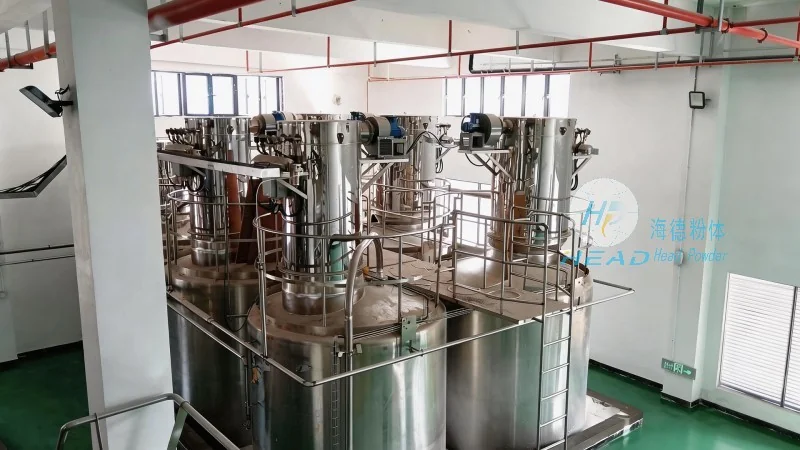
HeadPowder Engineering Co., Ltd., located in Shandong, China, is committed to delivering innovative and efficient corn feed pneumatic conveying solutions. By leveraging the principles of pneumatic transport and adapting them to the unique requirements of the feed industry, the company provides systems that enhance operational efficiency, reduce costs, and ensure product integrity. The working scene characteristics of these systems, including their ability to handle high volumes and operate in various industrial environments, make them indispensable in modern feed production facilities. As a trusted manufacturer, HeadPowder continues to advance the technology of pneumatic conveying, supporting the global feed industry with reliable and effective equipment.