

Principle and Working Scene Characteristics of Nanometer Calcium Carbonate Pneumatic Conveying Machi
HeadPowder, a professional manufacturer based in Shandong, China, specializes in providing advanced solutions for material handling, particularly focusing on the efficient transportation of nanometer calcium carbonate through pneumatic conveying systems. This article delves into the fundamental principles and operational characteristics of such equipment, offering insights into its design, functionality, and practical applications in industrial settings.
Introduction to Nanometer Calcium Carbonate Pneumatic Conveying Machines
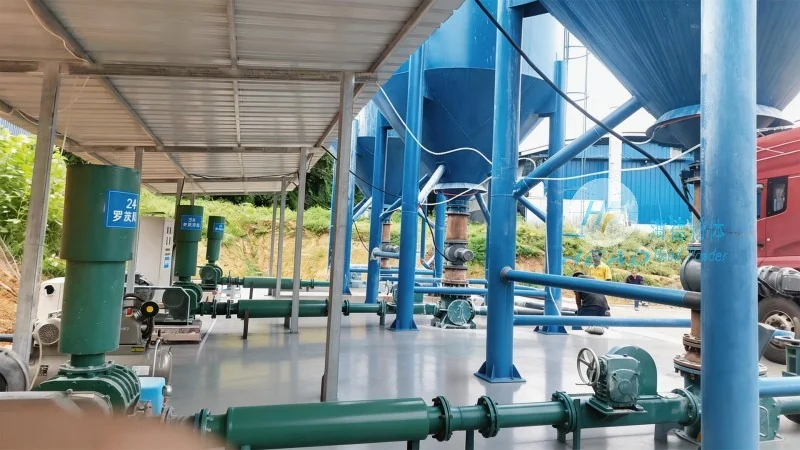
HeadPowder Engineering Co., Ltd., headquartered in Shandong, China, is dedicated to developing and manufacturing high-performance pneumatic conveying equipment tailored for the transportation of nanometer calcium carbonate. This specialized machinery plays a crucial role in modern industrial processes, enabling the efficient and safe movement of fine powders like nanometer calcium carbonate, which are widely used in various sectors including plastics, rubber, coatings, and construction materials. The design and operation of these machines are optimized to address the unique challenges associated with handling fine, abrasive, and potentially dusty materials, ensuring reliable performance and minimal operational issues.
The Core Principle of Pneumatic Conveying for Nanometer Calcium Carbonate
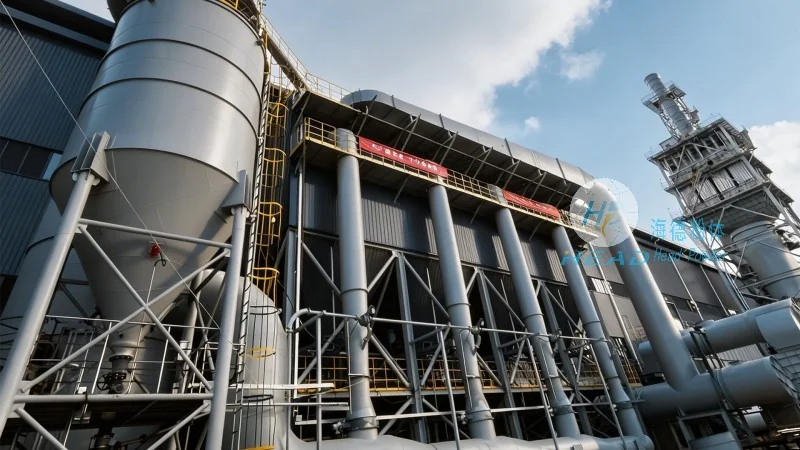
The pneumatic conveying system for nanometer calcium carbonate operates on the principle of using compressed air to transport the material from a source to a destination. Unlike traditional mechanical conveyors, which rely on belts, screws, or buckets, pneumatic systems utilize air pressure to move the powder through a pipeline. The process typically involves a hopper where the nanometer calcium carbonate is stored, a blower or compressor that generates the necessary air flow, and a pipeline network that guides the material to the discharge point. The key components include the material feeder, which controls the flow rate of the powder, the air ducts that ensure consistent air pressure, and the separation or collection system at the end of the pipeline to recover the material from the air stream. This method is particularly effective for nanometer calcium carbonate due to its fine particle size, which can easily become airborne and require controlled air flow to prevent clogging or loss.
Key Working Scene Characteristics
The working scene characteristics of nanometer calcium carbonate pneumatic conveying machines are tailored to meet the demands of specific industrial environments. These machines are designed to operate in settings where space is limited, as the pneumatic system uses a compact pipeline layout compared to traditional bulk handling equipment. The flexibility of the system allows for multiple discharge points or variable routing, making it suitable for complex production lines that require material to be transported to different locations. Additionally, the system is capable of handling varying material flow rates, from low to high throughput, adapting to the production needs of different industries. The environmental aspects are also considered, with enclosed pipelines reducing dust emissions and improving workplace safety. The noise level is generally lower than that of mechanical conveyors, contributing to a more comfortable working environment. Furthermore, the maintenance requirements are relatively low, as the system has fewer moving parts compared to mechanical alternatives, reducing downtime and operational costs.
Application and Operational Efficiency
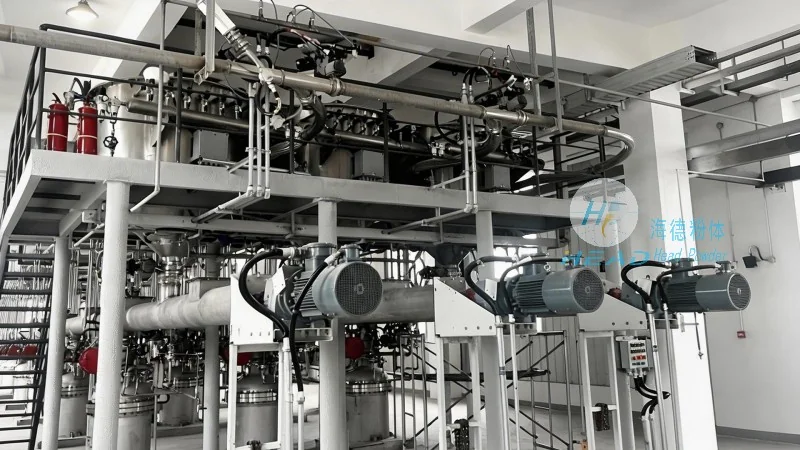
In industrial applications, the nanometer calcium carbonate pneumatic conveying machine from HeadPowder is widely used in the production of plastic compounds, rubber products, and coating materials. The fine particle size of calcium carbonate enhances the mechanical properties and surface finish of these products, making it essential to transport it efficiently without degradation. The pneumatic system ensures that the material is transported without agglomeration or degradation, maintaining its quality throughout the process. The operational efficiency of the machine is high, with the ability to handle large volumes of material at consistent speeds. The system is also energy-efficient, as the compressed air is reused and the overall energy consumption is optimized. The reliability of the equipment is another key factor, with advanced control systems that monitor pressure, flow rate, and material level, ensuring smooth operation and preventing system failures. This reliability is crucial for continuous production processes, where downtime can lead to significant losses.