HeadPowder, a leading manufacturer based in Shandong, China, specializes in the design and production of advanced pneumatic conveying equipment. This article focuses on the principle and working scene characteristics of glass fiber cellulose pneumatic conveying machines, providing a comprehensive overview of their functionality and application scenarios.
Understanding the Core Principle of Pneumatic Conveying
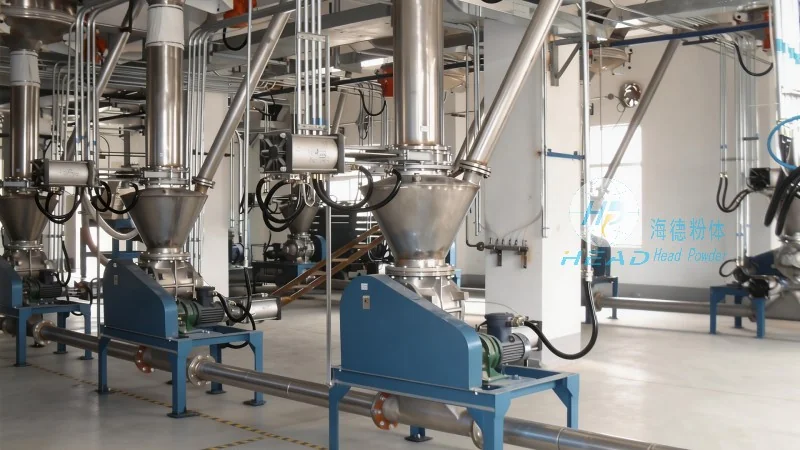
Glass fiber cellulose pneumatic conveying machines operate on the fundamental principle of using air or gas to transport bulk materials through a pipeline system. Unlike traditional mechanical conveying methods, which rely on belts, buckets, or screws, pneumatic systems utilize pressure differentials to move materials. The process typically involves a hopper where the material is fed into a conveying line, where it is then carried by a stream of air moving at high velocity. This method is particularly effective for handling fine, dusty, or abrasive materials such as glass fiber cellulose, which are often difficult to transport using conventional equipment.
Key Components and Operational Mechanism
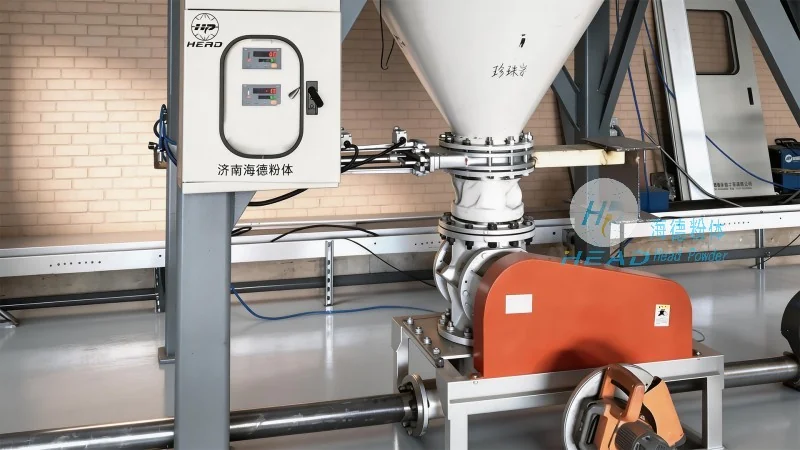
The glass fiber cellulose pneumatic conveying machine consists of several critical components that work in tandem to ensure efficient material transport. These include a hopper for material storage, a rotary valve or feeder to control the flow rate, a conveying line (often equipped with bends and elbows), a dust collector or filter to capture fine particles, and a discharge outlet for the material. The operation begins when the material is fed into the hopper. The rotary valve then regulates the amount of material released into the conveying line. Simultaneously, a fan or blower generates a high-velocity air stream that propels the material through the pipeline. The air flow is carefully managed to maintain a consistent velocity, preventing material settling or blockages. At the receiving end, the material is discharged, and the air is filtered to remove any residual dust before being released back into the environment or recirculated.
Working Scene Characteristics and Application Scenarios
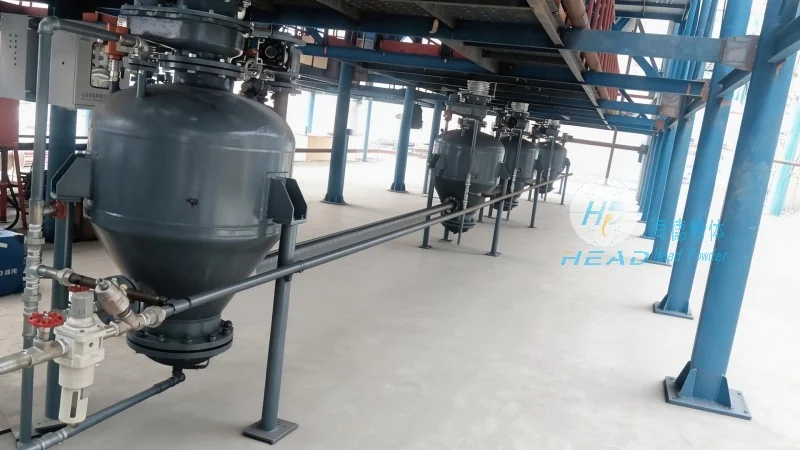
The working scene characteristics of glass fiber cellulose pneumatic conveying machines are tailored to meet the demands of various industrial applications. These systems are commonly used in the production of insulation materials, where glass fiber cellulose is a key component. The machines are designed to handle the fine, lightweight nature of the material, ensuring minimal degradation and consistent quality. In addition, they are suitable for applications requiring dust-free environments, such as pharmaceutical or food processing industries, where contamination control is paramount. The flexibility of pneumatic conveying allows for horizontal, vertical, or inclined transport, making it adaptable to different plant layouts and production processes. Furthermore, the systems can be integrated with other processing equipment, such as mixers or extruders, to form a seamless production line, enhancing overall operational efficiency.
Advantages and Considerations in Practical Use
When considering the implementation of glass fiber cellulose pneumatic conveying machines, several advantages and considerations must be taken into account. The primary benefit is the ability to transport materials over long distances without the need for multiple transfer points, reducing the risk of material loss or contamination. The systems are also relatively compact, requiring less floor space compared to traditional mechanical conveyors. However, the operation of pneumatic systems can be energy-intensive, particularly when handling large volumes of material. Additionally, the design must account for the abrasive nature of glass fiber cellulose, which can cause wear on components like the conveying line and rotary valve. Proper maintenance, including regular cleaning and replacement of worn parts, is essential to ensure long-term performance and prevent downtime.
Conclusion
Glass fiber cellulose pneumatic conveying machines represent a sophisticated solution for the efficient and reliable transport of fine, abrasive materials. With their ability to handle challenging materials while maintaining high levels of cleanliness and efficiency, these systems are a valuable asset in various industrial applications. As a manufacturer based in Shandong, China, HeadPowder continues to innovate and refine its pneumatic conveying technology to meet the evolving needs of its clients, providing tailored solutions that enhance productivity and operational safety.




