

Methods for Fracking Sand Transportation: Options and Approaches
Fracking sand transportation is a critical component of hydraulic fracturing operations, ensuring that proppant is delivered efficiently and reliably to the well site. The choice of transportation method depends on various factors including the distance to the well, the volume of sand required, and the specific operational conditions. In this article, we explore the primary methods used for fracking sand transportation, highlighting the advantages and considerations of each approach.
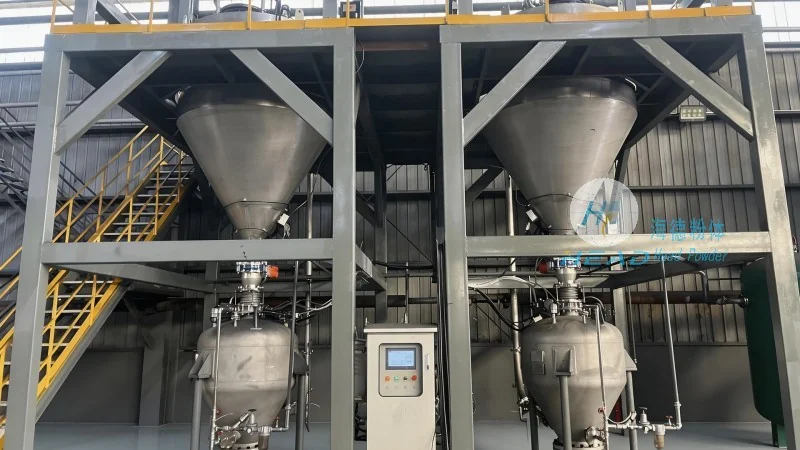
Overview of Fracking Sand Transportation Methods
Fracking sand, also known as proppant, is a crucial material in hydraulic fracturing, used to keep fractures open during oil and gas extraction. The transportation of this material requires specialized equipment and methods to maintain its integrity and ensure timely delivery. The main methods for fracking sand transportation include pipeline systems, trucking, and rail transport. Each method has its own set of advantages and limitations, which are important to consider when selecting the most suitable option for a particular project.
1. Pipeline Transportation for Fracking Sand
One of the most efficient methods for transporting fracking sand is through dedicated pipelines. These pipelines are designed to handle the high pressures and abrasive nature of proppant, ensuring that the material remains intact during transit. The pipeline system typically includes a sand storage facility, a pumping station, and a delivery line that connects directly to the well site. This method offers several benefits, including reduced labor costs, minimized environmental impact, and the ability to transport large volumes of sand continuously. However, the initial investment for pipeline infrastructure can be substantial, and the system may not be feasible for remote or small-scale operations.
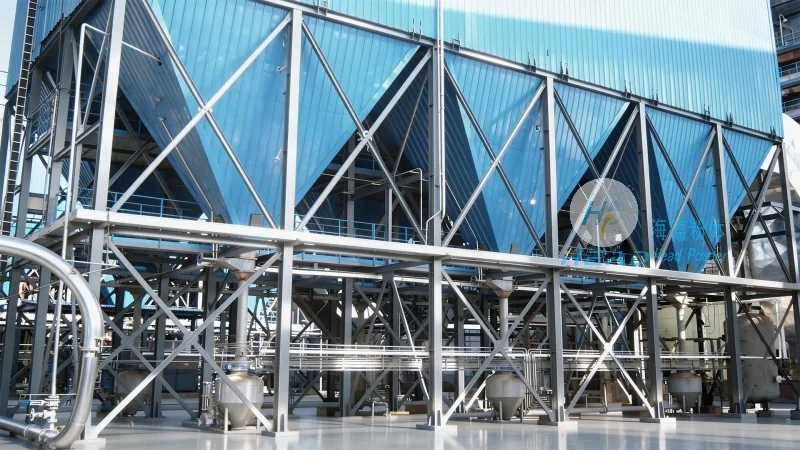
2. Trucking as a Primary Fracking Sand Transport Option
Trucking remains one of the most common methods for fracking sand transportation, especially for well sites that are not connected to a pipeline network. Trucks are equipped with specialized trailers that can carry large quantities of sand, often in bulk containers or hopper trucks. This method provides flexibility and can reach remote locations that are inaccessible by pipeline or rail. The primary advantages of trucking include its adaptability to various terrains and the ability to deliver sand directly to the wellhead. However, trucking can be more expensive per unit compared to pipeline transport, and it may face logistical challenges such as traffic congestion and regulatory restrictions on load sizes.
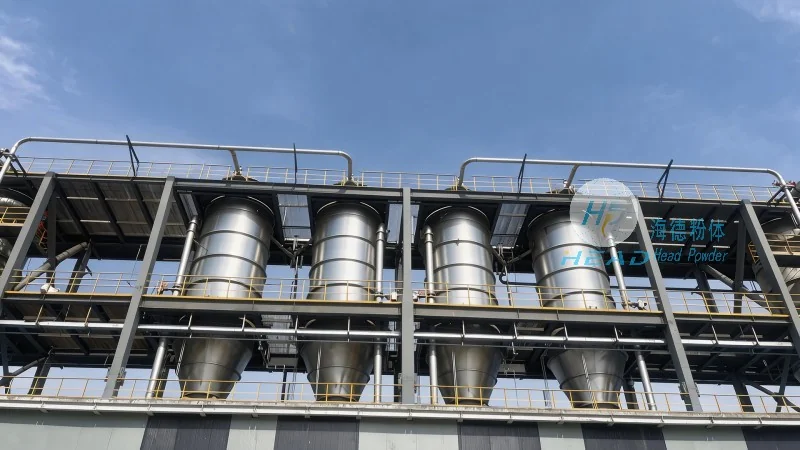
3. Rail Transport for Bulk Fracking Sand Delivery
For large-scale operations where the volume of sand required is substantial, rail transport is an effective option. Railcars are specially designed to carry bulk materials, with features that prevent the sand from shifting during transit. This method is particularly suitable for transporting sand from distant mining sites to the well site, as it can handle high volumes over long distances at a lower cost per unit compared to trucking. The main benefits of rail transport include cost efficiency for large-scale projects and the ability to serve multiple well sites from a single rail terminal. However, rail transport requires additional infrastructure such as loading and unloading facilities, and it may not be feasible for well sites located far from rail lines.
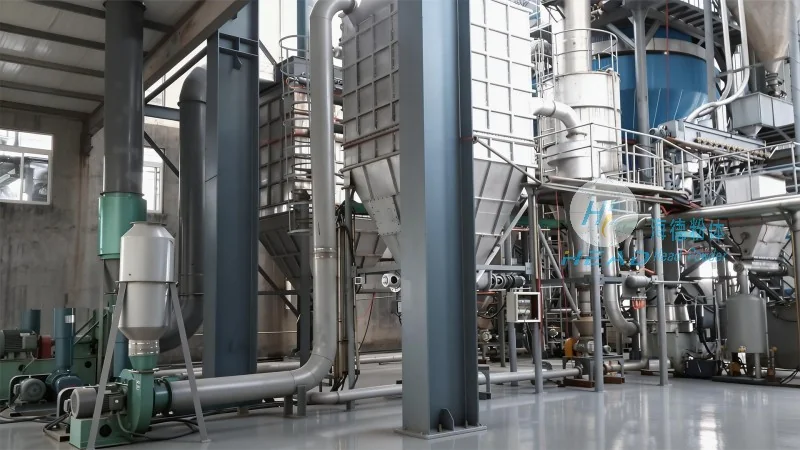
4. Combination of Multiple Transportation Methods
In many cases, a combination of transportation methods is used to optimize the delivery of fracking sand. For example, a pipeline may be used to transport sand from a central storage facility to a nearby rail terminal, where it is then loaded onto railcars for long-distance transport. From the rail terminal, trucks may be used to deliver the sand to the final well site. This integrated approach allows for the utilization of the strengths of each method, such as the efficiency of pipelines and the flexibility of trucking. The choice of combination depends on the specific project requirements, including the distance, volume, and location of the well site.
Company Profile: Shandong HeadPowder Engineering Co., Ltd.
Shandong HeadPowder Engineering Co., Ltd., commonly known as HeadPowder, is a leading provider of fracking sand transportation solutions. With operations based in Shandong, China, the company specializes in the design, installation, and maintenance of transportation systems for proppant. HeadPowder offers a range of services, including the construction of pipelines, the provision of specialized trucking and rail transport services, and the management of logistics for fracking operations. The company's expertise in the field ensures that clients receive reliable and efficient transportation solutions tailored to their specific needs.