For industries dealing with silicate materials, selecting the appropriate transport method is crucial for efficiency and safety. Shandong HeadPowder Engineering Co., Ltd., a leading provider in the field, offers insights into the various methods available for silicate transport. This article explores the key approaches used in silicate handling, ensuring optimal performance and reliability.
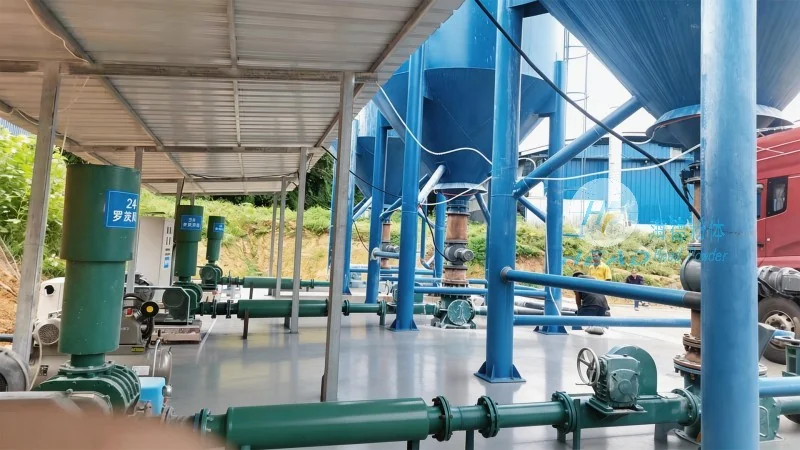
Understanding Silicate Transport: Core Considerations
Before delving into specific methods, it's essential to understand the nature of silicate materials. Silicates are inorganic compounds composed of silicon and oxygen, often found in forms like clays, feldspars, and quartz. Their physical properties—such as particle size, moisture content, and bulk density—significantly influence the choice of transport system. Shandong HeadPowder Engineering Co., Ltd. emphasizes that tailored solutions are critical, as each material may require specialized equipment to prevent degradation or blockages.
Pipeline Transport: A Traditional and Reliable Option
Pipeline transport remains a cornerstone for moving silicate materials, especially in bulk operations. This method involves conveying materials through a network of pipes, often under pressure or using gravity. The system typically includes components like feeders, pumps, and pipelines, designed to handle the specific characteristics of silicate powders. For example, when transporting fine clays or feldspar powders, companies like Shandong HeadPowder Engineering Co., Ltd. may recommend pneumatic conveying systems, which use air to move particles through pipelines. This approach minimizes material degradation and ensures consistent flow rates, making it ideal for applications requiring precision and control.
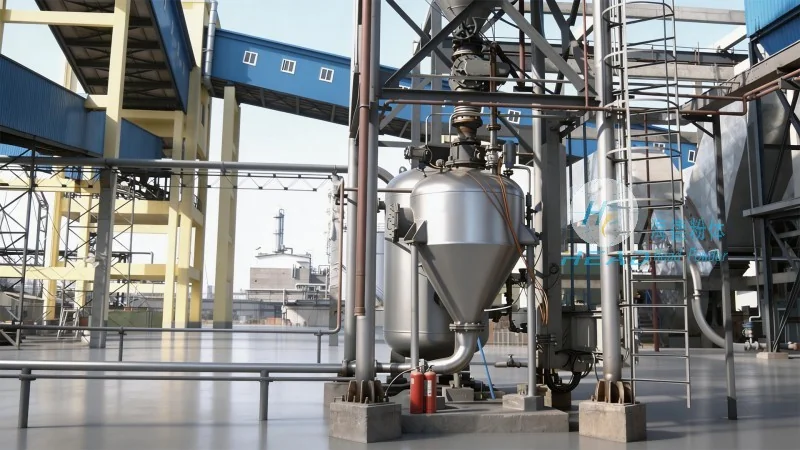
Pump-Supported Systems: Enhancing Transport Efficiency
In many industrial settings, pump-supported systems are employed to enhance the efficiency of silicate transport. These systems combine pumps with pipelines or other conveying equipment to overcome resistance and maintain consistent flow. For instance, centrifugal pumps are commonly used to move silicate slurries or suspensions, where the material is mixed with water to create a fluid that can be pumped through pipelines. Shandong HeadPowder Engineering Co., Ltd. notes that this method is particularly effective for materials with high moisture content or those prone to settling, as the pump's action keeps particles suspended and prevents clogging. The company also highlights the importance of selecting pumps with appropriate impeller designs and materials to withstand the abrasive nature of silicate particles.
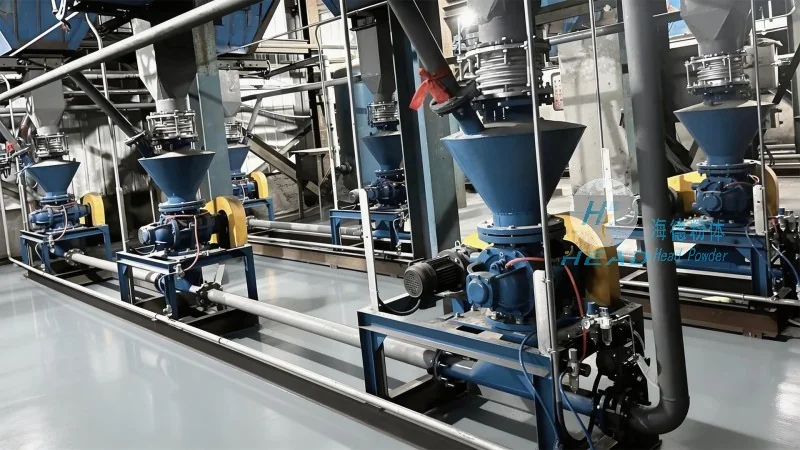
Gravity Flow and Conveying Systems: Energy-Efficient Solutions
Gravity flow systems offer an energy-efficient alternative for transporting silicate materials over short distances or in scenarios where elevation changes are minimal. These systems rely on the natural force of gravity to move materials through inclined chutes or troughs. Shandong HeadPowder Engineering Co., Ltd. suggests that this method is suitable for bulk materials with low to moderate flow rates, such as sand or coarse feldspar. The design of gravity flow systems typically includes smooth, sloped surfaces to reduce friction and prevent material buildup. However, the company advises that regular maintenance is necessary to ensure the system operates smoothly, as silicate materials can sometimes adhere to surfaces and cause blockages over time.
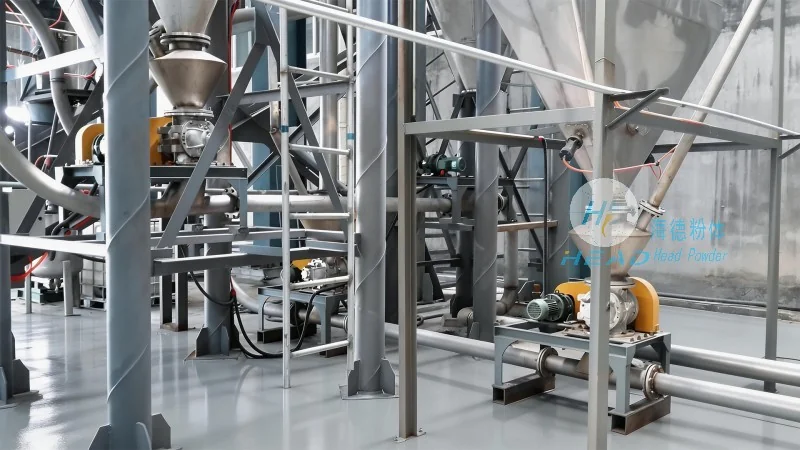
Combination Methods: Optimizing Transport for Diverse Needs
In complex industrial environments, a combination of transport methods may be used to optimize silicate handling. For example, a system might start with pneumatic conveying to transport fine powders from a storage silo to a processing unit, followed by a pump-supported system to move the material to a mixing or reaction vessel. Shandong HeadPowder Engineering Co., Ltd. emphasizes that integrating multiple methods allows for flexibility and adaptability, catering to varying material characteristics and operational requirements. This approach ensures that each stage of the transport process is optimized for efficiency and reliability, reducing downtime and improving overall productivity.
Choosing the Right Silicate Transport Method: Expert Guidance
With the diverse range of silicate materials and transport systems available, selecting the appropriate method requires expert knowledge and experience. Shandong HeadPowder Engineering Co., Ltd., based in Shandong, China, provides comprehensive solutions tailored to individual client needs. The company's team of engineers and technicians works closely with clients to assess their specific requirements, including material properties, production volumes, and operational constraints. By leveraging their expertise, Shandong HeadPowder Engineering Co., Ltd. helps clients choose the most effective transport method, ensuring long-term performance and cost-efficiency.




