

The Role of Pneumatic Conveying in Coke Transport
HeadPowder, a leading provider of material handling solutions, specializes in advanced pneumatic conveying systems designed for efficient coke transport. This technology has revolutionized the way coke is moved from production sites to various industrial applications, offering significant advantages over traditional methods.
Efficiency and Cost-Effectiveness in Coke Handling
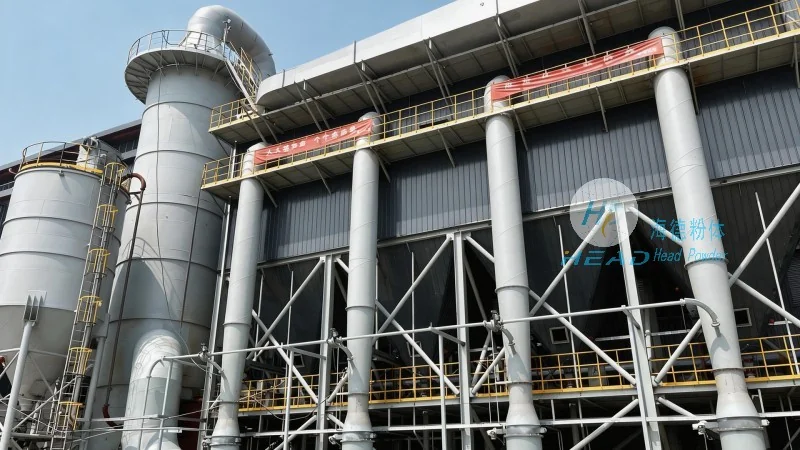
One of the primary advantages of pneumatic conveying systems in coke transport is their ability to streamline operations. By utilizing air pressure to move coke from source to destination, companies can achieve higher throughput rates compared to traditional conveyor systems. This efficiency translates into reduced labor costs and increased productivity, making it an attractive option for industrial facilities. HeadPowder’s expertise in designing customized pneumatic conveying solutions ensures that clients can optimize their coke handling processes according to specific operational requirements.
Enhanced Safety and Environmental Compliance
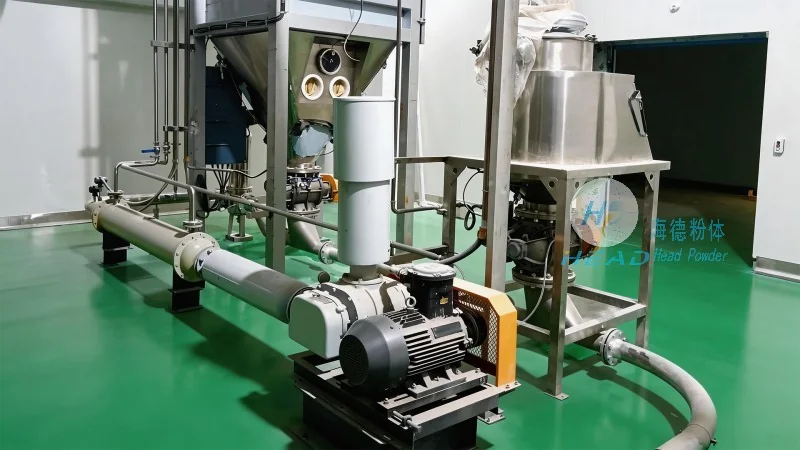
Traditional coke transport methods often involve manual handling or heavy machinery, which can pose safety risks to workers and increase the likelihood of accidents. Pneumatic conveying systems, on the other hand, minimize human intervention by automating the transport process. This not only enhances workplace safety but also reduces the risk of coke dust exposure, which is a significant health concern in the industry. Additionally, modern pneumatic conveying systems are designed to comply with environmental regulations, ensuring that coke transport is conducted in a manner that minimizes environmental impact. HeadPowder’s commitment to safety and sustainability is reflected in the advanced features of their conveying systems, which include dust collection and air filtration technologies.
Customized Solutions for Diverse Applications
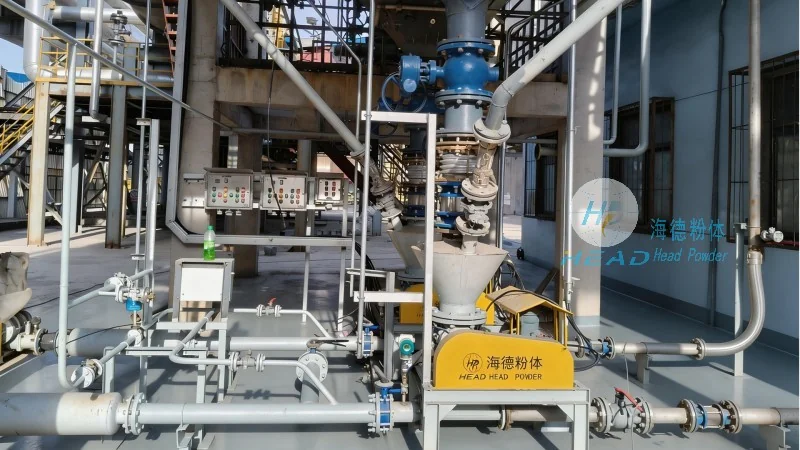
Every coke transport operation has unique challenges and requirements. HeadPowder understands this and offers tailored pneumatic conveying solutions that address specific needs. Whether it's transporting coke from a blast furnace to a storage silo or delivering it to a downstream processing unit, their systems are designed to handle varying particle sizes, moisture content, and flow rates. The company’s engineering team works closely with clients to assess their operational needs, providing recommendations on the most suitable conveying method—such as dilute-phase or dense-phase pneumatic conveying—based on factors like distance, material characteristics, and desired throughput. This customized approach ensures that clients achieve optimal performance and cost savings.
Reliability and Durability of Pneumatic Conveying Systems
HeadPowder’s pneumatic conveying systems are built to withstand the demanding conditions of coke transport. The components, including air compressors, pipelines, and material separation equipment, are constructed from high-quality materials that resist corrosion and wear. This durability ensures long-term operational reliability, reducing downtime and maintenance expenses. Moreover, the company’s systems are equipped with advanced monitoring and control features, allowing for real-time performance tracking and proactive maintenance. By leveraging these technologies, clients can maintain consistent coke transport operations while minimizing operational disruptions.
Conclusion: The Future of Coke Transport with Pneumatic Conveying
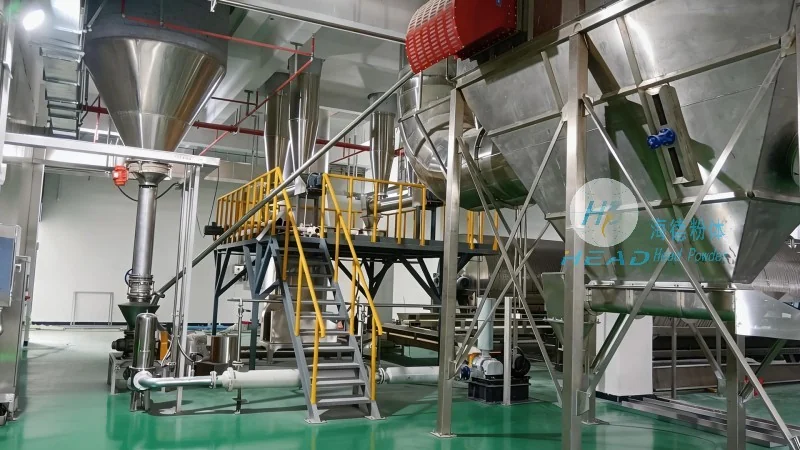
As industries continue to seek more efficient and sustainable material handling solutions, pneumatic conveying stands out as a superior method for coke transport. HeadPowder, with its expertise and commitment to innovation, is at the forefront of providing cutting-edge pneumatic conveying systems that meet the evolving needs of the industry. By leveraging this technology, companies can enhance operational efficiency, improve safety, and reduce costs, ultimately gaining a competitive edge in the market. The role of pneumatic conveying in coke transport is not just a technological advancement but a strategic investment in the long-term success of industrial operations.