

Application and Optimization of Pneumatic Conveying Technology in Phosphate Calcium Transport Design
HeadPowder, a leading engineering firm based in Shandong, China, specializes in providing advanced pneumatic conveying solutions tailored for the efficient and reliable transport of phosphate calcium materials. This article explores the application and optimization strategies of pneumatic conveying technology in the design of phosphate calcium transport systems, highlighting key considerations and technical advancements that enhance operational performance and cost-effectiveness.
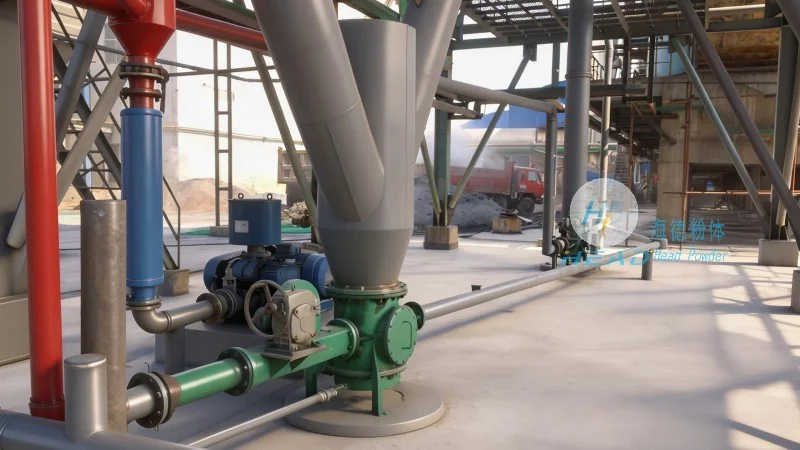
Understanding Pneumatic Conveying for Phosphate Calcium
Pneumatic conveying systems utilize air or gas to transport bulk materials like phosphate calcium through a pipeline network. This technology offers significant advantages over traditional mechanical conveying methods, including reduced equipment wear, lower maintenance costs, and the ability to handle materials with high moisture content or abrasive properties. For phosphate calcium, which is often used in industrial applications such as fertilizer production and food processing, the selection of an appropriate pneumatic conveying system is critical to ensure product integrity and process efficiency.
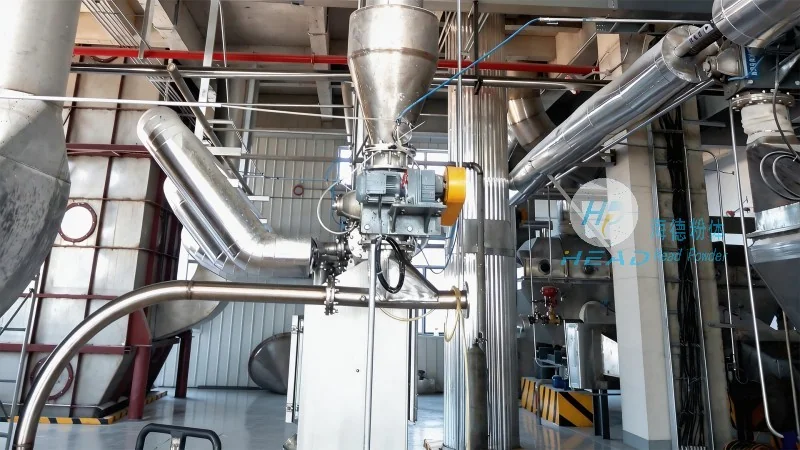
Key Design Considerations for Phosphate Calcium Transport
When designing a pneumatic conveying system for phosphate calcium, several factors must be carefully evaluated to optimize performance. These include the material's bulk density, flowability, and particle size distribution, as well as the required transport distance and throughput. HeadPowder engineers employ advanced computational fluid dynamics (CFD) and material testing to analyze these parameters, ensuring that the system is tailored to the specific characteristics of the phosphate calcium being handled. Additionally, the choice of conveying mode—such as dilute-phase or dense-phase—plays a crucial role in determining the system's efficiency and energy consumption. Dilute-phase systems are typically used for short to medium distances and high throughput, while dense-phase systems are preferred for longer distances or when preserving product quality is paramount.
Optimization Strategies for Pneumatic Conveying Systems
Optimizing pneumatic conveying systems for phosphate calcium involves a combination of technical adjustments and operational strategies. HeadPowder's approach includes selecting the appropriate air velocity to maintain material suspension without excessive pressure drop, which can lead to energy inefficiencies. The system's pressure and flow rate are also optimized to minimize wear on components and extend the lifespan of the equipment. Furthermore, the integration of advanced control systems allows for real-time monitoring and adjustment of conveying parameters, ensuring consistent performance and reducing downtime. By implementing these optimization strategies, companies can achieve significant improvements in productivity, energy savings, and overall operational reliability.
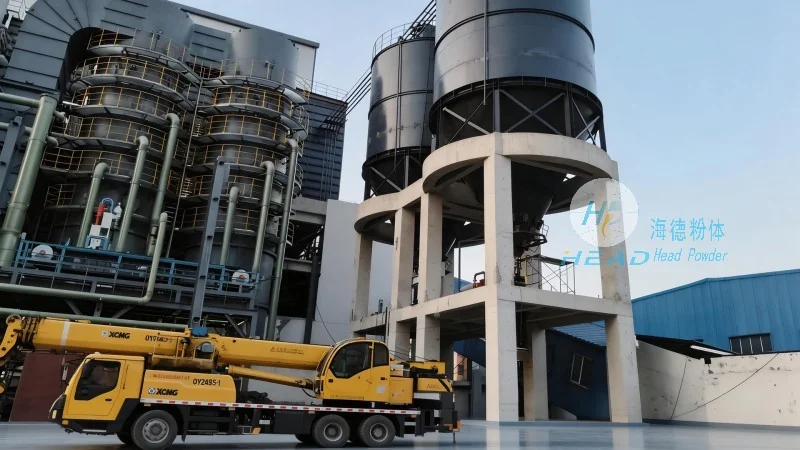
Benefits of HeadPowder's Pneumatic Conveying Solutions
HeadPowder Engineering Co., Ltd., with its headquarters in Shandong, China, offers comprehensive pneumatic conveying solutions that address the unique challenges of phosphate calcium transport. Our expertise in material handling engineering, combined with state-of-the-art technology and rigorous testing, ensures that our systems meet the highest standards of performance and reliability. The benefits of choosing HeadPowder's solutions include enhanced product quality, reduced operational costs, and improved safety through minimized material handling risks. Whether for new installations or system upgrades, HeadPowder provides tailored solutions that align with the specific needs of each client, delivering long-term value and operational excellence.