Types, Features, and Applications of Polystyrene Air Conveying Systems by HeadPowder
Release time:2026-09-14 10:47:36
name of the company:Shandong Headpowder Engineering Co., Ltd.
telephone:156-6277-7102
contacts:Zhang manager
Polystyrene air conveying systems represent a critical component in material handling and processing industries, offering efficient and reliable methods for transporting polystyrene materials. HeadPowder, a leading manufacturer based in Shandong, China, specializes in developing advanced air conveying solutions tailored to meet diverse industrial needs. This article provides an in-depth look at the types, key features, and application ranges of polystyrene air conveying systems offered by HeadPowder.
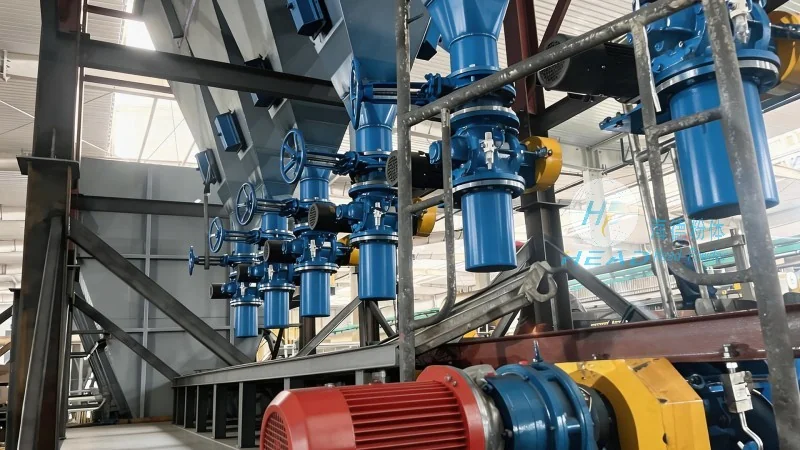
Overview of Polystyrene Air Conveying Systems
Polystyrene air conveying systems utilize pneumatic technology to transport polystyrene particles or granules through a pipeline using compressed air. These systems are designed to handle the unique properties of polystyrene, such as its lightweight, low density, and potential for static charge accumulation. The core components typically include a hopper, a blower or air compressor, a pipeline network, and a receiving hopper or silo. The system operates by drawing polystyrene material from the source hopper, conveying it through the pipeline, and depositing it at the destination point. This process minimizes material handling time and reduces the risk of contamination or damage to the polystyrene product.
Key Types of Polystyrene Air Conveying Systems
HeadPowder offers several types of polystyrene air conveying systems, each designed for specific operational requirements and material characteristics. The primary types include:
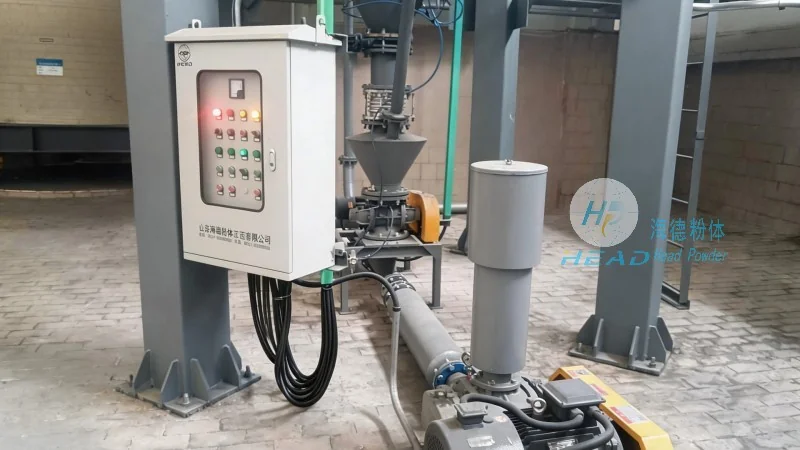
- Positive Pressure Conveying: This system uses compressed air to push polystyrene material through the pipeline. It is suitable for conveying materials over longer distances and is effective in preventing material degradation due to low air velocity. The positive pressure method ensures consistent material flow and reduces the risk of clogging.
- Negative Pressure (Vacuum) Conveying: In this system, a vacuum is created at the receiving end to draw polystyrene material from the source. It is ideal for applications where the material needs to be transported from a higher elevation to a lower one or where space constraints limit the use of positive pressure systems. Negative pressure conveying is particularly useful for handling fine polystyrene powders or granules.
- Two-Stage Conveying: This approach combines both positive and negative pressure stages to optimize material transport. The first stage uses positive pressure to move the material from the source to an intermediate point, while the second stage uses negative pressure to complete the transport to the final destination. Two-stage systems are beneficial for long-distance or complex conveying routes, ensuring efficient and reliable material transfer.
Key Features of Polystyrene Air Conveying Systems
The polystyrene air conveying systems developed by HeadPowder are characterized by several advanced features that enhance performance and reliability:
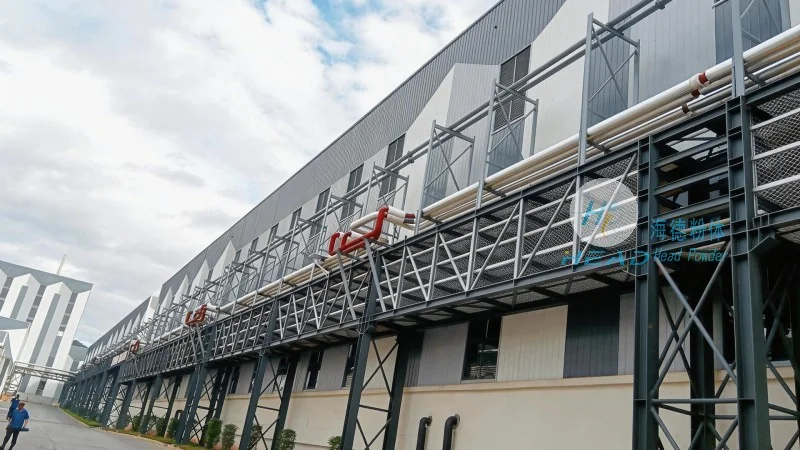
- Efficient Material Handling: The systems are engineered to handle polystyrene materials with minimal loss and maximum efficiency. The design minimizes material degradation, ensuring that the polystyrene retains its physical and chemical properties throughout the conveying process.
- Low Energy Consumption: Advanced blower and air compressor technologies are used to reduce energy consumption while maintaining optimal conveying performance. This feature helps in lowering operational costs and aligns with sustainable industrial practices.
- Customizable Design: HeadPowder offers customized solutions based on the specific requirements of the client, including material type, conveying distance, and environmental conditions. The systems can be tailored to fit existing infrastructure or new installations.
- Easy Maintenance: The components are designed for easy access and maintenance, reducing downtime and maintenance costs. The use of durable materials and robust construction ensures long-term reliability.
- Static Control: Polystyrene is prone to static charge accumulation, which can affect material flow and cause dust issues. HeadPowder's systems incorporate static control measures, such as grounding and anti-static additives, to prevent static buildup and ensure safe operation.
Application Ranges of Polystyrene Air Conveying Systems
Polystyrene air conveying systems find wide applications across various industries where polystyrene materials are processed or handled. The primary applications include:
- Plastic Manufacturing: In the production of polystyrene products, such as packaging materials, insulation, and consumer goods, air conveying systems are used to transport raw polystyrene granules from storage to processing equipment. This ensures a continuous and efficient supply of raw materials.
- Packaging Industry: The packaging sector utilizes polystyrene air conveying systems to transport polystyrene pellets or flakes to molding machines and packaging lines. The systems help in maintaining a consistent flow of material, reducing production downtime, and improving overall packaging efficiency.
- Construction Materials: Polystyrene is used in construction as insulation and structural components. Air conveying systems are employed to transport polystyrene beads or blocks to construction sites or storage areas, facilitating the efficient delivery of construction materials.
- Chemical Processing: In chemical plants that process polystyrene, air conveying systems are used to transport polystyrene powders or granules between processing units, such as reactors, dryers, and storage tanks. This ensures a smooth and continuous flow of materials in the chemical production process.
- Recycling Facilities: Polystyrene recycling operations often require the transport of recycled polystyrene materials from sorting and cleaning stages to processing equipment. Air conveying systems are used to handle these materials efficiently, ensuring that the recycling process is streamlined and cost-effective.
Conclusion
Polystyrene air conveying systems by HeadPowder offer advanced solutions for the efficient and reliable handling of polystyrene materials. With their diverse types, key features, and wide application ranges, these systems cater to the specific needs of various industries. HeadPowder's commitment to quality, customization, and innovation ensures that their air conveying systems provide long-term value and contribute to improved operational efficiency in material handling processes.




