Caustic soda, also known as sodium hydroxide, is a widely used chemical in various industrial processes. Efficient and safe material handling of caustic soda is crucial for maintaining operational efficiency and ensuring workplace safety. Pneumatic conveying systems offer a reliable solution for transporting caustic soda in bulk, providing advantages such as reduced dust exposure, minimized material loss, and improved process control. This article outlines key design considerations for implementing effective caustic soda pneumatic conveying systems, with a focus on practical solutions tailored to industrial needs.
Key Design Considerations for Caustic Soda Pneumatic Conveying
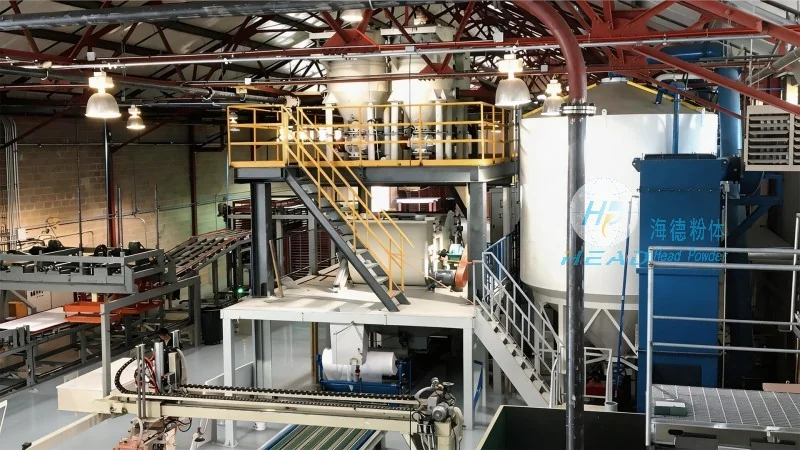
When designing a caustic soda pneumatic conveying system, several critical factors must be addressed to ensure optimal performance and longevity. First, the system must be constructed from materials compatible with caustic soda, such as stainless steel or specialized corrosion-resistant alloys. This prevents chemical reactions that could degrade the system components over time. Second, the selection of the conveying method—whether dilute phase or dense phase—depends on the specific application requirements, including the distance of material transport, the required flow rate, and the need to minimize product degradation. Dilute phase systems use low air-to-material ratios, suitable for short distances and low to moderate flow rates, while dense phase systems employ higher air-to-material ratios, ideal for longer distances and higher flow rates, with better control over material velocity and pressure.
System Components and Their Functionality
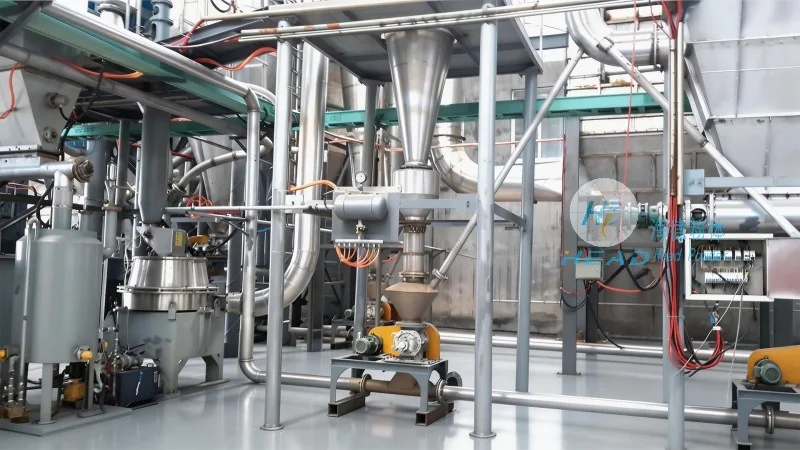
A caustic soda pneumatic conveying system typically consists of several key components, each playing a vital role in the overall operation. The feed hopper is responsible for storing and feeding the caustic soda into the system, ensuring a consistent material flow. The conveyor line, which may include straight sections, bends, and vertical lifts, transports the material from the feed point to the discharge point. The air compressor provides the necessary pressure to move the material through the system, with the choice of compressor type (e.g., rotary or reciprocating) depending on the system's capacity and pressure requirements. The control system manages the operation of the entire system, including air pressure, material flow, and safety interlocks. Additionally, dust collection and filtration systems are essential to maintain air quality and comply with environmental regulations, as caustic soda dust can be hazardous if not properly contained.
Material Handling and Safety Measures
Handling caustic soda requires strict adherence to safety protocols to protect personnel and equipment. The system design must incorporate features such as explosion-proof components, pressure relief valves, and emergency shut-off mechanisms to mitigate risks associated with chemical handling. Proper ventilation and dust suppression systems are also critical to prevent the accumulation of caustic soda dust, which can cause respiratory issues or other health hazards. Regular maintenance and inspection of the system are essential to ensure that all components are functioning correctly and that safety measures are in place. This includes checking for leaks, corrosion, and wear in the conveyor line and other components, as well as verifying that the air filtration system is operating effectively.
Application Examples and Industry Benefits
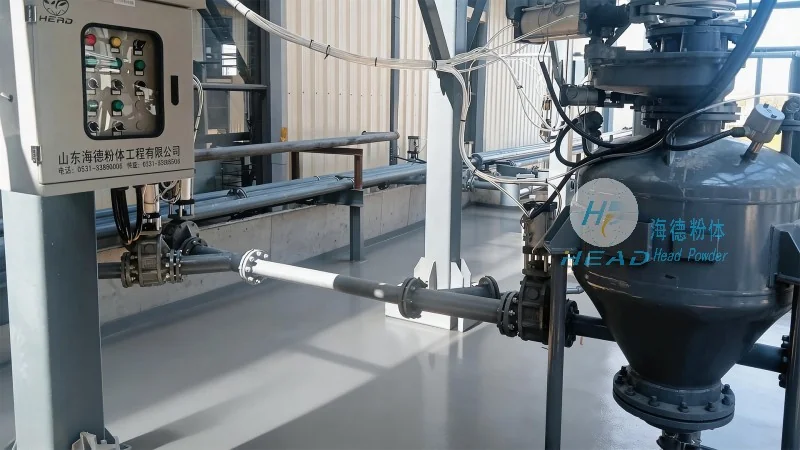
Caustic soda pneumatic conveying systems are widely used in various industries, including chemical manufacturing, pulp and paper production, and water treatment. In the chemical industry, these systems are used to transport caustic soda between reactors, storage tanks, and processing units, ensuring smooth production flow. In the pulp and paper industry, they are employed to handle caustic soda in bleaching processes, where consistent material delivery is crucial for maintaining paper quality. The benefits of using pneumatic conveying systems for caustic soda include increased operational efficiency, reduced labor costs, and improved product quality. By minimizing material loss and dust exposure, these systems also contribute to a safer working environment and lower environmental impact.
Customization and Scalability
HeadPowder Engineering Co., Ltd. specializes in designing and manufacturing customized caustic soda pneumatic conveying systems tailored to the specific needs of each client. With years of experience in the industry, the company understands the unique challenges associated with handling caustic soda and provides solutions that address these challenges effectively. The systems can be scaled to accommodate varying production capacities, from small-scale operations to large industrial plants. Customization options include different conveyor line lengths, material feed rates, and control system configurations, ensuring that the final solution meets the client's exact requirements. HeadPowder Engineering Co., Ltd. also offers maintenance and support services to ensure that the system operates at peak performance throughout its lifecycle.




