For industrial applications involving the handling of silica fume—a fine powder commonly used in concrete and other construction materials—efficient and reliable material transport is crucial. The pneumatic conveying system offered by Shandong HeadPowder Engineering Co., Ltd. (hereinafter referred to as headpowder) is designed to meet these demands, providing a robust solution for transporting silica fume with precision and minimal loss. This article provides an overview of the equipment, its structural design, and the underlying principles of its operation.
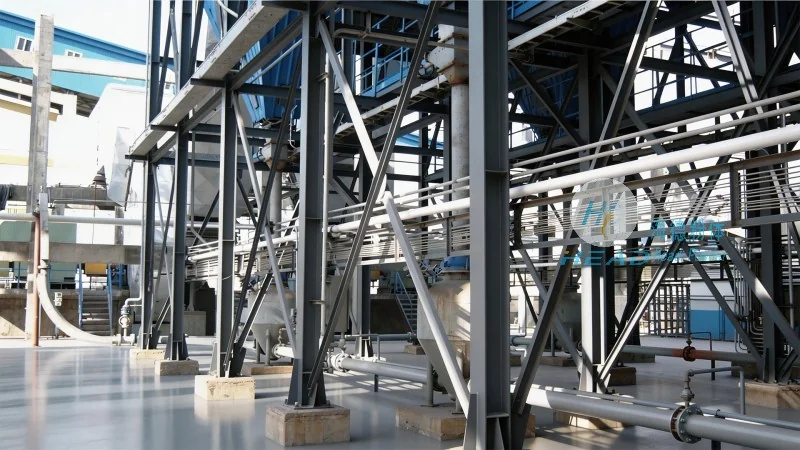
Overview of Silica Fume Pneumatic Conveying Equipment
Silica fume, also known as microsilica, is a byproduct of silicon metal or ferrosilicon production, characterized by its extremely fine particle size and high surface area. Handling this material requires specialized equipment to prevent caking, segregation, and dust emissions. The pneumatic conveying system developed by headpowder addresses these challenges by utilizing air as the conveying medium, ensuring a clean, dust-free transfer process. The equipment is engineered to handle high volumes of silica fume while maintaining consistent flow rates and minimizing material degradation.
Key Structural Components and Their Functions
The pneumatic conveying system consists of several critical components, each playing a vital role in the overall operation. The main structural elements include:
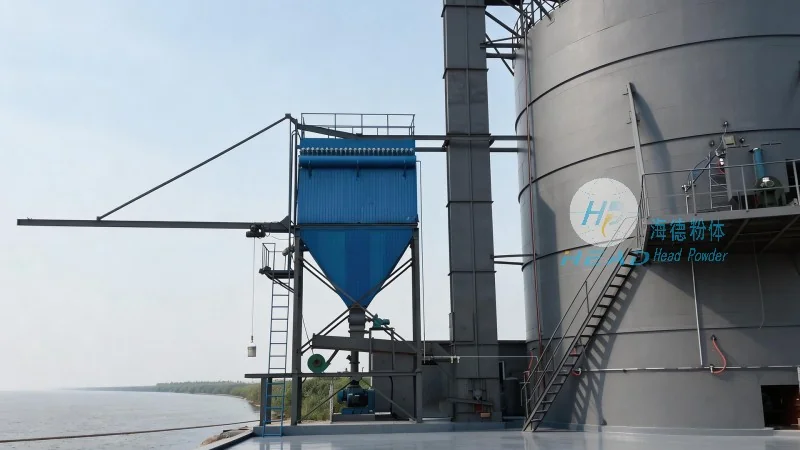
- Conveying Hopper: This is the initial storage container where silica fume is loaded. It is designed with a smooth interior to prevent material buildup and features a discharge valve for controlled material release.
- Air Supply System: Comprising an air compressor and a filter, this system generates the necessary pressure and clean air to drive the material through the pipeline. The compressor ensures consistent air pressure, while the filter removes contaminants to protect downstream components.
- Pneumatic Conveying Pipe: Made from corrosion-resistant materials such as stainless steel or polyethylene, the pipe transports the silica fume-air mixture. The pipe is equipped with bends and elbows that are carefully designed to minimize pressure loss and prevent material deposition.
- Control Valves and Regulators: These components manage the flow of air and material, allowing for precise control over the conveying process. They include check valves, flow meters, and pressure regulators to maintain optimal operating conditions.
- Receiving Hopper or Discharge Point: The final component where the silica fume is deposited. It is designed to handle the material's fine nature and prevent spillage or dust emission during discharge.
Working Principle of the Pneumatic Conveying System
The operation of the silica fume pneumatic conveying system is based on the principle of fluidization and drag conveyance. When air is introduced into the conveying hopper at a controlled pressure, it creates a fluidized bed of silica fume particles. This fluidized state allows the material to be entrained by the air stream and carried through the pipeline to the receiving hopper. The air velocity is maintained above the material's terminal velocity to ensure efficient transport without causing excessive wear on the pipe or components.
The system operates in two primary modes: dilute phase and dense phase. In dilute phase conveying, the air-to-material ratio is high, resulting in a low concentration of material in the air stream. This mode is suitable for long-distance transport and is less prone to blockages. In dense phase conveying, the air-to-material ratio is lower, leading to a higher concentration of material in the air stream. This mode is ideal for short-distance transport or when handling sensitive materials that require gentle handling.
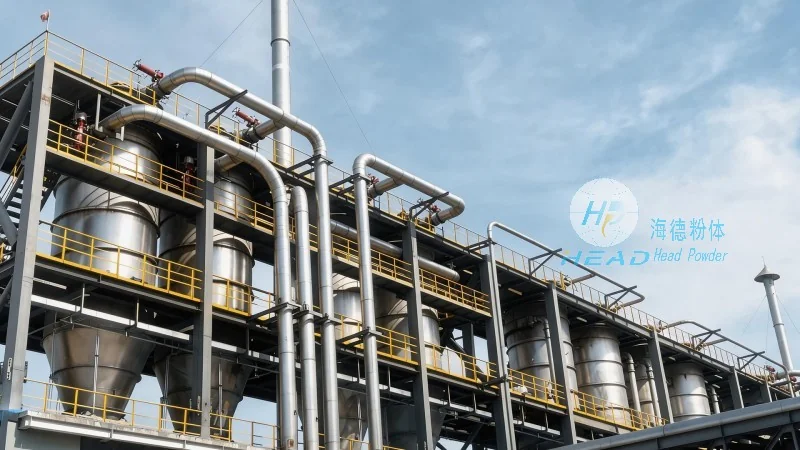
Advantages of Using Pneumatic Conveying for Silica Fume
Compared to traditional mechanical conveying methods, the pneumatic system offers several advantages for silica fume handling:
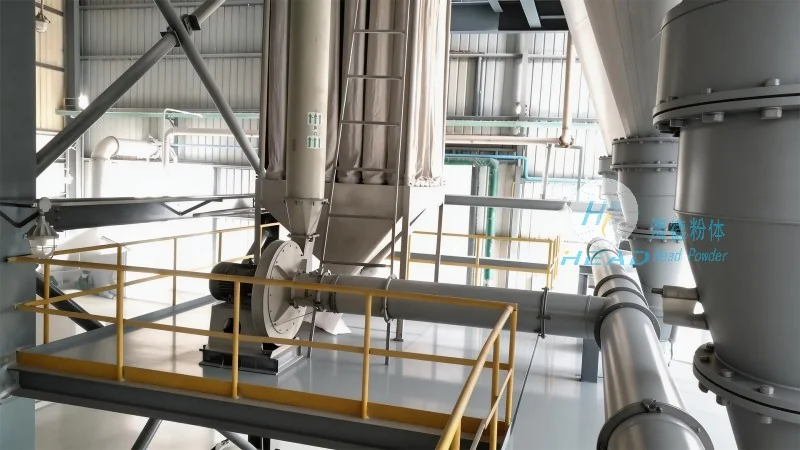
- Reduced Material Loss and Contamination: The enclosed system minimizes dust emissions and prevents cross-contamination with other materials, ensuring the purity of the silica fume.
- Improved Process Efficiency: The system allows for continuous operation, reducing downtime and increasing overall productivity. It also enables precise control over material flow rates, which is critical for maintaining consistent product quality.
- Enhanced Safety: By eliminating the need for manual handling of fine powders, the system reduces the risk of respiratory issues and other health hazards associated with silica dust exposure.
- Flexibility in Layout: The pneumatic conveying system can be easily integrated into existing production lines, with the ability to change the layout or add additional conveying points without major modifications.
Application Scenarios and Operational Considerations
The silica fume pneumatic conveying equipment is widely used in various industrial applications, including concrete production, refractory manufacturing, and chemical processing. The system is particularly suitable for facilities that require high-volume, continuous transport of fine powders. Operational considerations include:
- Material Properties: The system must be adapted to the specific characteristics of the silica fume, such as particle size distribution, moisture content, and density. Proper selection of equipment components is essential to ensure optimal performance.
- Air Pressure and Flow Rate: The air pressure and flow rate must be carefully calibrated to match the material's properties and the desired conveying distance. Incorrect settings can lead to blockages or inefficient transport.
- System Maintenance: Regular maintenance of the air compressor, filters, and pipe system is necessary to prevent wear and ensure long-term reliability. This includes cleaning filters, inspecting for leaks, and replacing worn components.
Conclusion
Shandong HeadPowder Engineering Co., Ltd. provides a comprehensive solution for the pneumatic conveying of silica fume, combining advanced structural design with reliable operational principles. The equipment is engineered to meet the stringent requirements of modern industrial applications, offering benefits such as improved efficiency, enhanced safety, and reduced material loss. By leveraging the expertise of headpowder, industries can achieve optimal material handling for silica fume, ensuring consistent quality and productivity in their processes.




