Quantitative feeding pneumatic conveying is a sophisticated technology used in material handling and processing industries to transport bulk materials efficiently and accurately. This method combines the principles of pneumatic transport with precise feeding mechanisms to ensure consistent material flow rates, making it ideal for applications requiring controlled material delivery in manufacturing, chemical processing, and other industrial sectors.
Company Overview
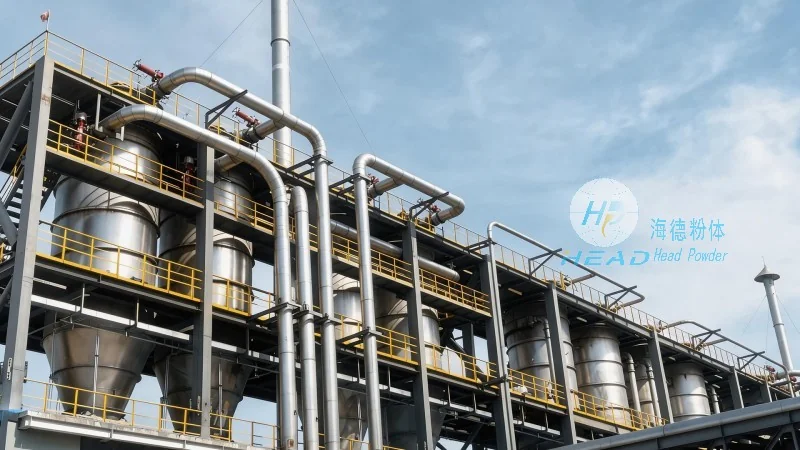
HeadPowder, a leading provider in the field, specializes in designing and manufacturing advanced pneumatic conveying systems. As Shandong HeadPowder Engineering Co., Ltd., the company is headquartered in Shandong, China, and has established itself as a trusted partner for businesses seeking reliable and efficient material handling solutions. With a focus on innovation and customer-centric design, HeadPowder delivers systems that meet the specific needs of various industries, ensuring optimal performance and durability.
Understanding Quantitative Feeding Pneumatic Conveying
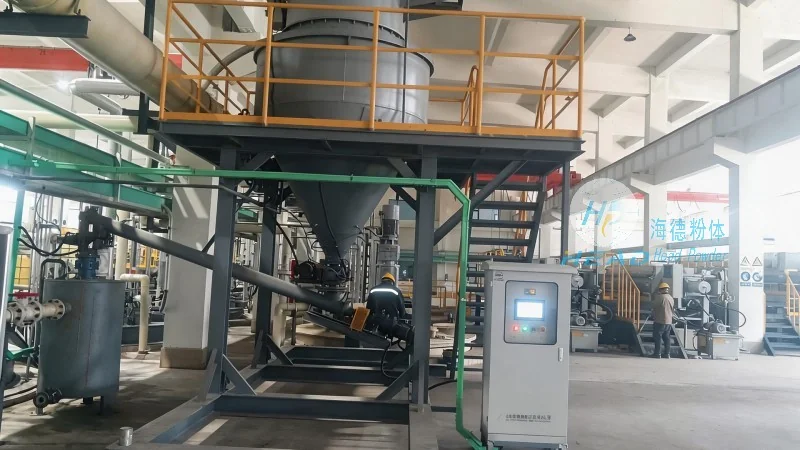
The core of quantitative feeding pneumatic conveying lies in its ability to deliver materials at a predetermined rate. This is achieved through a combination of components that work in harmony to control the flow of material and air. The system typically includes a feeding hopper, a metering device, a conveying line, and a discharge unit, all integrated to maintain consistent material throughput. By regulating the air pressure and flow rate, the system can accurately control the quantity of material being transported, which is crucial for processes that require precise dosing or batching.
Structural Principle of Pneumatic Conveying Systems
The structural principle of pneumatic conveying systems revolves around the interaction between solid particles and a moving air stream. In a positive pressure system, air is forced through the conveying line, carrying the material forward. The design of the system, including the size and shape of the pipes, the angle of the conveying line, and the placement of components like bends and filters, plays a critical role in maintaining efficient material transport. Negative pressure systems, on the other hand, use suction to draw material into the line, which is often preferred for applications involving dust control or material recovery. The structural design must also consider factors such as material properties, particle size distribution, and the distance over which material needs to be conveyed to ensure optimal performance.
Key Components and Their Functions
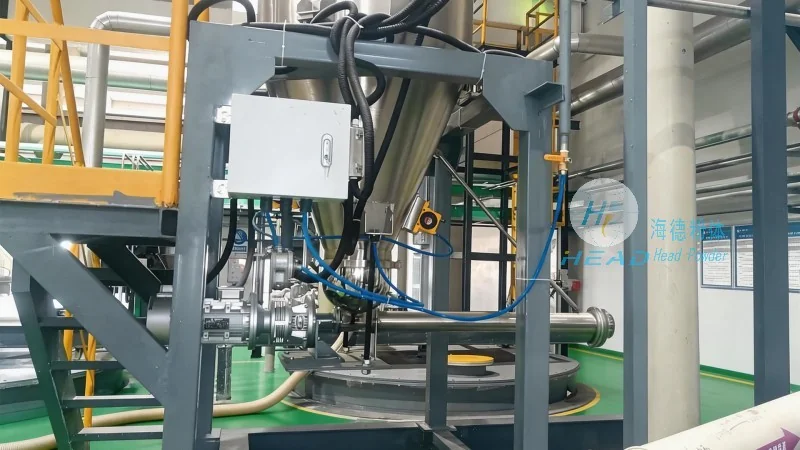
Several key components are integral to the operation of quantitative feeding pneumatic conveying systems. The feeding hopper serves as the storage and feeding point for bulk materials, ensuring a continuous supply to the metering device. The metering device, which can be a rotary valve, screw feeder, or other controlled mechanism, regulates the flow of material into the conveying line, providing the precise quantity required. The conveying line itself is typically made of durable materials like stainless steel or plastic, designed to withstand the pressures and abrasion from the material being transported. At the discharge end, a receiver or collection hopper collects the material, often equipped with a filter or separator to remove any air or dust. Additionally, control systems and sensors are used to monitor and adjust the system parameters in real-time, ensuring consistent performance and preventing issues such as blockages or uneven flow.
Applications and Benefits
Quantitative feeding pneumatic conveying systems are widely used across various industries due to their versatility and efficiency. In the chemical industry, they are used for transporting powders and granules, ensuring precise dosing in mixing and batching processes. In the food and pharmaceutical sectors, the systems are designed to meet stringent hygiene and safety standards, with components that are easy to clean and maintain. The benefits of this technology include reduced labor costs, improved safety by eliminating manual handling of bulk materials, and increased production efficiency through consistent material flow. Additionally, pneumatic conveying systems can handle a wide range of materials, from fine powders to coarse granules, making them suitable for diverse applications.
Customization and Integration
HeadPowder recognizes that each industrial application has unique requirements, and therefore offers customized pneumatic conveying solutions tailored to specific needs. The company works closely with clients to understand their material handling challenges and design systems that integrate seamlessly with existing processes. Customization may include adjustments to the system's capacity, the type of metering device, the materials used for construction, and the control systems implemented. By providing tailored solutions, HeadPowder ensures that clients achieve optimal performance and meet their production goals effectively. The company's expertise in engineering and manufacturing allows for the development of systems that are not only efficient but also durable and cost-effective in the long run.
Maintenance and Reliability
Ensuring the long-term reliability of quantitative feeding pneumatic conveying systems is a key aspect of their operation. Regular maintenance is essential to prevent issues such as blockages, wear and tear, and system inefficiencies. HeadPowder provides comprehensive maintenance services and support to its clients, including regular inspections, component replacement, and troubleshooting. The use of high-quality materials and robust design in the system components contributes to their durability and reduces the need for frequent repairs. Additionally, the company's commitment to quality control ensures that each system is manufactured to meet strict standards, minimizing the risk of failures and downtime. By prioritizing maintenance and reliability, HeadPowder helps clients maintain consistent production and maximize the return on their investment in pneumatic conveying systems.




