

Operation Process and Working Principle of Ceramic Pneumatic Conveying Systems
For industrial applications involving the handling of ceramic materials, efficient and reliable material transport is crucial. Ceramic pneumatic conveying systems, such as those offered by Shandong HeadPowder Engineering Co., Ltd., utilize air to move powders and granules through a network of pipes and components. This article explores the operation process and working principle of ceramic pneumatic conveyors, highlighting the key mechanisms that enable smooth material transfer while maintaining product integrity.
Understanding the Core Working Principle
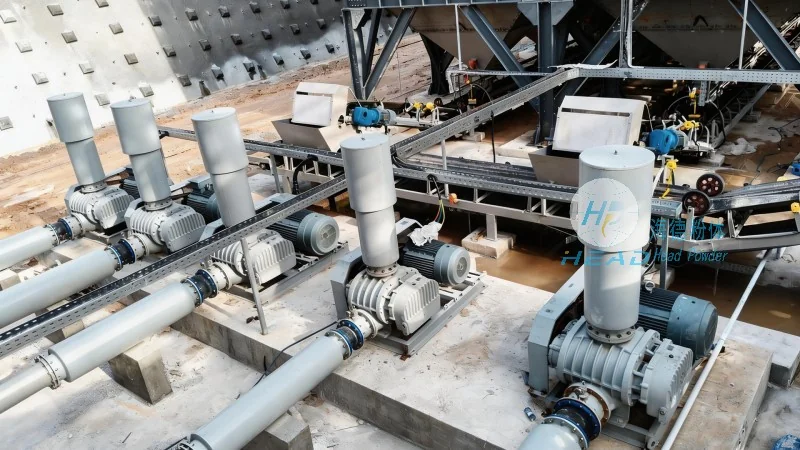
The fundamental principle behind ceramic pneumatic conveying is the use of compressed air to create a flow that propels material particles through a closed system. Unlike mechanical conveyors that rely on physical contact or gravity, pneumatic systems employ air pressure to transport materials, which is particularly advantageous for delicate or abrasive ceramic powders. The system typically consists of a hopper, a blower or air compressor, a conveying line, and a receiver or discharge point. The process begins with the material being fed into the hopper, where it is then drawn into the conveying line by the moving air stream.
Key Components and Their Roles
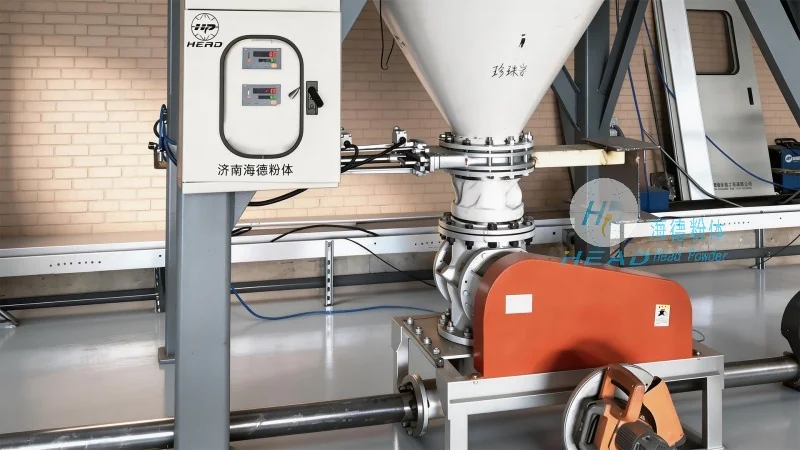
Each component in a ceramic pneumatic conveying system plays a critical role in ensuring efficient operation. The hopper serves as the storage and feeding unit, where ceramic powders are loaded before being introduced into the system. The blower or air compressor generates the necessary air pressure and flow rate to move the material. The conveying line, often made of materials resistant to abrasion and corrosion, such as stainless steel or special plastics, transports the material from the hopper to the discharge point. The receiver or discharge unit collects the material at the end of the conveying line, completing the transfer process. These components work in tandem to create a seamless flow of ceramic materials, minimizing downtime and ensuring consistent performance.
The Step-by-Step Operation Process
The operation of a ceramic pneumatic conveyor follows a systematic sequence of steps. First, the ceramic material is loaded into the hopper. The system then activates the blower, which generates a flow of compressed air. The air flow creates a negative pressure within the conveying line, drawing the material from the hopper into the pipe. As the material travels through the line, it is carried by the air stream, which may be either positive or negative pressure depending on the system design. The material is then discharged into the receiver at the end of the line. This process is typically continuous, allowing for uninterrupted material transfer. The entire operation is controlled by a system of valves, sensors, and controls that monitor pressure, flow rate, and material level, ensuring optimal performance and safety.
Advantages of Ceramic Pneumatic Conveying
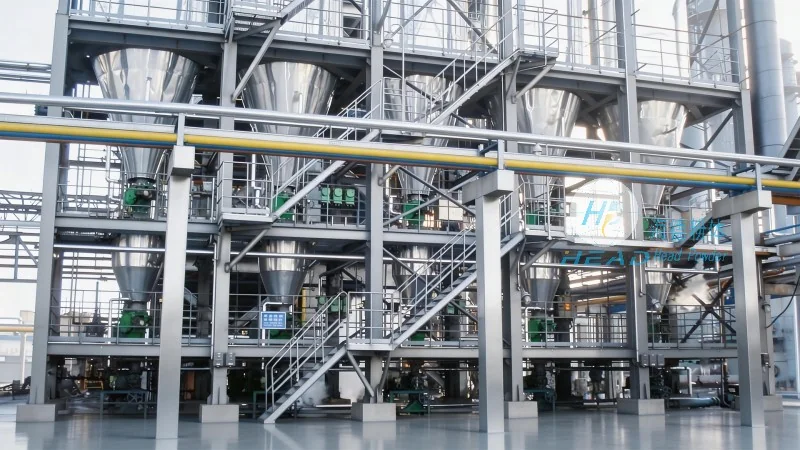
Ceramic pneumatic conveying systems offer several advantages over traditional mechanical methods. One of the primary benefits is the ability to handle delicate or abrasive ceramic powders without causing damage or contamination. The enclosed system prevents dust and particles from escaping, maintaining a clean and safe working environment. Additionally, pneumatic conveyors can transport materials over long distances and through complex layouts, including vertical lifts and multiple branches, with minimal maintenance. The system also allows for precise control over material flow rates, ensuring consistent product quality. These advantages make ceramic pneumatic conveying an ideal solution for industries such as ceramics manufacturing, pharmaceuticals, and food processing, where material integrity and efficiency are paramount.
Conclusion
Ceramic pneumatic conveying systems, as exemplified by the solutions from Shandong HeadPowder Engineering Co., Ltd., represent a sophisticated approach to material handling. By leveraging the principles of air pressure and flow, these systems efficiently transport ceramic materials while maintaining product quality and operational efficiency. The step-by-step operation process, combined with robust components and precise controls, ensures reliable performance in various industrial applications. As a leading provider in the field, Shandong HeadPowder Engineering Co., Ltd. continues to advance the technology of ceramic pneumatic conveying, offering tailored solutions that meet the specific needs of clients in China and beyond.