

Operation Process and Working Principle of Fine Material Pneumatic Conveyor
For industries dealing with fine materials, efficient and reliable material handling is crucial. The fine material pneumatic conveyor, a specialized equipment designed for transporting powders and granules, plays a vital role in streamlining production processes. This article delves into the operation process and working principle of such equipment, highlighting its significance in modern industrial applications.
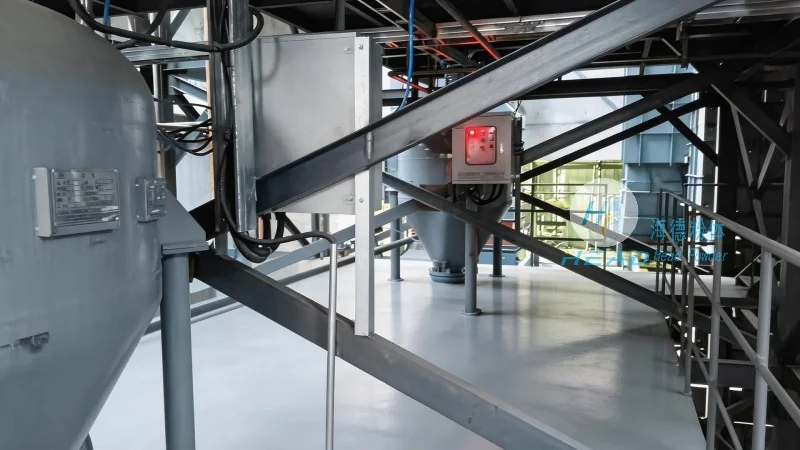
Introduction to Fine Material Pneumatic Conveying Equipment
Fine material pneumatic conveyors are systems that use compressed air or gas to transport dry, free-flowing materials like powders, granules, and small particles. Unlike traditional mechanical conveyors, these systems offer advantages such as minimal product contamination, low maintenance, and the ability to handle materials in a closed environment. The equipment is widely used in sectors including pharmaceuticals, food processing, chemical manufacturing, and more, where maintaining product integrity and hygiene is paramount.
Company Overview: HeadPowder
HeadPowder, or Shandong HeadPowder Engineering Co., Ltd., is a leading manufacturer of pneumatic conveying equipment based in Shandong, China. With years of expertise in the field, the company specializes in designing, manufacturing, and supplying high-quality fine material pneumatic conveyors tailored to meet diverse industrial needs. HeadPowder's commitment to innovation and quality ensures that their products deliver optimal performance and reliability in various applications.
The Operation Process of Pneumatic Conveying Systems
The operation of a fine material pneumatic conveyor involves several key steps. First, the material is fed into the system, typically from a hopper or silo. Then, compressed air is introduced into the conveying line, creating a flow that propels the material through the system. The air and material mixture travels through the pipeline, with the material being separated from the air at the discharge point. This process ensures efficient and continuous material transport without the need for mechanical components that could cause wear or contamination.
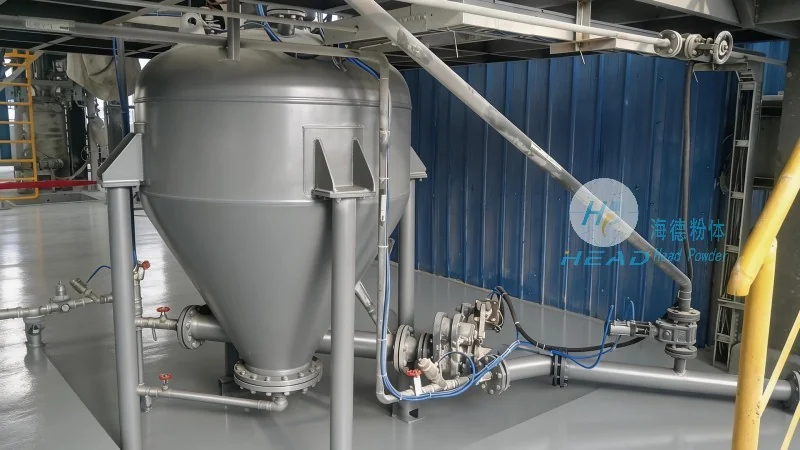
Working Principle of Pneumatic Conveying Technology
The core working principle of pneumatic conveying is based on the Bernoulli effect and the principles of fluid dynamics. Compressed air creates a pressure differential that generates the necessary force to move the material. The air velocity is carefully controlled to ensure that the material is suspended and transported without causing excessive wear or degradation. The system can operate in either positive pressure or negative pressure modes, depending on the specific requirements of the application. Positive pressure systems push the material through the pipeline using compressed air, while negative pressure systems draw the material in using vacuum.
Key Components and Their Roles
A fine material pneumatic conveyor consists of several essential components, each playing a critical role in the overall operation. These include the hopper or feeder, which holds and feeds the material; the air compressor or vacuum pump, which provides the necessary pressure or vacuum; the conveying line, which transports the material; the separation or cyclone unit, which separates the material from the air; and the discharge or collection hopper. Each component is designed to work in harmony, ensuring efficient and reliable material transport. For example, the hopper ensures a consistent feed rate, while the cyclone effectively separates the material from the air, preventing clogging and maintaining system performance.
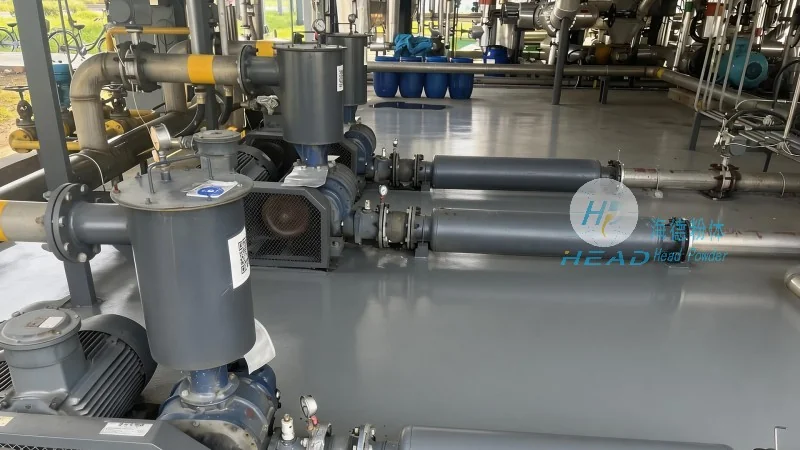
Applications and Benefits of Fine Material Pneumatic Conveyors
Fine material pneumatic conveyors are versatile and can be applied in a wide range of industries. In pharmaceutical manufacturing, they are used to transport active pharmaceutical ingredients (APIs) and excipients with high precision and minimal contamination. In food processing, they handle ingredients like flour, sugar, and spices, ensuring product safety and quality. In chemical manufacturing, they transport powders and granules, reducing the risk of dust explosions and improving workplace safety. The benefits of using such equipment include reduced labor costs, improved product quality, enhanced safety, and increased production efficiency. Additionally, the closed system design minimizes environmental impact by preventing dust emissions and maintaining a clean working environment.
Maintenance and Operational Considerations
To ensure the longevity and optimal performance of a fine material pneumatic conveyor, regular maintenance is essential. This includes checking the air compressor or vacuum pump for proper operation, inspecting the conveying line for blockages or wear, and cleaning the separation unit to prevent clogging. Proper maintenance can extend the lifespan of the equipment and reduce downtime. Operational considerations also include selecting the appropriate air pressure and flow rate based on the material characteristics and system requirements. Overloading the system or using incorrect air pressure can lead to reduced efficiency or equipment damage. HeadPowder provides comprehensive maintenance services and technical support to help customers maximize the performance of their pneumatic conveying systems.
Conclusion
Fine material pneumatic conveyors are indispensable equipment in modern industrial settings, offering efficient, reliable, and hygienic material handling solutions. The operation process and working principle of these systems are based on well-established principles of fluid dynamics and engineering, ensuring consistent performance across various applications. With advancements in technology, these systems continue to evolve, providing even greater efficiency and flexibility. As industries strive for higher productivity and product quality, the role of fine material pneumatic conveyors will only become more critical. Shandong HeadPowder Engineering Co., Ltd. remains at the forefront of this technology, providing high-quality equipment and support to meet the evolving needs of the industry.