

Operation Process and Working Principle of the Gaseous Conveying System for Glycine
The gaseous conveying system for glycine, developed by Shandong HeadPowder Engineering Co., Ltd., is a specialized equipment designed to efficiently transport glycine, a key amino acid, through pneumatic means. This system integrates advanced engineering principles to ensure reliable and safe material handling, making it an essential solution for industries that require precise and controlled movement of this chemical compound.
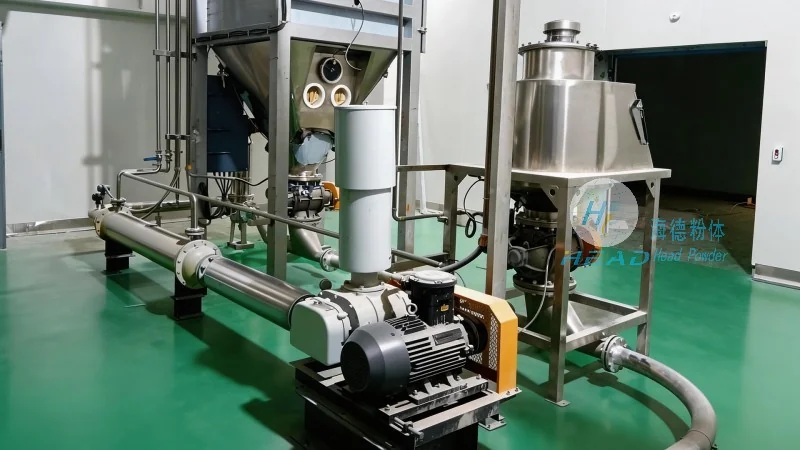
Key Components of the Gaseous Conveying System
The system comprises several critical components that work in tandem to achieve effective conveying. These include the material hopper, which stores the glycine; the air compressor, responsible for generating the necessary air pressure; the conveying pipeline, which transports the material; and the control unit, which manages the entire operation. Each component is meticulously designed to handle the specific properties of glycine, such as its granular or powder form, ensuring optimal performance.
Working Principle of the Gaseous Conveying System
The operation of the gaseous conveying system for glycine is based on the principle of pneumatic transport. The process begins with the material being fed into the hopper. The air compressor then generates a high-pressure air stream, which is introduced into the conveying pipeline. As the air flows through the pipeline, it creates a low-pressure zone that draws the glycine particles into the air stream. The mixture of air and material is then transported to the destination point, where a separator or cyclone separates the material from the air, allowing the glycine to be deposited in the receiving container. This method eliminates the need for mechanical components like belts or screws, reducing maintenance and increasing operational efficiency. The system is designed to handle both granular and powder forms of glycine, ensuring that the conveying process is effective regardless of the material's physical state. The air flow rate and pressure are carefully controlled to maintain a consistent conveying rate, preventing material blockages or excessive air consumption. The separator at the receiving end is crucial for maintaining the purity of the glycine, as it removes any residual air and ensures that the material is deposited without contamination.
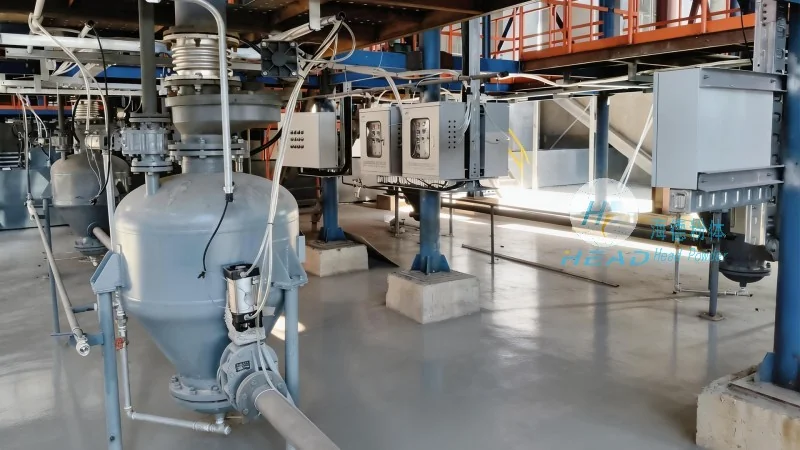
Operation Process of the Gaseous Conveying System
The operation process of the system is straightforward and highly automated. Initially, the glycine is loaded into the material hopper. The control unit then activates the air compressor, which starts generating the required air pressure. Once the pressure is stable, the conveying valve is opened, allowing the air to flow and the glycine to be drawn into the pipeline. The system continuously monitors the flow rate and pressure, adjusting as needed to maintain a consistent conveying rate. At the receiving end, the separator ensures that the glycine is efficiently separated from the air, preventing any loss or contamination. The entire process is controlled by a programmable logic controller (PLC), which allows for precise management of the conveying parameters, such as air volume and pressure, to optimize the system's performance. The PLC also provides real-time data on the system's operation, enabling operators to monitor and adjust the process as required.
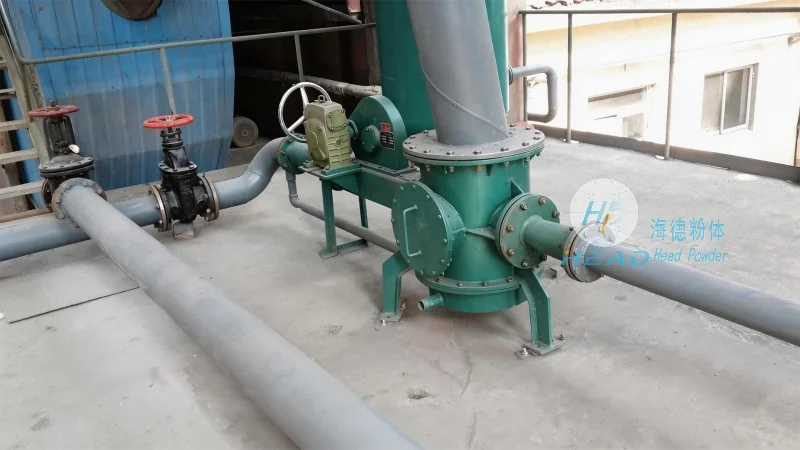
Advantages of the Gaseous Conveying System for Glycine
Compared to traditional mechanical conveying methods, the gaseous conveying system offers several advantages. Firstly, it provides a hygienic and dust-free environment, which is crucial for handling food-grade chemicals like glycine. The enclosed pipeline system prevents contamination from external sources, maintaining the purity of the product. Secondly, the system is highly efficient, with minimal energy consumption and low maintenance requirements. The absence of moving parts reduces the risk of mechanical failure and the need for frequent repairs. Additionally, the system can handle a wide range of material sizes and flow rates, making it versatile for different production scales. The ability to transport glycine over long distances without the need for intermediate storage points also enhances operational flexibility. The system's reliability and low downtime make it an attractive option for continuous production lines, where uninterrupted operation is essential.
Application and Industry Relevance
The gaseous conveying system for glycine is widely used in various industries, including pharmaceuticals, food processing, and chemical manufacturing. In the pharmaceutical industry, it is used to transport glycine for the production of amino acid-based drugs and supplements, where purity and consistency are paramount. The system's ability to maintain the integrity of the material ensures that the final product meets stringent quality standards. In the food industry, it is employed in the processing of glycine as a flavor enhancer or nutritional supplement, ensuring that the product is free from contaminants and maintains its nutritional value. The system's hygienic design is particularly important in food processing, as it complies with regulatory requirements for food contact surfaces. By providing a reliable and efficient means of conveying glycine, the system supports the smooth operation of production lines and enhances overall productivity. The system's adaptability to different production needs makes it a valuable asset for companies that handle glycine in various forms and quantities.