

Operation Process and Working Principle of Sawdust Wood Flakes Pneumatic Conveying System
Shandong HeadPowder Engineering Co., Ltd., commonly known as HeadPowder, specializes in the design, manufacturing, and installation of advanced pneumatic conveying systems. The company, based in Shandong, China, has extensive experience in optimizing material handling solutions for various industries, including woodworking and biomass processing. This article provides a detailed overview of the operation process and working principle of a sawdust wood flakes pneumatic conveying system, highlighting the key components and the efficient mechanisms that enable seamless material transport.
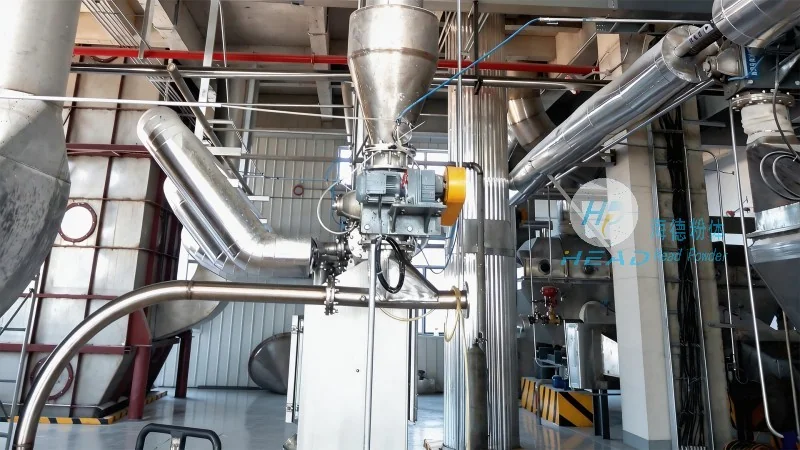
Key Components of the Pneumatic Conveying System
The sawdust wood flakes pneumatic conveying system consists of several critical components that work in tandem to ensure reliable and efficient material transport. The primary components include the material feeding unit, the air supply system, the conveying pipeline, the separation and filtration system, and the discharge unit. Each component plays a vital role in the overall operation, contributing to the system's performance and durability.
Material Feeding Unit
The material feeding unit is responsible for introducing sawdust or wood flakes into the system. It typically includes a hopper or a feeder that can handle bulk materials, ensuring a consistent and controlled flow of the material into the conveying pipeline. The design of the feeding unit is crucial to prevent blockages and maintain the integrity of the material during the feeding process. For sawdust and wood flakes, which are lightweight and prone to dust generation, the feeding unit is often equipped with features such as a rotary valve or a screw feeder to regulate the material flow smoothly.
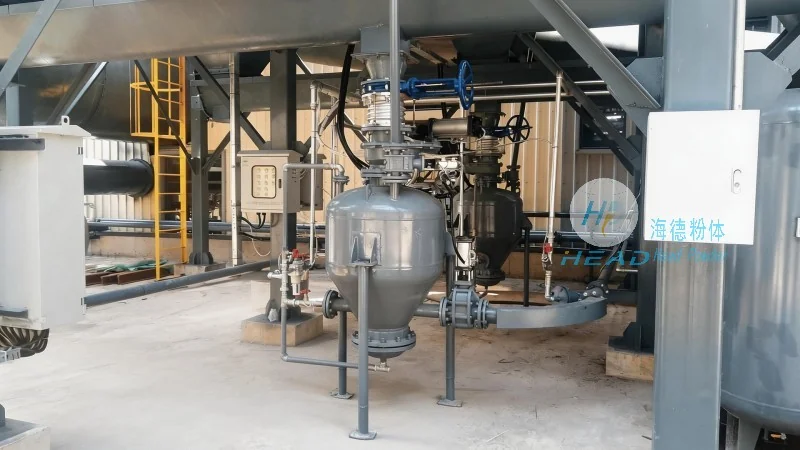
Air Supply System
The air supply system is the heart of the pneumatic conveying system, providing the necessary pressure and volume of air to move the material through the pipeline. This system typically includes a blower or a compressor, which generates the required air pressure. The air supply is carefully controlled to match the material characteristics and the conveying distance, ensuring optimal performance. The blower or compressor is often equipped with a filter to remove any contaminants from the air, preventing damage to the system and maintaining the quality of the conveyed material.
Conveying Pipeline
The conveying pipeline is the main channel through which the sawdust or wood flakes are transported. It is usually made of high-quality materials such as stainless steel or PVC, which are resistant to corrosion and wear from the abrasive material. The pipeline is designed with appropriate bends and elbows to guide the material efficiently, minimizing pressure losses and ensuring a smooth flow. The diameter of the pipeline is selected based on the material's properties and the required conveying capacity, balancing the need for sufficient volume and the energy efficiency of the system.
Separation and Filtration System
After the material reaches its destination, the separation and filtration system is responsible for separating the material from the air and cleaning the air before it is released back into the environment. This system typically includes a cyclone separator or a bag filter, which captures the sawdust or wood flakes and returns them to the discharge unit. The air, now clean, is then discharged or recirculated back into the system, depending on the specific application. The separation efficiency of this system is critical to maintaining the quality of the conveyed material and ensuring compliance with environmental regulations.
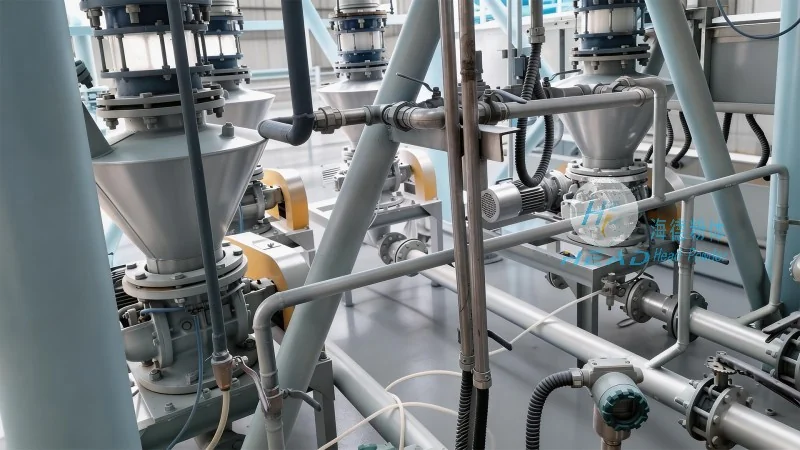
Discharge Unit
The discharge unit is the final component of the pneumatic conveying system, responsible for releasing the material from the pipeline into the receiving container or storage area. It is designed to handle the material smoothly and prevent any spillage or blockage. The discharge unit may include a rotary valve or a gate valve, which controls the flow of the material out of the system. The design of the discharge unit is tailored to the specific material characteristics, ensuring that the material is discharged without any damage or loss.
Operation Process of the Pneumatic Conveying System
The operation process of the sawdust wood flakes pneumatic conveying system involves several sequential steps that ensure the efficient transport of the material. The process begins with the feeding of the sawdust or wood flakes into the material feeding unit. The material is then introduced into the conveying pipeline by the air supply system, which creates a pressure differential that propels the material forward. As the material travels through the pipeline, it is mixed with the air, forming a slurry-like mixture that moves at high velocity. The mixture reaches the destination point, where the separation and filtration system separates the material from the air. The material is then discharged into the receiving container, while the clean air is either released or recirculated. The entire process is automated and controlled by a system of sensors and controls, ensuring consistent performance and minimal human intervention.
Working Principle of the Pneumatic Conveying System
The working principle of the sawdust wood flakes pneumatic conveying system is based on the principles of fluid dynamics and particle motion. The system operates by creating a pressure difference between the inlet and outlet of the conveying pipeline. The air supply system generates a high-pressure air stream, which is introduced into the pipeline at the feeding point. The material is then introduced into the pipeline, and the air flow entrains the material particles, lifting them off the pipeline walls and moving them forward. The velocity of the air stream is sufficient to overcome the gravitational force acting on the material particles, ensuring that they are carried along the pipeline. The separation and filtration system works by using centrifugal force to separate the material from the air. The air stream is directed into a cyclone or a bag filter, where the material particles are forced to the outer wall due to the centrifugal force, and then fall down to the collection hopper. The clean air, now free of particles, is then discharged or recirculated. The entire process is a continuous cycle, with the material being transported from the source to the destination in a controlled and efficient manner.
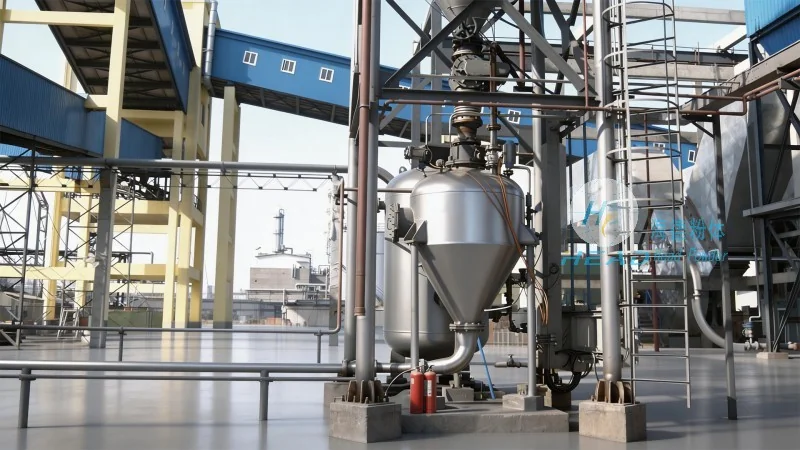
Advantages of the Sawdust Wood Flakes Pneumatic Conveying System
The sawdust wood flakes pneumatic conveying system offers several advantages over traditional material handling methods. One of the main advantages is its efficiency, as it can transport large volumes of material over long distances with minimal energy consumption. The system is also highly flexible, as it can be easily adapted to different material characteristics and conveying requirements. Another advantage is its environmental friendliness, as it eliminates the need for manual handling and reduces the risk of dust contamination. The system is also automated, reducing the need for human labor and minimizing the risk of accidents. Finally, the system is durable and low-maintenance, with components designed to withstand the abrasive nature of sawdust and wood flakes.
Conclusion
In conclusion, the sawdust wood flakes pneumatic conveying system is an advanced and efficient material handling solution that is widely used in the woodworking and biomass processing industries. The system, designed and manufactured by Shandong HeadPowder Engineering Co., Ltd., offers a reliable and cost-effective way to transport sawdust and wood flakes from the source to the destination. The operation process and working principle of the system are based on well-established principles of fluid dynamics and particle motion, ensuring consistent performance and minimal downtime. With its advantages in efficiency, flexibility, and environmental friendliness, the pneumatic conveying system is an ideal solution for modern material handling needs.