

Operation Process and Working Principle of Petroleum Coke Powder Pneumatic Conveying System
HeadPowder, a leading engineering firm based in Shandong, China, specializes in the design and implementation of advanced pneumatic conveying systems for handling petroleum coke powder. These systems are critical in industrial applications where efficient and safe material transport is essential. The following sections will detail the operation process and working principles of such systems, providing a comprehensive understanding of their functionality and benefits.
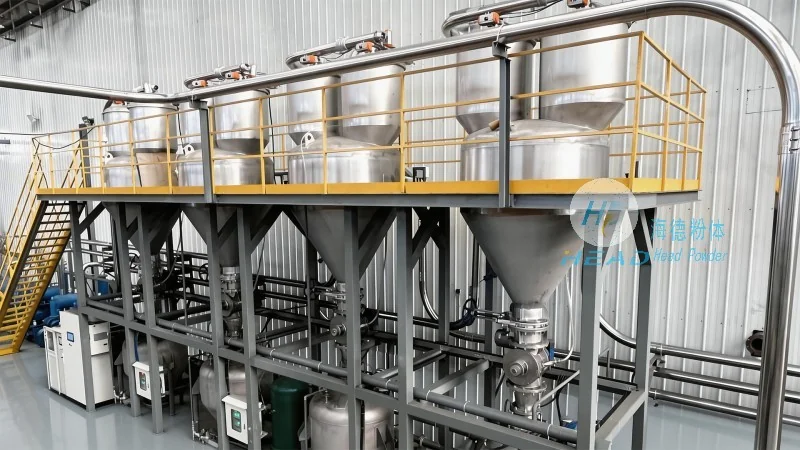
Key Components of a Pneumatic Conveying System
A typical petroleum coke powder pneumatic conveying system comprises several key components that work in tandem to ensure effective material transport. These include the material hopper, which stores the petroleum coke powder; the air compressor or blower, which generates the necessary air pressure; the conveying pipeline, which transports the material; and the control system, which regulates the flow and pressure. Each component plays a vital role in maintaining the system's efficiency and reliability.
Operation Process of the System
The operation process of a petroleum coke powder pneumatic conveying system begins with the loading of petroleum coke powder into the material hopper. The hopper is equipped with a feeder, such as a rotary valve or a screw feeder, which controls the flow rate of the material into the conveying pipeline. Simultaneously, the air compressor or blower starts, generating a high-pressure air stream that travels through the pipeline. The material is then introduced into the pipeline, where it is entrained by the air stream and carried to the destination point, such as a storage silo or processing unit. The control system monitors the pressure and flow rates, adjusting the air supply and material feed as needed to maintain optimal performance. The system continues to operate until the material hopper is emptied or the desired quantity is transported.
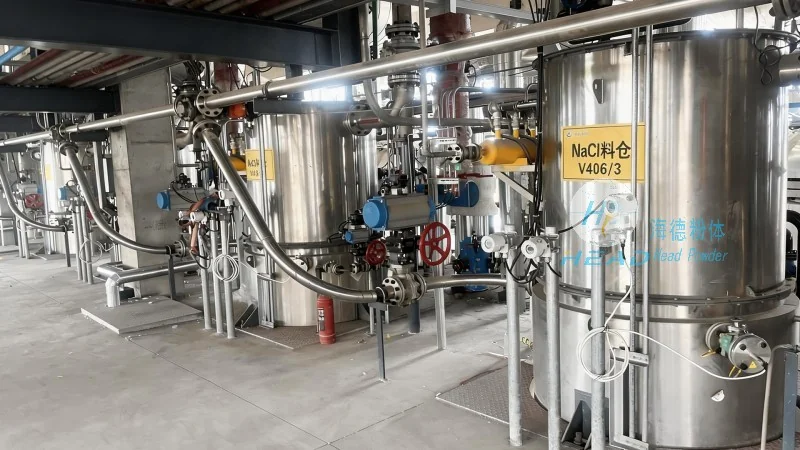
Working Principle of the Pneumatic Conveying System
The working principle of a petroleum coke powder pneumatic conveying system is based on the principle of fluidization and entrainment. The air compressor or blower provides the necessary pressure to create a high-velocity air stream within the conveying pipeline. When the petroleum coke powder is introduced into the pipeline, the air stream entrains the particles, lifting them off the pipeline walls and transporting them along the pipeline. The material is carried as a suspension of powder in air, which allows for efficient and continuous transport. The system's design ensures that the air velocity is sufficient to prevent particle deposition and maintain a stable flow. The control system plays a crucial role in maintaining the air pressure and flow rate, ensuring that the material is transported without clogging or loss of efficiency.
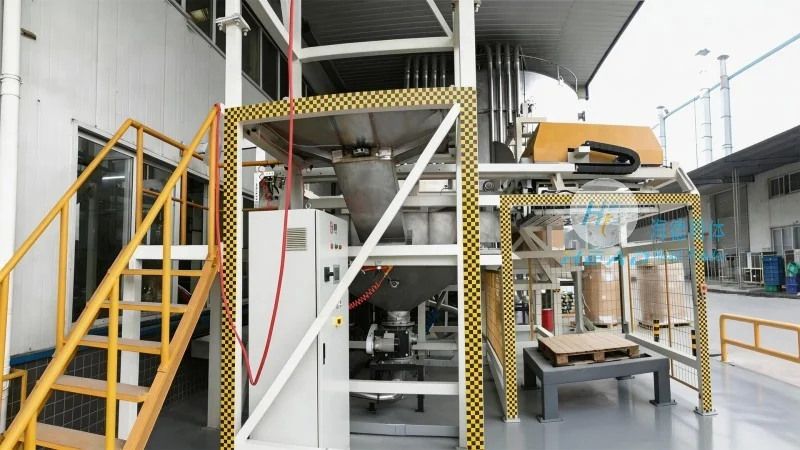
Advantages of Pneumatic Conveying Systems for Petroleum Coke Powder
Pneumatic conveying systems offer several advantages over traditional mechanical conveying methods for petroleum coke powder. These include reduced material handling costs, improved safety by eliminating the need for manual handling, and increased efficiency through continuous operation. The systems are also flexible, allowing for easy integration with existing industrial processes. Additionally, pneumatic conveying systems can handle a wide range of particle sizes and moisture contents, making them suitable for various applications in the petroleum and chemical industries.
Applications in Industrial Settings
Petroleum coke powder pneumatic conveying systems are widely used in various industrial settings, including power plants, chemical plants, and manufacturing facilities. In power plants, these systems are used to transport petroleum coke to boilers for combustion. In chemical plants, they are used to transport petroleum coke to processing units for further treatment. The systems are also used in manufacturing facilities to transport petroleum coke to production lines for use in various products. The versatility and efficiency of these systems make them an essential component in many industrial processes.