

Operation Process and Working Principle of Sintering Dust Pneumatic Conveying System
Understanding the operation process and working principle of sintering dust pneumatic conveying systems is crucial for optimizing material handling in industrial settings. These systems are designed to efficiently transport sintering dust, a byproduct commonly found in sintering processes, from one location to another. The technology behind these systems combines principles of fluid dynamics and mechanical engineering to achieve reliable and efficient material transport.
Key Components of the Sintering Dust Pneumatic Conveying System
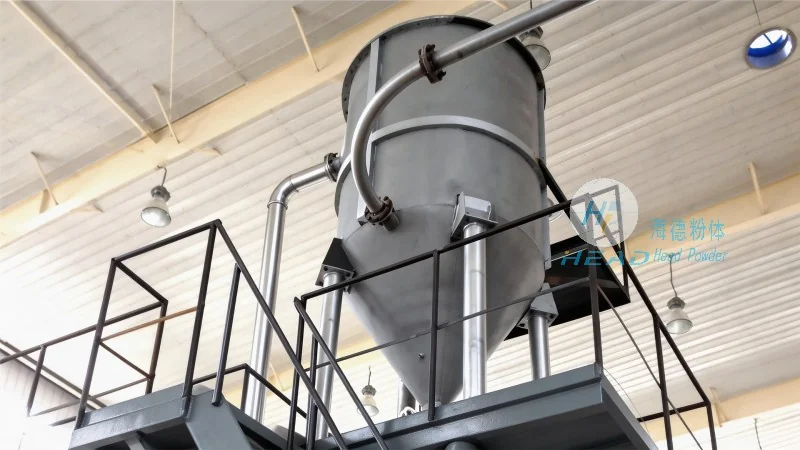
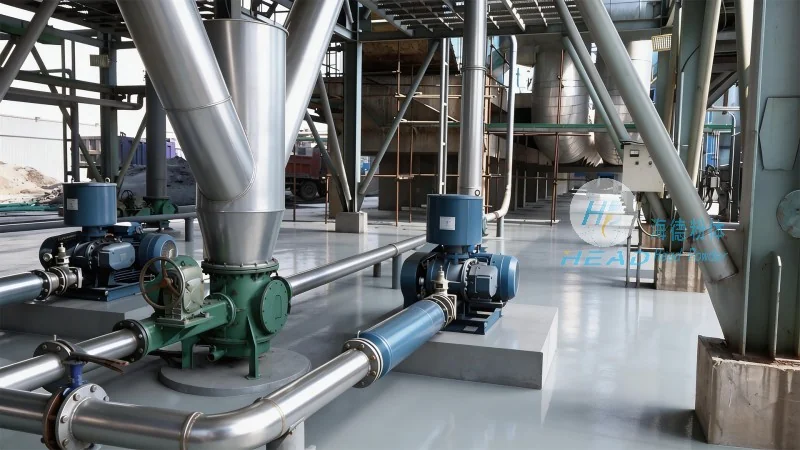
The sintering dust pneumatic conveying system typically consists of several critical components that work in tandem to ensure smooth operation. These components include the dust collection hopper, the air compressor or blower, the conveying pipeline, the control valve, and the discharge outlet. Each component plays a vital role in the overall system performance. The dust collection hopper is responsible for gathering the sintering dust, while the air compressor generates the necessary air pressure to move the material through the pipeline. The conveying pipeline, often made of stainless steel or other corrosion-resistant materials, ensures the safe and efficient transport of the dust. The control valve regulates the air flow and pressure, allowing for precise control over the conveying process. Finally, the discharge outlet delivers the sintered dust to its intended destination, such as a storage silo or processing unit.
Operation Process of the Sintering Dust Pneumatic Conveying System
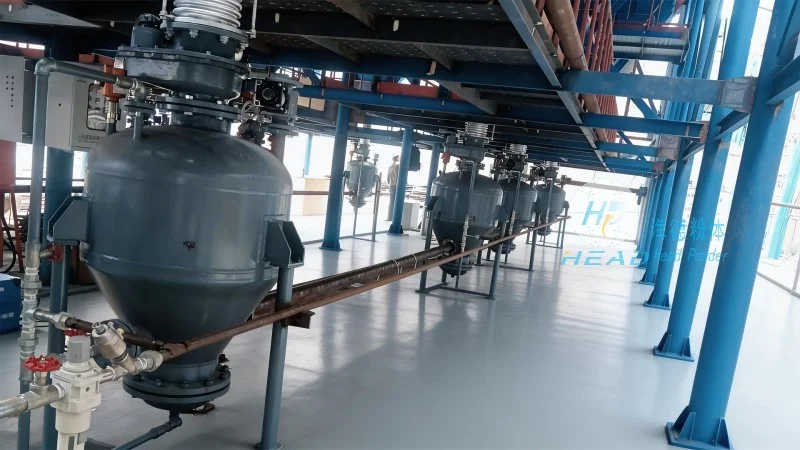
The operation process of the sintering dust pneumatic conveying system involves several sequential steps. First, the sintering dust is collected in the hopper. The system then activates the air compressor, which generates a flow of air through the pipeline. As the air flows, it entrains the dust particles, creating a slurry-like mixture. This mixture is then transported through the pipeline to the discharge point. The control valve adjusts the air pressure and flow rate to maintain consistent conveying performance. The system continuously monitors the pressure and flow to ensure optimal operation. Once the dust reaches the discharge outlet, it is deposited into the receiving container. The entire process is automated, with minimal human intervention required, enhancing efficiency and reducing operational costs.
Working Principle of the Sintering Dust Pneumatic Conveying System
The working principle of the sintering dust pneumatic conveying system is based on the principle of pneumatic transport, where solid particles are suspended and transported by a moving gas stream. In this system, the air compressor provides the necessary pressure to create a flow of air within the pipeline. The sintering dust is drawn into the pipeline as the air flows, and the particles are entrained by the air stream. The velocity of the air is maintained above the minimum fluidization velocity of the dust particles, ensuring that the particles remain suspended and do not settle. The pipeline design, including the diameter and length, is optimized to minimize pressure drop and energy consumption. The system also incorporates features such as pulse jets or rotary valves to prevent blockages and ensure smooth operation. By leveraging these principles, the system effectively transports sintering dust with high efficiency and reliability.
Benefits of Using Sintering Dust Pneumatic Conveying Systems
Implementing sintering dust pneumatic conveying systems offers numerous benefits for industrial operations. These systems provide a clean and dust-free method of transporting sintering dust, reducing the risk of contamination and improving product quality. The automated operation reduces labor costs and enhances safety by minimizing human exposure to dust. Additionally, the system’s compact design allows for easy integration into existing production lines, saving space and reducing installation costs. The energy efficiency of these systems, particularly with modern air compressors, contributes to lower operational expenses. The reliability of the system ensures consistent material flow, reducing downtime and improving overall productivity. These benefits make sintering dust pneumatic conveying systems a preferred choice for industries dealing with sintering dust, such as steel production and mineral processing.
Applications and Industries Served by Sintering Dust Pneumatic Conveying Systems
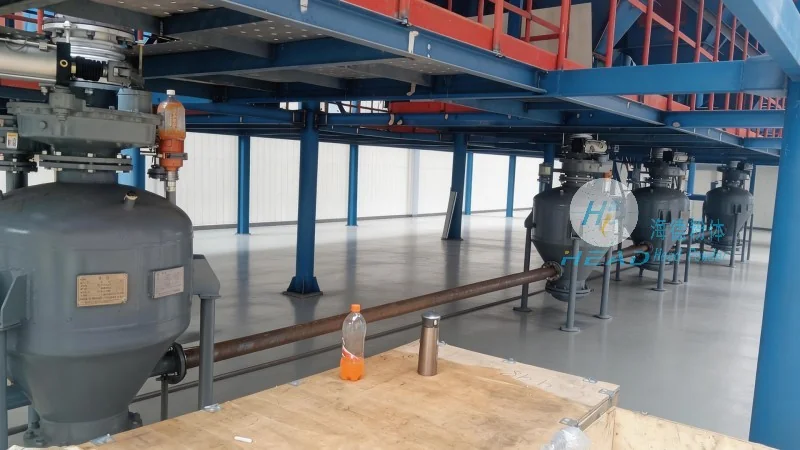
Sintering dust pneumatic conveying systems are widely used in various industries that rely on sintering processes. The primary industries served include the steel industry, where sintering is a critical step in preparing raw materials for the blast furnace. Other industries include mineral processing, where sintering is used to agglomerate fine particles into larger, more manageable pieces. Additionally, the system is applicable in cement production, where sintering dust is a byproduct that needs to be transported for further processing or disposal. The versatility of the system allows it to handle different types of sintering dust, including those with varying particle sizes and moisture content. By addressing the specific needs of each industry, the sintering dust pneumatic conveying system ensures efficient material handling and contributes to overall operational efficiency.
Company Profile: Shandong HeadPowder Engineering Co., Ltd.
Shandong HeadPowder Engineering Co., Ltd., operating under the brand name headpowder, is a leading manufacturer and supplier of sintering dust pneumatic conveying systems. With a strong presence in China, particularly in Shandong province, the company specializes in designing, manufacturing, and installing high-quality pneumatic conveying solutions for industrial applications. The company’s team of experienced engineers and technicians ensures that each system is tailored to meet the specific requirements of clients, whether for new installations or upgrades to existing systems. Headpowder is committed to providing reliable and efficient solutions that enhance the productivity and safety of industrial operations. The company’s products are known for their durability, energy efficiency, and ease of maintenance, making them a preferred choice among clients in the industry.