Understanding the principle and application scenarios of tote bag quantitative feeding systems is crucial for industries that rely on precise and efficient powder material handling. This article delves into the technical aspects and practical implementations of such systems, highlighting their role in modern manufacturing processes.
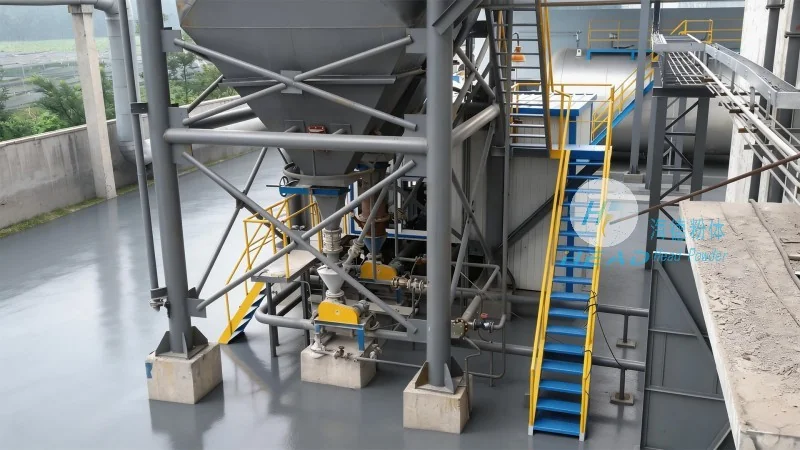
Introduction to Tote Bag Quantitative Feeding and Powder Material Conveying Systems
Tote bag quantitative feeding systems are specialized equipment designed to handle bulk powder materials from tote bags with high accuracy and reliability. These systems are widely used in sectors like chemical, pharmaceutical, food processing, and industrial manufacturing, where consistent material flow and precise dosing are essential for product quality and process efficiency. The core function of these systems is to transfer powder from tote bags into processing lines or storage tanks while maintaining a controlled and measurable flow rate.
Working Principle of Tote Bag Quantitative Feeding
The working principle of tote bag quantitative feeding involves several integrated components working in tandem. Initially, a tote bag, typically made of durable plastic or fabric, is positioned over a weighing platform or a hopper. The system then uses a combination of mechanical and electronic sensors to measure the weight of the material inside the tote bag. As the material is discharged from the tote bag into a receiving hopper or directly into a conveyor system, the weight is continuously monitored. When the desired quantity is reached, the discharge mechanism is automatically stopped, ensuring precise dosing. This process is often complemented by a closed-loop control system that adjusts the discharge rate based on real-time weight feedback, minimizing errors and optimizing material usage.
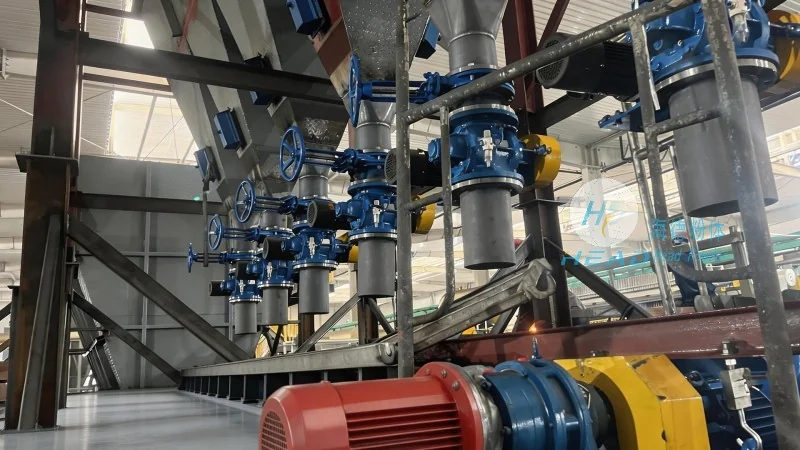
Key Components and Their Functions in the System
Several critical components contribute to the effective operation of tote bag quantitative feeding systems. The primary components include the tote bag itself, a weighing scale or load cell, a discharge valve or gate, a conveyor or transfer system, and a control unit. The weighing scale provides accurate weight measurement, while the discharge valve controls the flow rate of the powder. The conveyor system transports the material from the tote bag to the processing equipment. The control unit integrates all these components, processing sensor data and executing control commands to maintain the desired feeding rate. In many systems, additional features such as air filtration, dust suppression, and material level sensors are incorporated to enhance safety and operational efficiency.
Typical Working Scenarios and Application Characteristics
Tote bag quantitative feeding systems are employed in diverse industrial environments, each with unique requirements. In chemical manufacturing, these systems are used to feed raw materials like pigments, catalysts, or reagents into reactors with high precision, ensuring consistent product composition. In pharmaceutical production, they are critical for handling active pharmaceutical ingredients (APIs) and excipients, where regulatory compliance and batch consistency are paramount. Food processing industries utilize these systems for ingredients like flour, sugar, or spices, where hygiene and contamination control are essential. The versatility of tote bag systems allows them to adapt to various material properties, including different particle sizes, flowabilities, and moisture contents. For instance, systems equipped with vibration or agitators can handle cohesive or sticky powders, preventing blockages and ensuring smooth material flow.
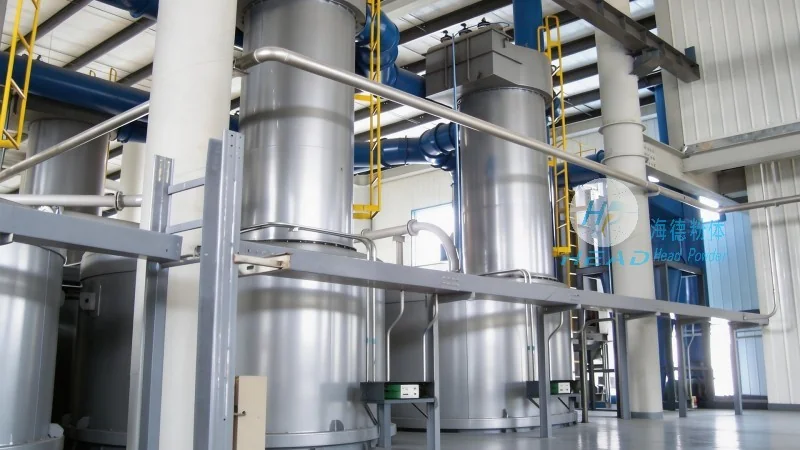
Advantages of Tote Bag Quantitative Feeding Systems
Compared to traditional feeding methods, tote bag quantitative feeding systems offer several advantages that enhance operational performance and cost-effectiveness. One of the most significant benefits is the high level of accuracy and repeatability. By using advanced weighing and control technologies, these systems can achieve dosing precision within a narrow margin, often as low as ±0.1% of the target weight. This precision reduces material waste and minimizes the need for reprocessing, leading to cost savings over time. Additionally, the automated nature of the system reduces labor requirements and minimizes human error, improving overall process reliability. The closed-loop control also enables real-time monitoring and adjustment, allowing operators to respond quickly to changes in material conditions or process demands. Furthermore, the modular design of many systems allows for easy integration with existing production lines, reducing installation time and complexity. This adaptability makes tote bag feeding systems suitable for both new and retrofit applications.
Conclusion
In conclusion, tote bag quantitative feeding systems represent a sophisticated solution for precise powder material handling in various industrial applications. By integrating advanced weighing technology, automated control, and robust material handling components, these systems ensure consistent, efficient, and safe operation. The working scenarios and characteristics of such systems are tailored to meet the specific needs of different industries, from chemical and pharmaceutical to food processing. As industries continue to demand higher precision and reliability in material handling, the importance of tote bag quantitative feeding systems is likely to grow. Companies like Shandong HeadPowder Engineering Co., Ltd., based in China, specialize in designing and manufacturing these systems, providing tailored solutions that enhance productivity and product quality across diverse sectors.




