

Principles and Working Scene Characteristics of Monosodium Glutamate Powder Conveying
HeadPowder, a leading engineering company based in Shandong, China, specializes in the design and implementation of efficient powder conveying systems tailored for the food industry. This article explores the fundamental principles of monosodium glutamate (MSG) powder conveying and highlights the key characteristics of its working scenarios, providing insights into how these systems ensure reliable and safe material handling in industrial settings.
Company Profile
HeadPowder Engineering Co., Ltd. is a professional manufacturer and supplier dedicated to providing high-quality powder conveying solutions. With a strong focus on innovation and customer satisfaction, the company has established itself as a trusted partner in the food processing sector. Headquartered in Shandong, China, HeadPowder leverages advanced technology and extensive industry experience to deliver customized conveying systems that meet the specific demands of its clients.

Principles of Monosodium Glutamate Powder Conveying
The conveying of monosodium glutamate powder involves the movement of fine particles from one location to another within a processing facility. This process is typically achieved through mechanical means, such as pneumatic or mechanical systems, which are designed to handle the unique properties of MSG powder. The fundamental principle revolves around creating a controlled flow of particles, ensuring minimal degradation or contamination while maintaining operational efficiency. Key factors in the conveying process include particle size, moisture content, and the density of the material, all of which influence the selection of the most appropriate conveying method. For instance, pneumatic conveying systems are often preferred for MSG due to their ability to handle fine powders without the need for high-pressure equipment, reducing the risk of clogging and ensuring consistent flow rates.
Working Scene Characteristics
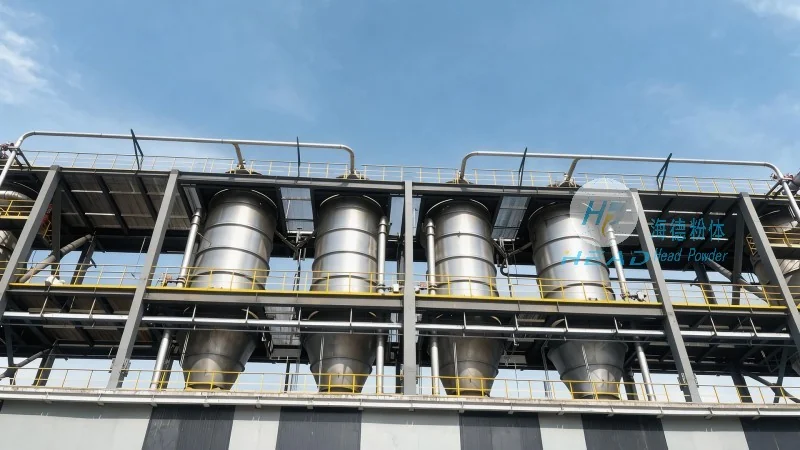
The working scenarios for MSG powder conveying vary widely depending on the scale of the operation and the specific requirements of the production line. In large-scale food processing plants, the conveying systems are integrated into a comprehensive material handling network, connecting raw material storage, processing units, and packaging areas. These systems are designed to operate continuously, often around the clock, to support high-throughput production. The characteristics of these working scenes include high capacity requirements, strict hygiene standards, and the need for minimal downtime. Additionally, the systems must be compatible with existing infrastructure and regulatory compliance, such as those outlined by food safety authorities. The working environment may also involve exposure to temperature fluctuations and humidity, which can affect the performance of the conveying equipment. Therefore, robust materials and corrosion-resistant components are essential to ensure long-term reliability and maintain product quality.
Application Scenarios and Advantages
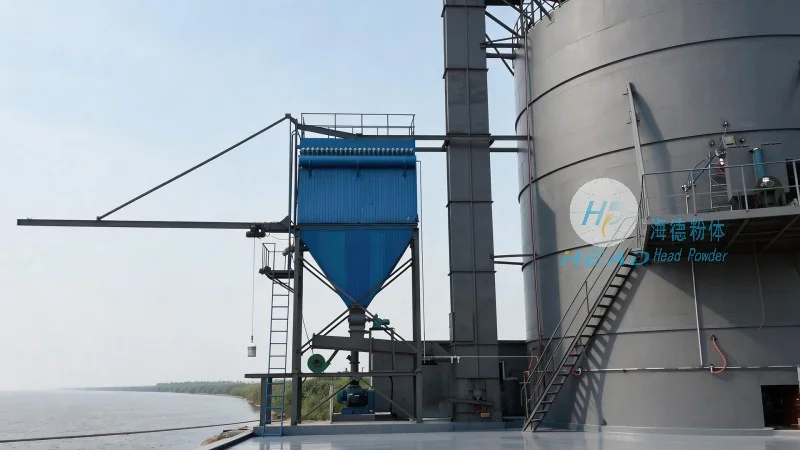
Monosodium glutamate powder conveying systems are widely used in various food processing applications, including the production of seasonings, soups, and other flavor-enhancing products. The advantages of these systems include improved operational efficiency, reduced labor costs, and enhanced product safety. By automating the powder handling process, companies can minimize human error and ensure consistent product quality. Furthermore, the use of advanced control systems allows for real-time monitoring and adjustment of the conveying parameters, optimizing performance and reducing energy consumption. In the context of MSG, the systems are designed to handle the fine, hygroscopic nature of the powder, preventing clumping and ensuring smooth flow. This not only enhances the efficiency of the production line but also contributes to better product consistency and customer satisfaction. HeadPowder's expertise in designing and implementing these systems ensures that clients receive tailored solutions that address their unique operational challenges and meet industry standards.