

Principle and Working Scene Characteristics of PP Powder Conveying
PP powder conveying technology is a critical component in industrial material handling, particularly for polypropylene (PP) materials. Understanding its underlying principles and the specific characteristics of its application scenarios is essential for optimizing material flow efficiency and ensuring operational reliability in various industrial settings. This article provides an in-depth exploration of the principles governing PP powder conveying systems and highlights the key characteristics of their working environments, presented by Shandong HeadPowder Engineering Co., Ltd., a leading provider of industrial material handling solutions based in Shandong, China.
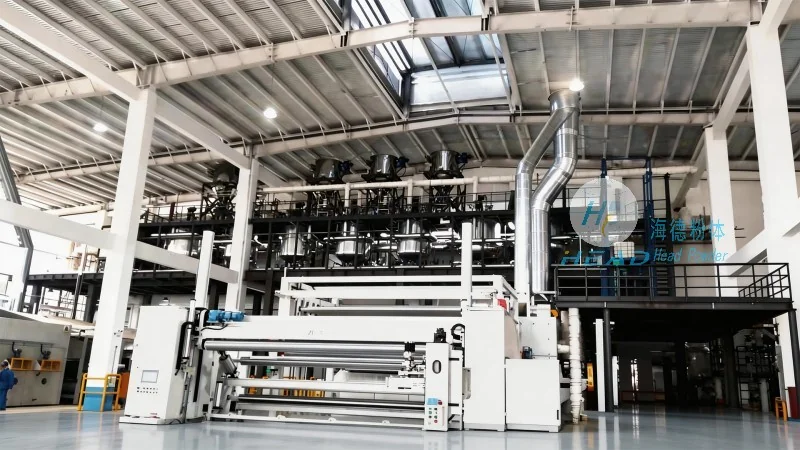
Understanding the Core Principles of PP Powder Conveying
At the heart of PP powder conveying systems lies the fundamental principle of utilizing mechanical forces to transport particulate materials. For PP powder, which is commonly used in manufacturing processes such as plastic molding, extrusion, and compounding, the conveying method must address the material's properties, including its density, flowability, and potential for static charge accumulation. The primary principles involve the application of pressure, vacuum, or mechanical motion to move the powder from a source to a destination. These systems typically employ components like hoppers, feeders, conveyors, and control valves to regulate the flow and ensure consistent material transport. The design of PP powder conveying systems must account for factors like the material's particle size distribution, moisture content, and potential for agglomeration, as these variables can significantly impact conveying efficiency and system performance. Shandong HeadPowder Engineering Co., Ltd. specializes in designing and manufacturing customized conveying solutions that meet the specific needs of PP powder handling applications, ensuring optimal performance and reliability.
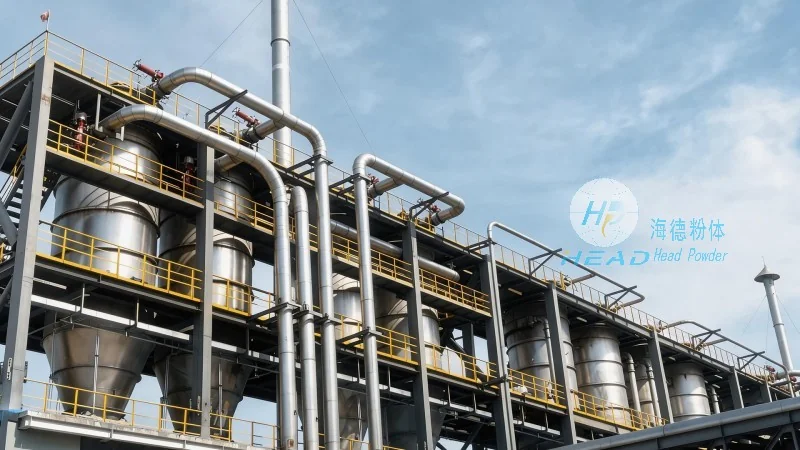
Key Working Scene Characteristics of PP Powder Conveying Systems
PP powder conveying systems are deployed in diverse industrial applications, each with unique characteristics that influence system design and operation. The working scenes often involve high-volume material handling in manufacturing facilities, where the goal is to maintain continuous production lines and minimize downtime. In such environments, the conveying system must be capable of handling large quantities of PP powder while maintaining precise control over flow rates and preventing material degradation. Another critical characteristic is the need for dust control and environmental safety, as PP powders can generate airborne particles that pose health and safety risks. Conveying systems are therefore equipped with dust collection and filtration systems to ensure compliance with industrial hygiene standards. Additionally, the working scenes may involve integration with other processing equipment, such as mixers, extruders, or granulators, requiring seamless coordination between the conveying system and downstream processes. This integration demands robust control systems and reliable material transfer to avoid interruptions in production. The company's expertise in system integration ensures that PP powder conveying solutions are tailored to the specific operational requirements of each client, enhancing overall production efficiency.
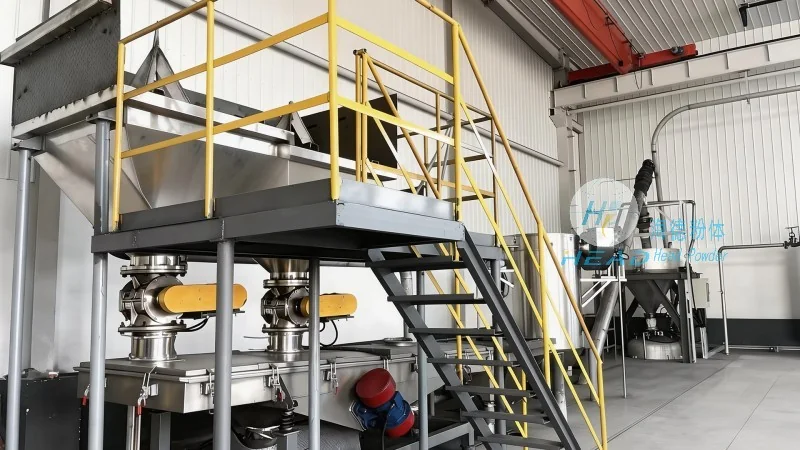
Application Scenarios and Operational Considerations
PP powder conveying systems are widely used in various industrial sectors, including automotive, packaging, and construction. In the automotive industry, for example, PP powder is used in the production of interior components and exterior parts, where the conveying system must ensure consistent material quality and prevent contamination. The working scene in this sector often involves high-speed production lines and strict quality control measures, requiring advanced conveying technologies that can handle high throughput while maintaining material integrity. In the packaging industry, PP powder is utilized in the manufacturing of plastic films and containers, where the conveying system plays a crucial role in feeding raw materials to extrusion and molding machines. The operational considerations in this scenario include the need for precise dosing and consistent material flow to achieve uniform product thickness and dimensions. Furthermore, the working environment may involve temperature control and humidity management, as these factors can affect the flow properties of PP powder and the performance of the conveying system. In the construction industry, PP powder is used in the production of plastic composites and building materials, where the conveying system must handle bulk quantities of material and integrate with mixing and compounding equipment. The key operational considerations here include the ability to handle abrasive or corrosive materials, if present, and maintain system durability under demanding conditions. Shandong HeadPowder Engineering Co., Ltd. has extensive experience in serving these industries, providing tailored solutions that address the unique challenges of each application.
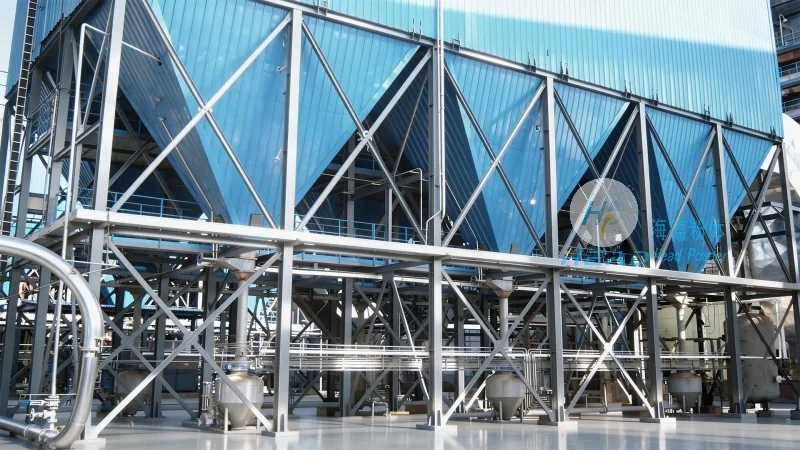
Technical Advancements and System Optimization
Over the years, advancements in technology have significantly improved the efficiency and reliability of PP powder conveying systems. Modern systems often incorporate automation and digital control technologies to enhance operational performance and reduce human intervention. These advancements include the use of sensors to monitor material levels, flow rates, and system pressures, enabling real-time adjustments and predictive maintenance. Additionally, the integration of energy-efficient components, such as variable frequency drives (VFDs) and optimized conveyor designs, helps reduce operational costs and environmental impact. The working scene characteristics of these advanced systems include improved material handling capabilities, reduced downtime, and enhanced safety features. For instance, some systems employ electrostatic discharge (ESD) prevention measures to mitigate the risk of static charge buildup, which is a common issue with PP powders. Furthermore, the use of modular components allows for easy maintenance and system upgrades, adapting to changing production requirements over time. The technical advancements also extend to the design of conveying lines, with the use of flexible hoses and pneumatic systems in some applications, providing greater flexibility in material routing and system layout. These innovations contribute to the overall optimization of PP powder conveying processes, ensuring higher productivity and lower operational costs. The company's commitment to technological innovation ensures that its clients benefit from the latest advancements in PP powder conveying technology.