Multi-point feeding powder material conveying systems represent a sophisticated approach to handling bulk solid materials in industrial settings. The core principle revolves around the strategic distribution of material from multiple feeding points to a central or multiple discharge points, optimizing flow rates and ensuring consistent material delivery. This method is particularly effective for applications requiring precise control over material movement, such as in pharmaceutical manufacturing, food processing, and chemical production.
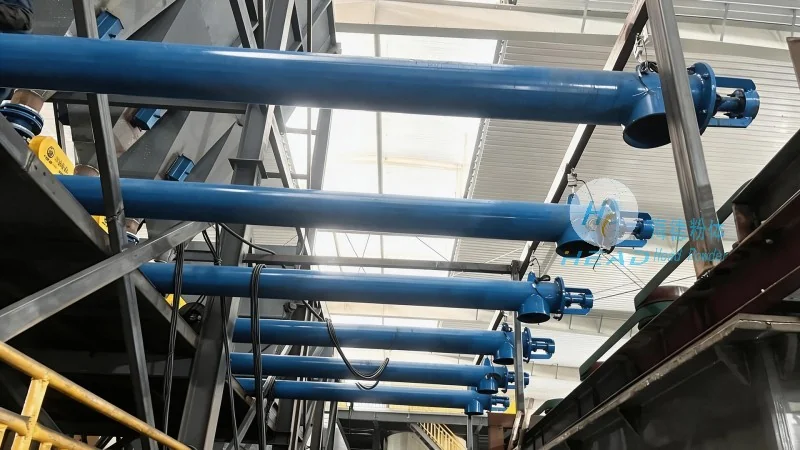
Company Profile: Shandong HeadPowder Engineering Co., Ltd.
HeadPowder, a leading provider of advanced powder handling solutions, specializes in designing and manufacturing multi-point feeding systems tailored to meet the diverse needs of modern industrial operations. With a strong presence in China, particularly in Shandong, the company leverages its expertise in material science and engineering to deliver reliable and efficient conveying solutions. The company's commitment to quality and innovation has established it as a trusted partner for businesses seeking to enhance their material handling processes.
The Principle of Multi-Point Feeding
The fundamental principle of multi-point feeding involves the simultaneous or sequential activation of multiple feeders to distribute material evenly across a conveyor or processing line. This approach addresses the challenges of uneven material distribution and ensures that each processing stage receives the exact amount of material required. By integrating sensors and control systems, the system can dynamically adjust feeding rates based on real-time conditions, such as material density or flow rate variations. This adaptability is crucial for maintaining product quality and operational efficiency.
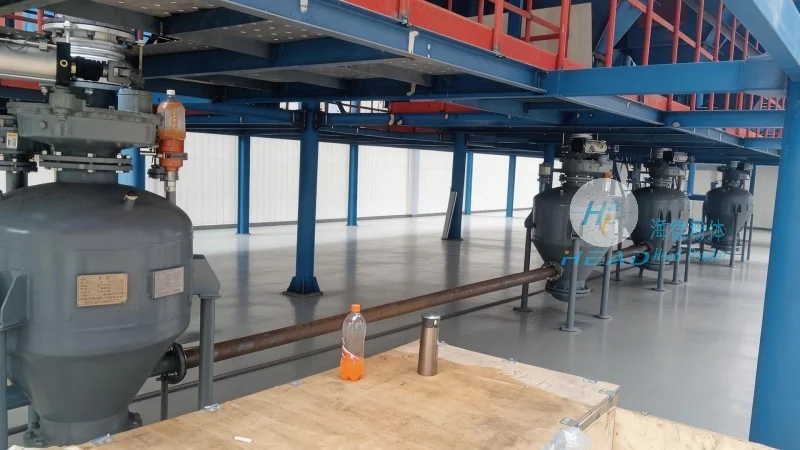
Working Scene Characteristics
Multi-point feeding systems are widely utilized in various industrial scenarios, each with distinct characteristics that highlight their effectiveness. In pharmaceutical manufacturing, for instance, these systems are employed to handle sensitive powders, ensuring that each batch receives uniform dosing and minimizing cross-contamination risks. The controlled environment and precise feeding mechanisms are critical in maintaining compliance with regulatory standards. Similarly, in food processing industries, multi-point feeding is essential for handling ingredients like flour, sugar, or spices, where consistency in flavor and texture is paramount. The ability to adjust feeding rates in real-time allows manufacturers to adapt to changing production demands without compromising product quality.
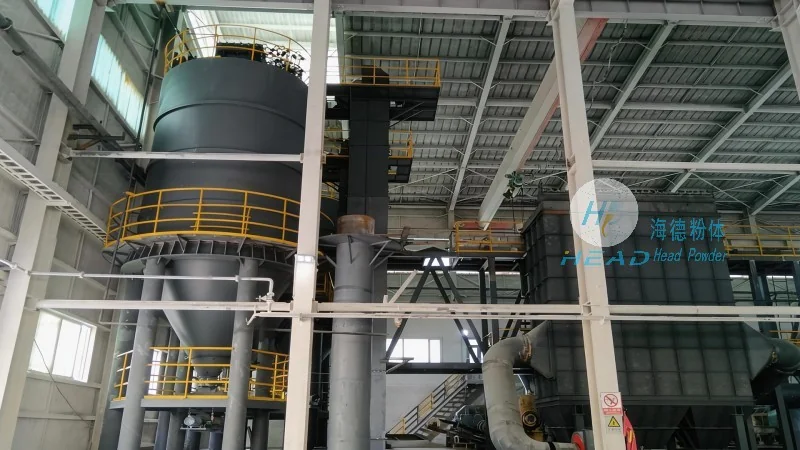
Application in Chemical Production
In the chemical sector, multi-point feeding systems play a vital role in handling reactive or hazardous powders. The systems are designed with safety features, such as enclosed feeding mechanisms and emergency shut-off valves, to prevent material exposure and ensure worker safety. The precise control over material flow is essential for maintaining reaction ratios and preventing overloading of processing equipment. Companies like Shandong HeadPowder Engineering Co., Ltd. have developed specialized solutions that integrate with existing chemical plants, providing seamless integration and minimal downtime during installation.
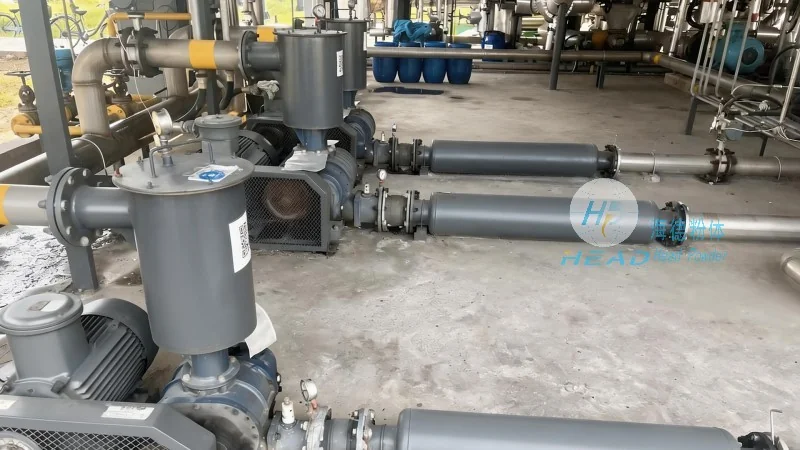
Advantages of Multi-Point Feeding Systems
Implementing multi-point feeding systems offers several advantages over traditional single-point feeding methods. One of the key benefits is the improved material flow uniformity, which reduces the risk of clogging and ensures consistent processing speeds. This leads to higher throughput and reduced production costs. Additionally, the systems enhance operational flexibility, allowing manufacturers to adjust production volumes quickly in response to market demands. The integration of advanced control technologies, such as PLC (Programmable Logic Controllers) and SCADA (Supervisory Control and Data Acquisition) systems, provides real-time monitoring and data analysis, enabling proactive maintenance and process optimization.
Conclusion
Multi-point feeding powder material conveying systems, as exemplified by the solutions offered by Shandong HeadPowder Engineering Co., Ltd., represent a cutting-edge approach to modern industrial material handling. By combining precise control, adaptability, and safety features, these systems address the complex challenges of bulk material transport in diverse industries. The working scene characteristics and operational advantages make them indispensable tools for businesses aiming to enhance efficiency, maintain product quality, and stay competitive in today's demanding market.




