

Principle and Working Scene Characteristics of Wood Chip Pneumatic Conveying System Equipment
Wood chip pneumatic conveying systems are specialized equipment designed to transport wood chips efficiently over short to medium distances. These systems utilize air as the primary medium to move the material, offering a clean and dust-free operation compared to traditional mechanical conveyors. The core principle involves creating a pressure differential that propels the wood chips through a pipeline network, ensuring consistent and reliable material transfer. This technology is widely adopted in the wood processing industry for its ability to handle various chip sizes and moisture contents while maintaining low maintenance costs and energy efficiency.
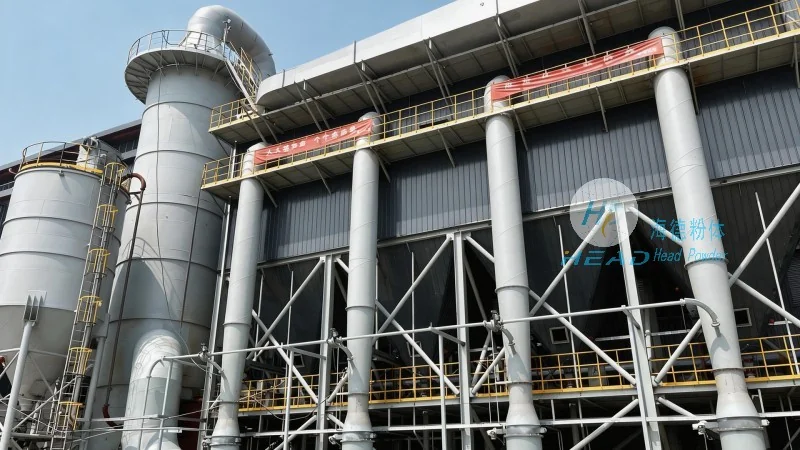
Key Working Principles of Pneumatic Conveying Equipment
The operation of wood chip pneumatic conveying systems is based on several fundamental principles. The system typically consists of a blower or air compressor that generates the necessary airflow. As air is forced through the pipeline, it creates a low-pressure zone that draws the wood chips into the system via a hopper or inlet. The chips are then carried along with the air stream, moving through the pipeline to the discharge point. The velocity and pressure of the air are carefully controlled to ensure that the chips are conveyed without excessive wear on the equipment or degradation of the material. This method is particularly effective for transporting wood chips from storage areas to processing units, such as chipper machines or drying ovens.
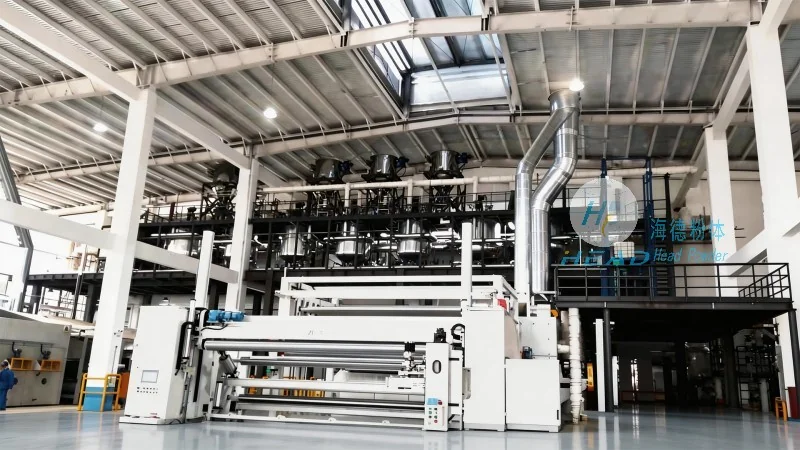
Working Scene Characteristics and Applications
The working scene characteristics of wood chip pneumatic conveying systems are tailored to the specific needs of the wood processing industry. These systems are commonly used in sawmills, pulp and paper mills, and biomass energy facilities where wood chips need to be moved between different stages of production. The key characteristics include high efficiency in material transport, minimal environmental impact due to the enclosed pipeline system, and the ability to handle large volumes of wood chips. In working scenarios, the systems are often integrated with other processing equipment, such as chipper feeders or conveyor belts, to form a seamless production line. The flexibility of pneumatic conveying allows for changes in the direction of material flow, making it suitable for complex layouts in industrial facilities. Additionally, the system's ability to operate in both positive and negative pressure modes provides versatility in handling different types of wood chips, including those with varying moisture levels and particle sizes.
Advantages of Using Pneumatic Conveying for Wood Chips
Several advantages make wood chip pneumatic conveying systems a preferred choice in the industry. Firstly, the enclosed pipeline design prevents dust and debris from contaminating the environment, which is crucial for maintaining air quality in industrial settings. This also reduces the risk of fire hazards associated with loose wood chips. Secondly, the system offers high throughput with minimal downtime, as there are no moving parts in direct contact with the material that can get clogged or damaged. The air flow can be adjusted to match the volume of wood chips being transported, ensuring optimal performance. Thirdly, the energy consumption is relatively low compared to other conveying methods, contributing to cost savings over time. Furthermore, the system is easy to install and maintain, with components that are readily available for replacement. These advantages make pneumatic conveying an economical and sustainable solution for wood chip transport in various industrial applications.
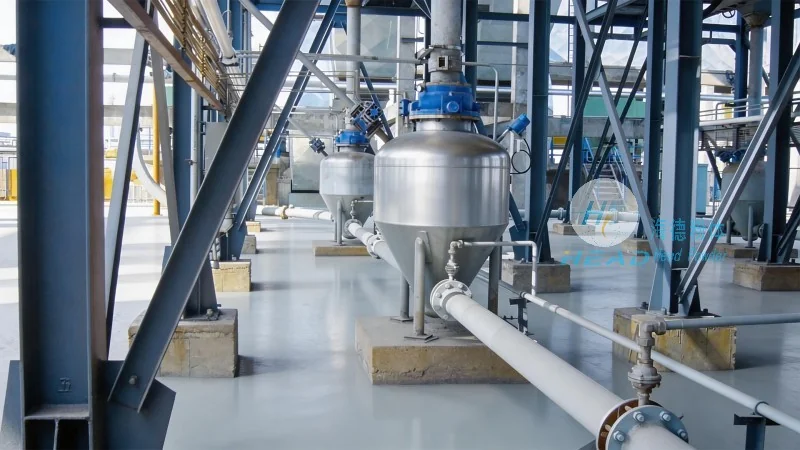
Company Profile: Shandong HeadPowder Engineering Co., Ltd.
Shandong HeadPowder Engineering Co., Ltd., commonly known as headpowder, is a leading manufacturer of wood chip pneumatic conveying systems and related industrial equipment. With a strong presence in the wood processing industry, the company specializes in designing and producing high-quality conveying solutions that meet the diverse needs of its clients. Headpowder's commitment to innovation and quality has enabled it to deliver reliable and efficient systems that enhance productivity and reduce operational costs for wood processing facilities. The company's headquarters is located in Shandong, China, where it has established a robust research and development team dedicated to improving the performance and functionality of its products. By leveraging advanced engineering techniques and customer feedback, headpowder continuously enhances its product line to provide cutting-edge solutions for the wood industry.