

Working Principle and Features of Ferrous Oxide Pneumatic Conveying Systems
For industrial applications involving the transport of ferrous oxide, efficient and reliable material handling systems are crucial. The pneumatic conveying system, particularly designed for ferrous oxide, offers a solution that combines performance with operational efficiency. This article delves into the working principle and key features of such systems, highlighting their importance in modern industrial processes.
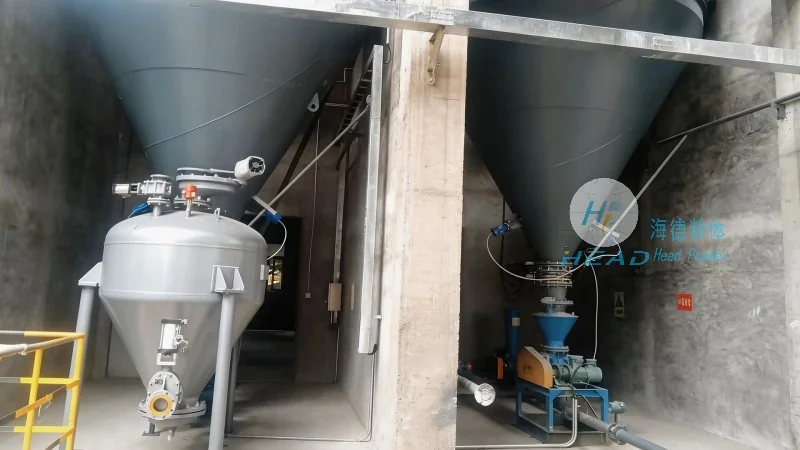
Working Principle of Ferrous Oxide Pneumatic Conveying Lines
The core of a ferrous oxide pneumatic conveying system lies in its ability to transport bulk materials through a pressurized or vacuum environment. The process typically begins with the material being fed into a hopper or feeder. From there, the material is introduced into a pipeline where it is carried by a moving air stream. The air, often under pressure, creates a flow that propels the ferrous oxide particles through the system. This method eliminates the need for mechanical components like belts or buckets, reducing maintenance and increasing safety. The system operates by maintaining a consistent air flow rate, ensuring that the ferrous oxide is transported smoothly without clogging or degradation.
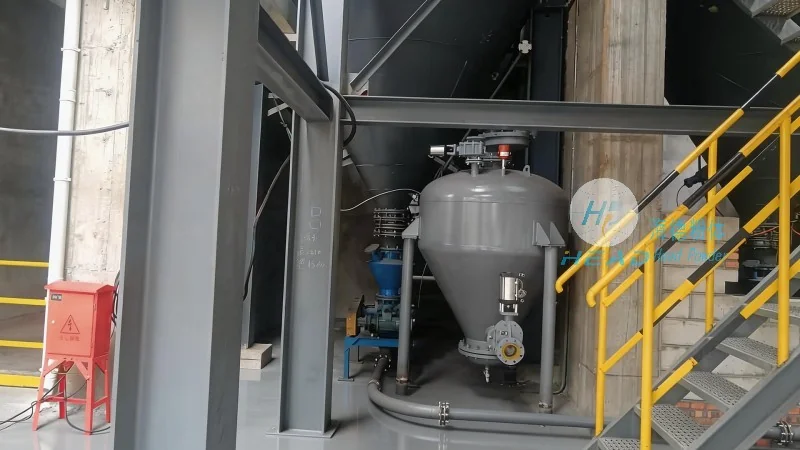
Key Features of Ferrous Oxide Pneumatic Conveying Systems
Several distinctive features make ferrous oxide pneumatic conveying systems suitable for various industrial applications. Firstly, the system is highly flexible in terms of layout, allowing for horizontal, vertical, or complex path configurations. This adaptability is essential for facilities with limited space or irregular layouts. Secondly, the system offers excellent control over material flow, enabling precise dosing and regulation. This is critical for processes that require accurate material measurement and consistent product quality. Additionally, the system is designed to minimize material degradation, which is vital for ferrous oxide as it can be sensitive to moisture and temperature changes. The use of specialized materials for the pipeline and components ensures that the ferrous oxide remains in its optimal state throughout the conveying process.
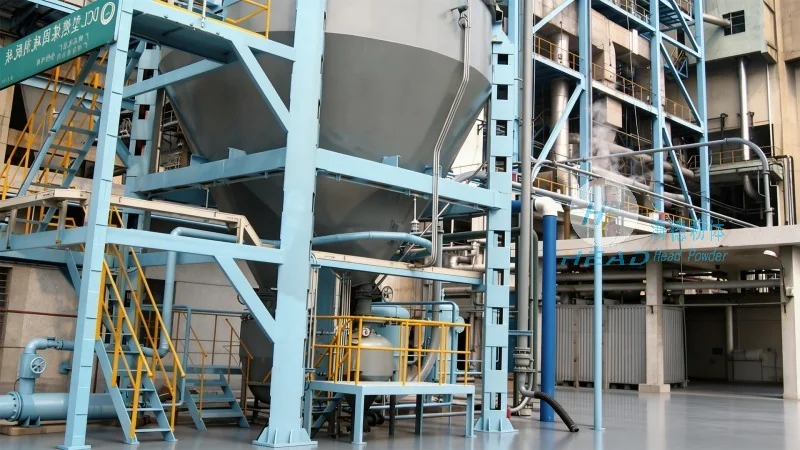
Advantages in Industrial Applications
The implementation of ferrous oxide pneumatic conveying systems brings numerous advantages to industrial operations. One of the primary benefits is the reduction in labor costs and operational downtime. By eliminating mechanical parts that require frequent maintenance, the system reduces the need for manual intervention and repairs. This leads to increased productivity and lower maintenance expenses. Another advantage is the enhanced safety features. The system operates in a closed environment, preventing dust emissions and minimizing the risk of accidents associated with manual handling. This is particularly important for ferrous oxide, which can be hazardous if not handled properly. Furthermore, the system’s ability to handle large volumes of material efficiently makes it ideal for high-throughput production lines, ensuring that the production process remains uninterrupted.
Customization and Integration with Existing Systems
Shandong HeadPowder Engineering Co., Ltd., a leading provider in the field, offers customized solutions tailored to the specific needs of clients. The company specializes in designing and manufacturing pneumatic conveying systems that integrate seamlessly with existing industrial setups. With a focus on quality and innovation, HeadPowder ensures that each system is built to meet the unique requirements of ferrous oxide handling. The company’s expertise in material handling technology allows for the development of systems that are not only efficient but also cost-effective. By collaborating closely with clients, HeadPowder provides comprehensive solutions that address all aspects of the material transport process, from initial design to final installation and maintenance.
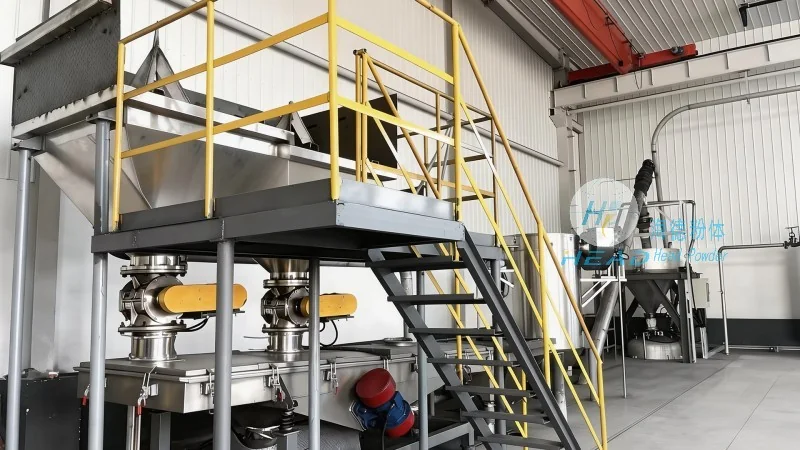
Conclusion
In conclusion, ferrous oxide pneumatic conveying systems represent a sophisticated and efficient solution for the transport of this critical material. The working principle, which relies on air flow to move the material, combined with key features such as flexibility, control, and safety, makes it an ideal choice for modern industrial applications. The advantages, including reduced maintenance, enhanced safety, and increased productivity, further underscore the importance of these systems in industrial operations. As a result, the adoption of such systems not only improves operational efficiency but also contributes to the overall sustainability and reliability of industrial processes.