

Working Principle and Characteristics of Sawdust Pneumatic Conveying
For professionals in the wood processing sector, understanding the mechanics and advantages of sawdust pneumatic conveying is essential for optimizing material handling operations. This article explores the fundamental working principle and key characteristics of this technology, offering insights that can enhance system efficiency and performance.
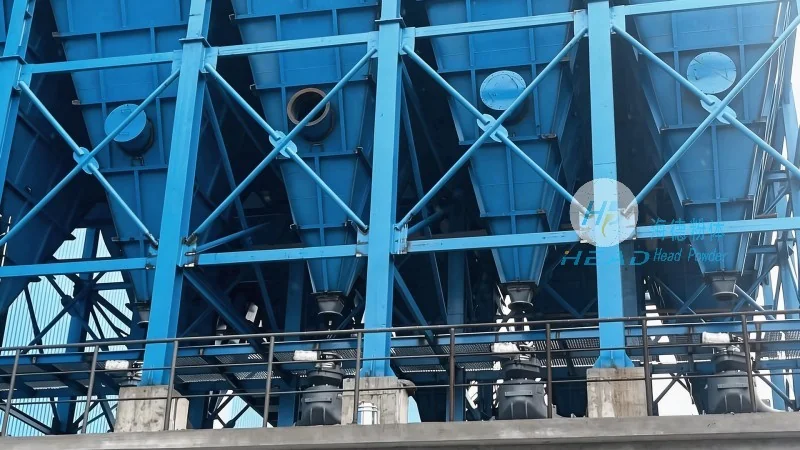
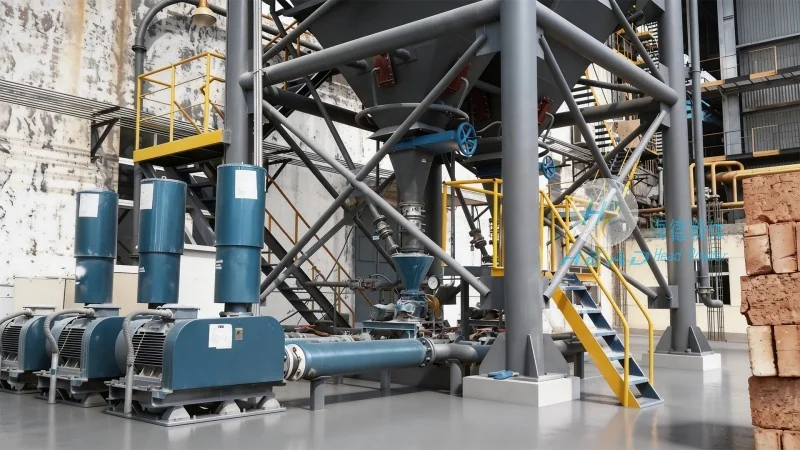
Working Principle of Sawdust Pneumatic Conveying
Sawdust pneumatic conveying relies on the transport of fine, dry particles such as sawdust through a pipeline using compressed air or a vacuum system. The process typically involves three core steps: material feeding, air introduction, and particle transport. In a positive pressure system, a blower or compressor generates high-pressure air that is introduced at the inlet of the conveying line. Sawdust is then fed into the pipeline, where the air flow entrains the particles, forming a dense phase mixture. This mixture travels through the pipeline to the discharge point, where air and material are separated—often via cyclones or filters. The separated sawdust is collected, while the air may be recirculated or vented. Conversely, a negative pressure system uses a vacuum pump to create a low-pressure environment that draws sawdust into the pipeline. The material is drawn from the source, travels through the line, and is discharged at the collection point, with the air being filtered and potentially recycled.
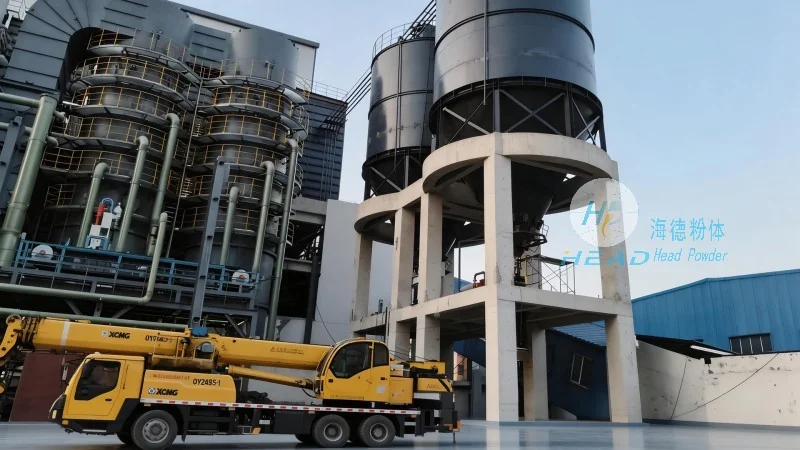
Key Characteristics of Sawdust Pneumatic Conveying
The characteristics of sawdust pneumatic conveying systems are tailored to address the unique challenges of handling fine, dry materials. A primary advantage is the ability to transport sawdust over long distances using a single pipeline for both material and air flow, reducing the need for multiple transfer points and mechanical components compared to traditional belt or bucket elevators. The system also offers high flexibility, allowing adjustments to flow rates and destinations without significant modifications. Additionally, pneumatic conveying systems provide effective control over sawdust moisture content and temperature, which is critical for maintaining material quality in applications like particleboard, fiberboard, or as a fuel source. Another notable characteristic is low maintenance compared to mechanical systems, as there are fewer moving parts and less wear from friction. However, system performance can be influenced by factors such as sawdust moisture, particle size distribution, and air pressure, requiring careful management for optimal efficiency.
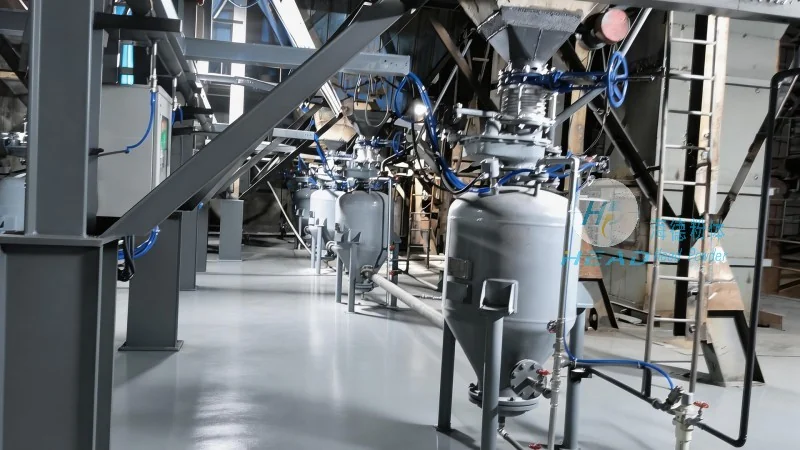
About HeadPowder Engineering Co., Ltd.
HeadPowder Engineering Co., Ltd., headquartered in Shandong, China, specializes in the design, manufacturing, and installation of pneumatic conveying systems for the wood processing industry. With extensive experience, the company provides customized solutions that integrate the principles outlined above, ensuring reliable and efficient sawdust handling for clients. HeadPowder's expertise focuses on optimizing system performance, minimizing energy consumption, and enhancing operational safety, positioning it as a trusted partner for businesses seeking to improve their material handling processes.