

Working Principle and Characteristics of Cotton Seed Pneumatic Conveying
Understanding the working principle and characteristics of cotton seed pneumatic conveying systems is crucial for optimizing material handling processes in agricultural and industrial applications. This article provides a detailed overview of how these systems operate and the key attributes that make them effective for transporting cotton seeds efficiently, presented by Shandong HeadPowder Engineering Co., Ltd., a leading provider of specialized material handling solutions.
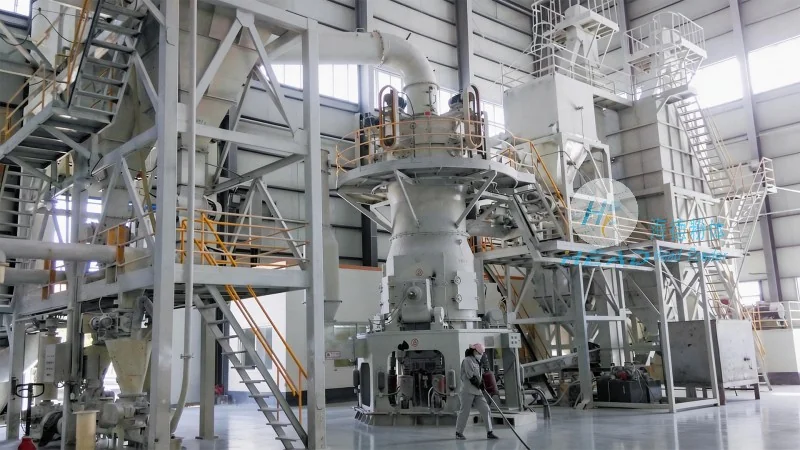
Introduction to Cotton Seed Pneumatic Conveying
Cotton seed pneumatic conveying systems are specialized equipment designed to transport cotton seeds using air as the conveying medium. Unlike traditional mechanical conveyors, these systems rely on the force of air to move the material, offering advantages such as reduced wear and tear on the product, lower maintenance costs, and the ability to handle a wide range of particle sizes and moisture contents. The technology is widely used in cotton processing facilities, seed storage operations, and agricultural supply chains to ensure smooth and efficient material movement.
Working Principle of Cotton Seed Pneumatic Conveying
The core working principle of cotton seed pneumatic conveying involves the use of a vacuum or pressure system to create airflow that transports the seeds through a pipeline. The process typically begins with the cotton seeds being fed into a hopper or feeder, where they are then drawn into the conveying line by the air flow. As the seeds travel through the pipe, they are suspended in the air stream, allowing for continuous and unidirectional movement. The system may use either positive pressure (where air is blown into the line) or negative pressure (where air is sucked out), depending on the specific application and distance of material transport. The air velocity and pressure are carefully controlled to ensure that the seeds are conveyed without damage and that the system operates efficiently.
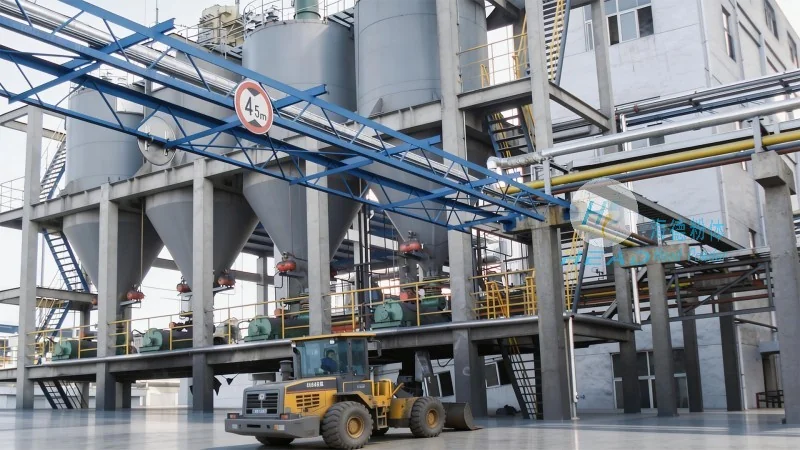
Key Characteristics of Cotton Seed Pneumatic Conveying Systems
Several distinct characteristics define the performance and suitability of cotton seed pneumatic conveying systems. First, the technology offers high efficiency in material transport, with the ability to move large volumes of cotton seeds over long distances with minimal energy consumption. The systems are also highly flexible, as they can be easily reconfigured or expanded to accommodate changing production needs or facility layouts. Another important characteristic is the gentle handling of the seeds, which helps preserve their quality and reduces the risk of breakage or contamination. Additionally, pneumatic conveying systems are relatively compact and can be integrated into existing processing lines without significant modifications. The systems also provide good control over the flow rate and direction of the material, allowing for precise delivery to storage bins, processing units, or packaging equipment.
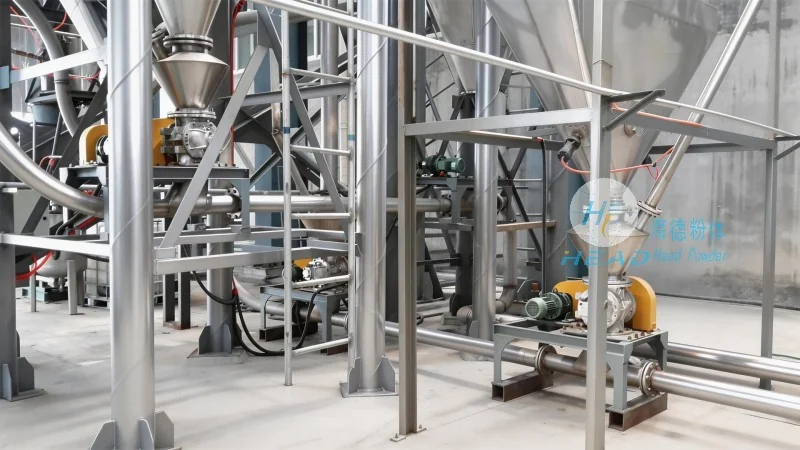
Advantages of Using Cotton Seed Pneumatic Conveying
Implementing cotton seed pneumatic conveying systems brings numerous benefits to agricultural and industrial operations. One of the primary advantages is the reduction in labor costs associated with manual handling of cotton seeds. The automated process minimizes the need for human intervention, improving safety and consistency in material transport. Additionally, the systems enhance operational efficiency by reducing downtime caused by mechanical failures or material blockages, as the air flow helps prevent clogging in the pipeline. The technology also contributes to better product quality by minimizing physical damage to the seeds, which is critical for maintaining their market value and viability. Furthermore, the systems are environmentally friendly, as they do not require the use of additional machinery or equipment that might generate noise or emissions. The compact design of the systems allows for better space utilization in processing facilities, making them suitable for both large-scale and small-scale operations.
Applications of Cotton Seed Pneumatic Conveying
Cotton seed pneumatic conveying systems are widely applied in various stages of cotton processing and agricultural operations. In seed processing facilities, these systems are used to transport raw cotton seeds from storage silos to cleaning and grading equipment. The gentle handling ensures that the seeds are not damaged during the cleaning process, which is essential for maintaining their quality. In storage operations, pneumatic conveyors are used to move cotton seeds from processing units to storage bins or silos, ensuring that the material is stored in a controlled environment. The systems are also used in agricultural supply chains to transport cotton seeds from farms to processing plants or distribution centers. The ability to handle large volumes and long distances makes these systems ideal for bulk material transport, supporting the efficient flow of cotton seeds throughout the supply chain.