

Working Principle and Characteristics of White Earth Pneumatic Conveying
White Earth Pneumatic Conveying is a critical technology in material handling, particularly for processing white earth, a common raw material in industries such as paper, chemicals, and food processing. This method involves transporting white earth particles through a pipeline using air pressure or vacuum, eliminating the need for traditional mechanical conveyors like belts or buckets. The system is designed to efficiently move white earth from storage to processing units, ensuring minimal loss and contamination.
Company Introduction: HeadPowder
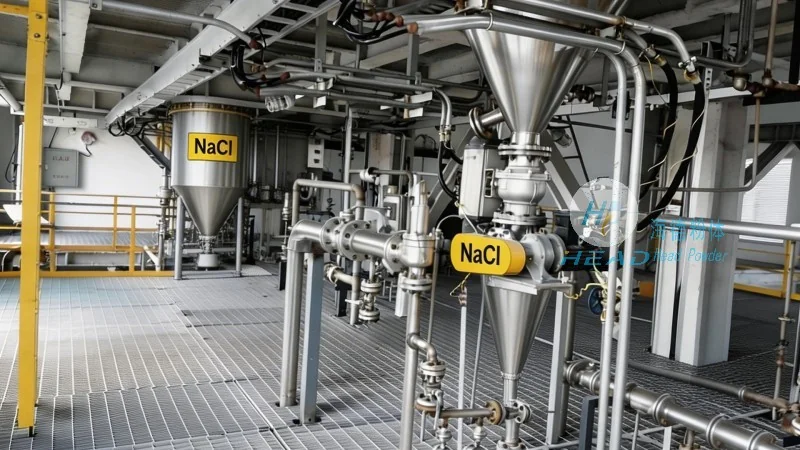
HeadPowder, a leading manufacturer in the field, is based in Shandong, China. With years of experience in engineering and material handling solutions, the company specializes in developing customized pneumatic conveying systems tailored to the unique requirements of white earth processing. The company's facilities and expertise reflect a commitment to quality and innovation, making it a trusted partner for industries relying on efficient white earth transportation.
Working Principle of White Earth Pneumatic Conveying
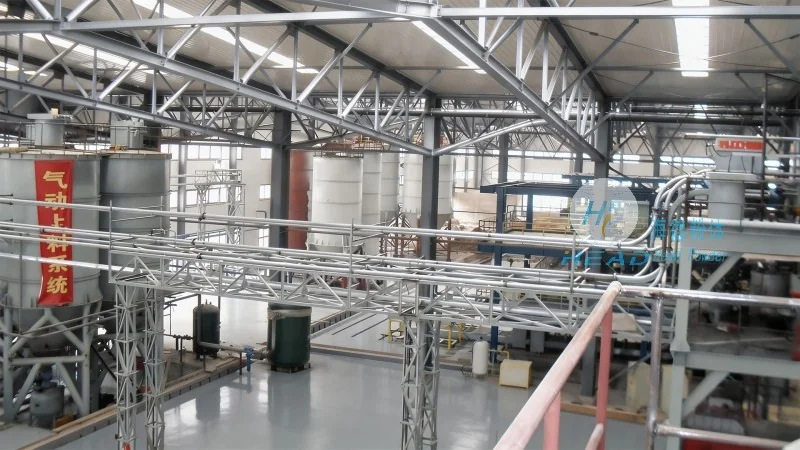
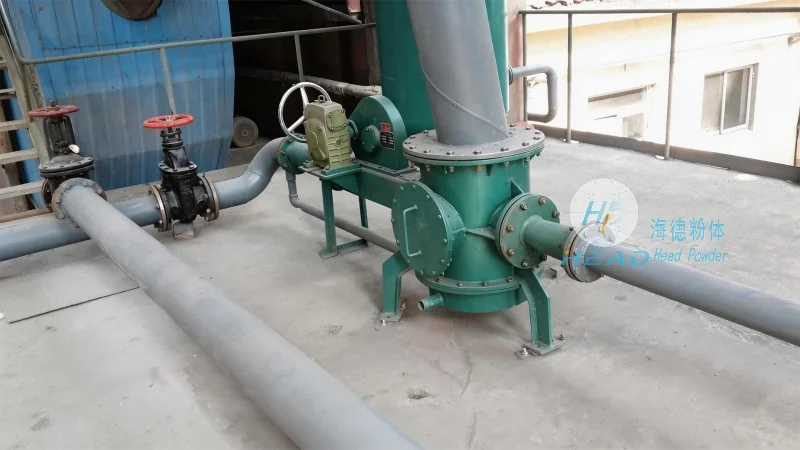
The core of white earth pneumatic conveying lies in the interaction between air flow and white earth particles. In a typical system, air is introduced into a hopper containing white earth, creating a flow that lifts and transports the particles through a network of pipes. There are two primary types of systems: positive pressure and negative pressure. Positive pressure systems use blowers to force air and material through the pipeline, while negative pressure systems use vacuum pumps to draw material into the system. For white earth, which often consists of fine to medium-sized particles with specific density and moisture content, the choice of system depends on factors like pipeline length, elevation changes, and the need for dust control. The system's design ensures that air velocity is maintained above the minimum required to prevent particle settling, while minimizing air consumption and energy costs. White earth particles, being relatively light and sometimes prone to agglomeration, require careful consideration of air flow rates and pipe diameter to achieve optimal conveying efficiency. The process involves several key components: a hopper for material storage, a feeder to control the flow rate, a blower or vacuum pump for air supply, and a pipeline network connecting the source to the destination. The hopper may include a rotary valve or gate valve to regulate material discharge, ensuring a consistent feed rate. The feeder, often a screw or rotary valve, prevents material from blocking the air inlet and maintains a steady flow. The blower or vacuum pump provides the necessary pressure or suction to move the white earth through the pipes. The pipeline network is typically made of stainless steel or other corrosion-resistant materials to handle the potential moisture and chemical properties of white earth. The system may also include filters and cyclones to separate air from the material at the destination, allowing for the recovery of white earth and the release of clean air. This separation process is crucial for maintaining the purity of the material and complying with environmental regulations.
Key Characteristics of White Earth Pneumatic Conveying Systems
White earth pneumatic conveying systems offer several advantages that make them ideal for industrial applications. First, they provide a high level of flexibility in material handling. The system can be easily reconfigured or expanded to accommodate changes in production volume or process requirements. This adaptability is particularly valuable in industries where white earth usage fluctuates or where new processing lines are added. Second, the systems are highly efficient in terms of energy consumption and material transport. By using air as the primary transport medium, the system minimizes the need for mechanical parts that can wear out or require frequent maintenance. This leads to lower operational costs and longer system lifespans. Third, pneumatic conveying is effective in maintaining the quality and purity of white earth. The enclosed pipeline system prevents contamination from external sources, such as dust or moisture, and reduces the risk of material degradation during transport. This is critical for white earth used in applications where purity is essential, such as in paper manufacturing or food processing. Fourth, the systems offer excellent dust control. Unlike open conveyors, the enclosed pipeline prevents dust from escaping into the environment, improving workplace safety and compliance with environmental standards. The use of filters and cyclones at the receiving end further enhances dust control, ensuring that the air released is clean and safe. Fifth, maintenance requirements are relatively low compared to traditional mechanical conveyors. The absence of moving parts like belts or buckets reduces the risk of mechanical failure and simplifies maintenance procedures. Regular checks on the blower, feeder, and pipeline are typically sufficient to keep the system running smoothly. However, the system does require periodic cleaning of filters and cyclones to prevent clogging and maintain performance. Sixth, the systems are suitable for long-distance and high-elevation transport. By adjusting the air pressure or vacuum level, the system can transport white earth over significant distances and through vertical or inclined pipelines without compromising efficiency. This capability is advantageous for large-scale industrial facilities where material needs to be moved from storage areas to processing units located at different levels or in different parts of the plant.
Applications and Benefits in Industrial Settings
White earth pneumatic conveying systems are widely used in various industries due to their versatility and efficiency. In the paper industry, white earth is used as a filler or coating material, and pneumatic conveying ensures that it is delivered to the paper machine without contamination or loss. The system's ability to maintain particle size and distribution is crucial for achieving the desired paper quality. In the chemical industry, white earth may be used as a raw material in the production of chemicals or as a filter aid. The enclosed system prevents chemical reactions or contamination, ensuring the purity of the final product. In the food processing industry, white earth is sometimes used as a food additive or as a component in food packaging materials. The systems' dust control and hygiene features make them suitable for handling food-grade white earth, ensuring compliance with food safety regulations. The benefits of using white earth pneumatic conveying extend beyond material handling efficiency. The systems contribute to improved workplace safety by reducing the need for manual handling of white earth, which can be dusty and potentially hazardous. They also help in reducing environmental impact by minimizing dust emissions and preventing material loss during transport. For companies like Shandong HeadPowder Engineering Co., Ltd., the development of such systems reflects a commitment to providing sustainable and efficient solutions for white earth processing. By leveraging advanced engineering and material handling technologies, the company helps its clients optimize their production processes, reduce costs, and enhance product quality.
Conclusion
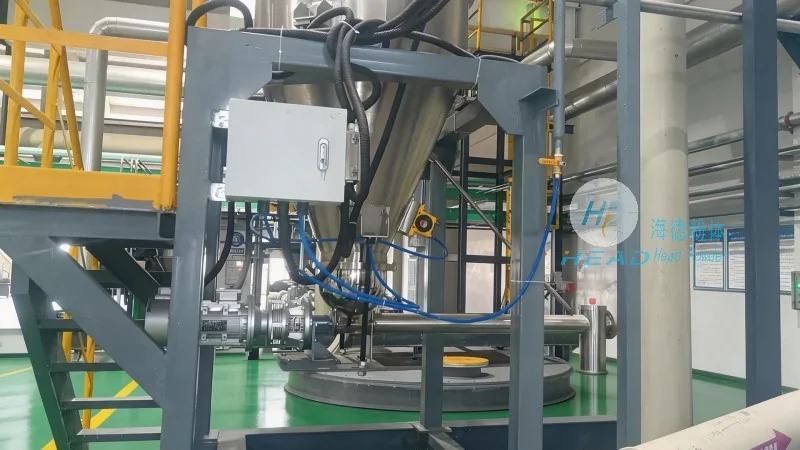
White earth pneumatic conveying is a sophisticated and efficient method for transporting white earth in industrial settings. The system's working principle, based on air flow and particle interaction, allows for the reliable and clean movement of white earth through pipelines. The key characteristics of these systems, including flexibility, efficiency, and dust control, make them a preferred choice over traditional mechanical conveyors. Companies like HeadPowder, with their expertise and customized solutions, play a vital role in enabling industries to handle white earth effectively and sustainably. As industries continue to demand higher efficiency and environmental compliance, the importance of pneumatic conveying systems for white earth processing is likely to grow, driving further innovation and development in the field.