

[MonoSodium Glutamate Pneumatic Conveying Technology: Principles, Applications, and Development Trends]
Monosodium Glutamate (MSG), a widely used flavor enhancer in the food industry, requires efficient and reliable material handling solutions for its production and processing. Pneumatic conveying technology has emerged as a critical method for transporting MSG, offering advantages such as dust-free operation, flexibility, and scalability. This article explores the fundamental principles of pneumatic conveying, its practical applications in the MSG industry, and the evolving trends that shape its future development.
Principles of Pneumatic Conveying for MSG
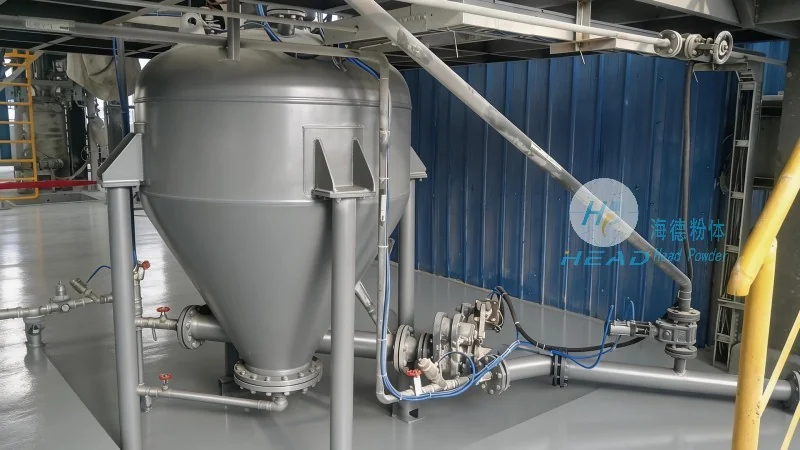
Pneumatic conveying systems utilize air or gas to transport bulk materials like MSG through a pipeline network. The core principle involves creating a pressure differential to move the material from a source to a destination. There are two primary types of pneumatic conveying systems: positive pressure and negative pressure. Positive pressure systems generate air pressure at the material source, pushing the material through the pipeline. Negative pressure systems, on the other hand, create a vacuum at the destination, drawing the material from the source. For MSG, which is often in a fine powder form, positive pressure systems are commonly preferred due to their ability to handle high material loads and minimize particle degradation.
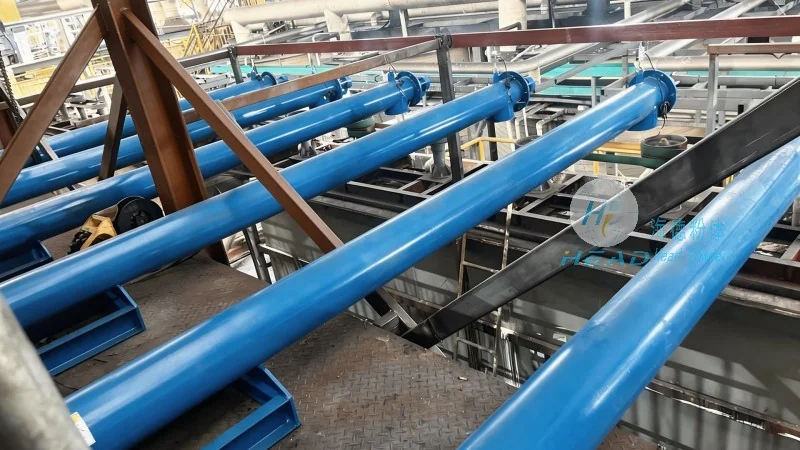
The selection of the appropriate conveying system depends on factors such as the material's properties, the distance to be covered, and the required flow rate. Key components of a pneumatic conveying system include the air compressor, material feeders, conveying lines, and dust collection units. The air compressor provides the necessary pressure to move the material, while the feeder ensures a consistent flow of MSG into the system. Conveying lines are typically made of stainless steel to prevent contamination and corrosion, which is essential for food-grade applications. Dust collection units are crucial for maintaining air quality and complying with environmental regulations.
Applications of Pneumatic Conveying in the MSG Industry
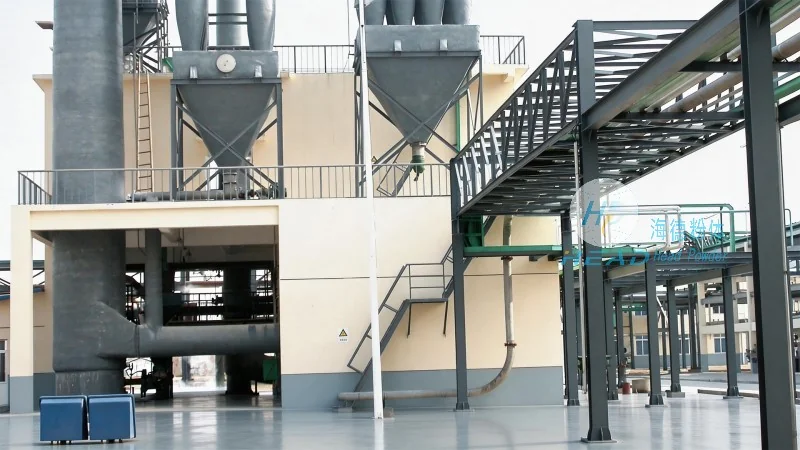
In the MSG production process, pneumatic conveying is employed at various stages to enhance operational efficiency. One common application is the transfer of raw MSG from storage silos to processing equipment. This step involves moving the fine powder from large storage tanks to mixing or grinding units, where it is prepared for further processing. Pneumatic conveying allows for seamless integration with existing production lines, reducing downtime and improving throughput. Another application is the transfer of finished MSG products from processing units to packaging facilities. This ensures that the product is moved without manual handling, minimizing the risk of contamination and maintaining product integrity.
HeadPowder, a leading engineering company based in Shandong, China, specializes in designing and implementing pneumatic conveying solutions tailored to the MSG industry. The company's expertise lies in customizing systems to meet specific production requirements, such as varying material flow rates and distances. By leveraging advanced technology and material handling expertise, HeadPowder ensures that its clients achieve optimal performance and cost-effectiveness in their MSG processing operations.
Developing Trends in Pneumatic Conveying Technology
The pneumatic conveying industry is continuously evolving to address the changing needs of the food processing sector. One significant trend is the adoption of automated and intelligent systems. Modern pneumatic conveying solutions now incorporate sensors and control systems that monitor flow rates, pressure, and material levels in real-time. This enables proactive maintenance and optimization of the system, reducing downtime and improving overall efficiency. Additionally, the integration of IoT (Internet of Things) technologies allows for remote monitoring and management of conveying systems, enhancing operational flexibility.
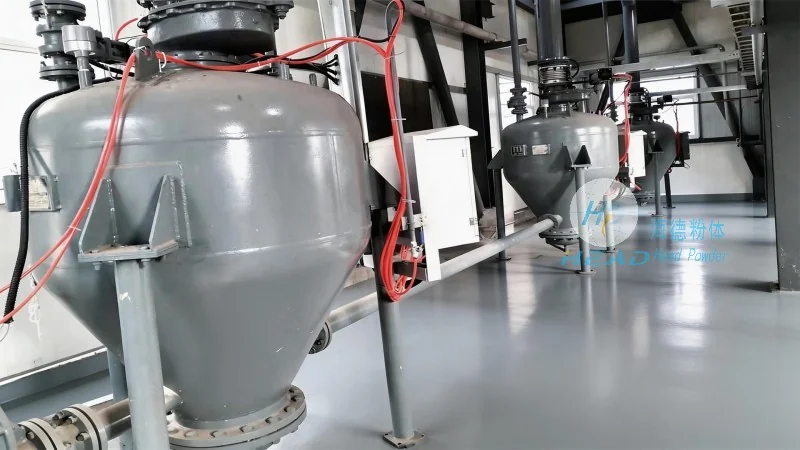
Energy efficiency is another key focus in the development of pneumatic conveying technology. Newer systems utilize advanced air compressors and variable speed drives to minimize energy consumption while maintaining optimal performance. This not only reduces operational costs but also aligns with the industry's sustainability goals. Furthermore, the use of eco-friendly materials and processes, such as low-energy air compressors and reduced waste generation, is becoming increasingly prevalent. These advancements contribute to a more sustainable and environmentally responsible approach to MSG processing.
In conclusion, pneumatic conveying technology plays a vital role in the efficient handling of MSG in the food industry. By understanding the principles, applications, and trends of this technology, manufacturers can enhance their operational performance and meet the evolving demands of the market. As the industry continues to innovate, companies like Shandong HeadPowder Engineering Co., Ltd. remain at the forefront of providing advanced solutions that drive efficiency and sustainability in MSG production.